
LCD Screen Sizes and Aspect Ratios Explained for Modern Displays
In today’s rapidly evolving digital landscape, LCD screens have become the backbone of consumer electronics, from portable devices to large-format monitors and commercial displays. One of the most critical specifications when selecting an LCD screen is its display ratio—typically 16:9—which ensures compatibility with widescreen content like HD video, gaming, and productivity software. This aspect ratio has become the global standard due to its optimal balance between horizontal space and vertical clarity, making it ideal for multimedia consumption and multitasking environments.
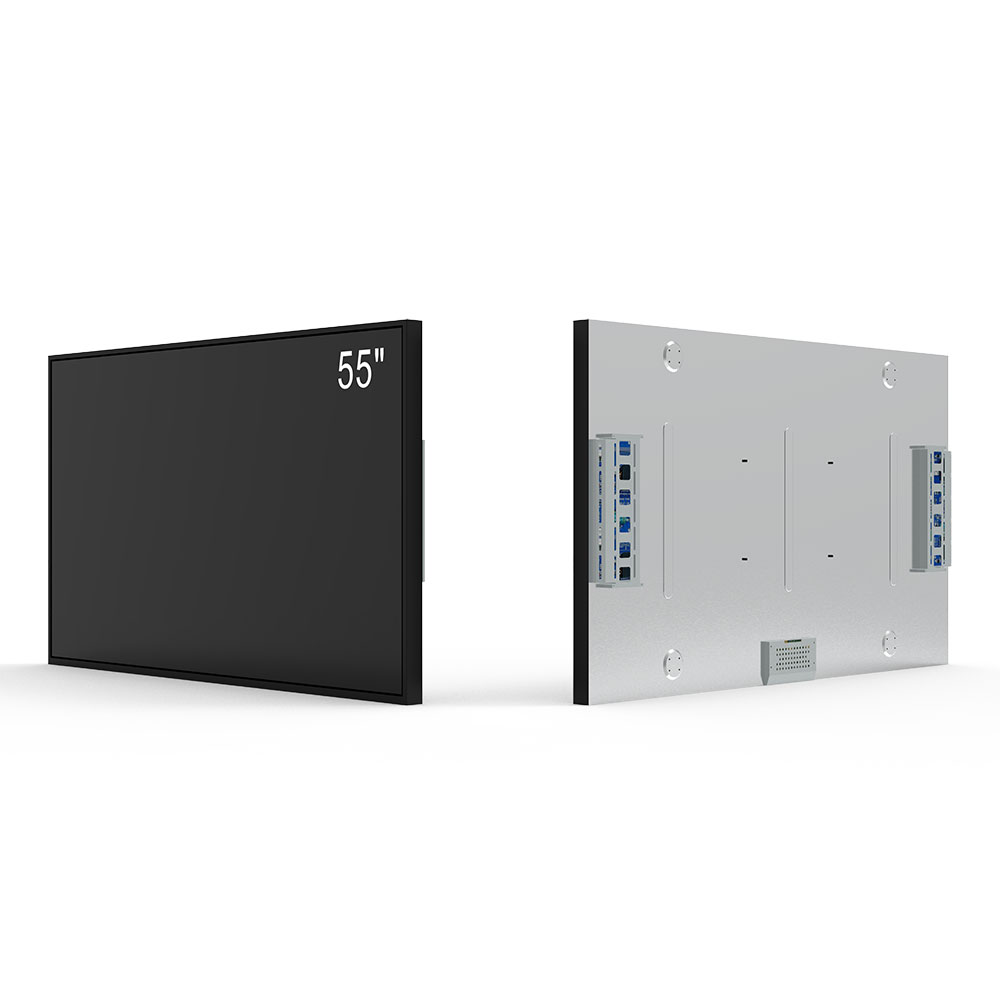
Common LCD screen sizes that adhere to this 16:9 ratio include 10.1 inches (often found in tablets), 13.3 inches (popular in ultrabooks), 15.6 inches (standard for laptops), 18.5 inches (budget desktop monitors), 21.5 inches (entry-level office monitors), 23.8 inches (mid-range professional monitors), 27 inches (4K Ultra HD displays), 32 inches (home theater and gaming), 43 inches (smart TVs), 46 inches (home entertainment), 49 inches (curved gaming monitors), 55 inches (living room TVs), 65 inches (large home theater setups), 75 inches (commercial displays), 86 inches (digital signage), 98 inches (cinema-style projection), and 110 inches (industrial and institutional installations). Each size offers a unique blend of resolution, viewing distance, and application suitability. For instance, 27-inch 16:9 panels are widely used in graphic design and video editing thanks to their high pixel density and color accuracy. Meanwhile, 55-inch and larger screens dominate the living room market where immersive viewing experiences are prioritized.
Manufacturers such as LG, Samsung, Dell, and ASUS have standardized on 16:9 across their product lines to ensure cross-platform consistency in content delivery. Additionally, this ratio aligns with international standards like ITU-R BT.709 and HDMI 1.4+, which mandate 16:9 for broadcast and streaming media. From a manufacturing perspective, the 16:9 format allows efficient use of panel materials, reducing waste during production and lowering costs per unit. For end users, choosing a 16:9 LCD ensures seamless integration with modern operating systems like Windows 10/11, macOS, and Android TV. Whether you're setting up a dual-monitor workstation, installing a digital billboard, or buying a new TV, understanding the relationship between display size and 16:9 aspect ratio empowers smarter decisions based on real-world usage scenarios.
上一篇:Outdoor Open Frame LCD Screen Manufacturing and Applications in Harsh Environments
下一篇:Industrial-Grade LCD Displays from RisingStar Enhance Outdoor Visibility and Efficiency