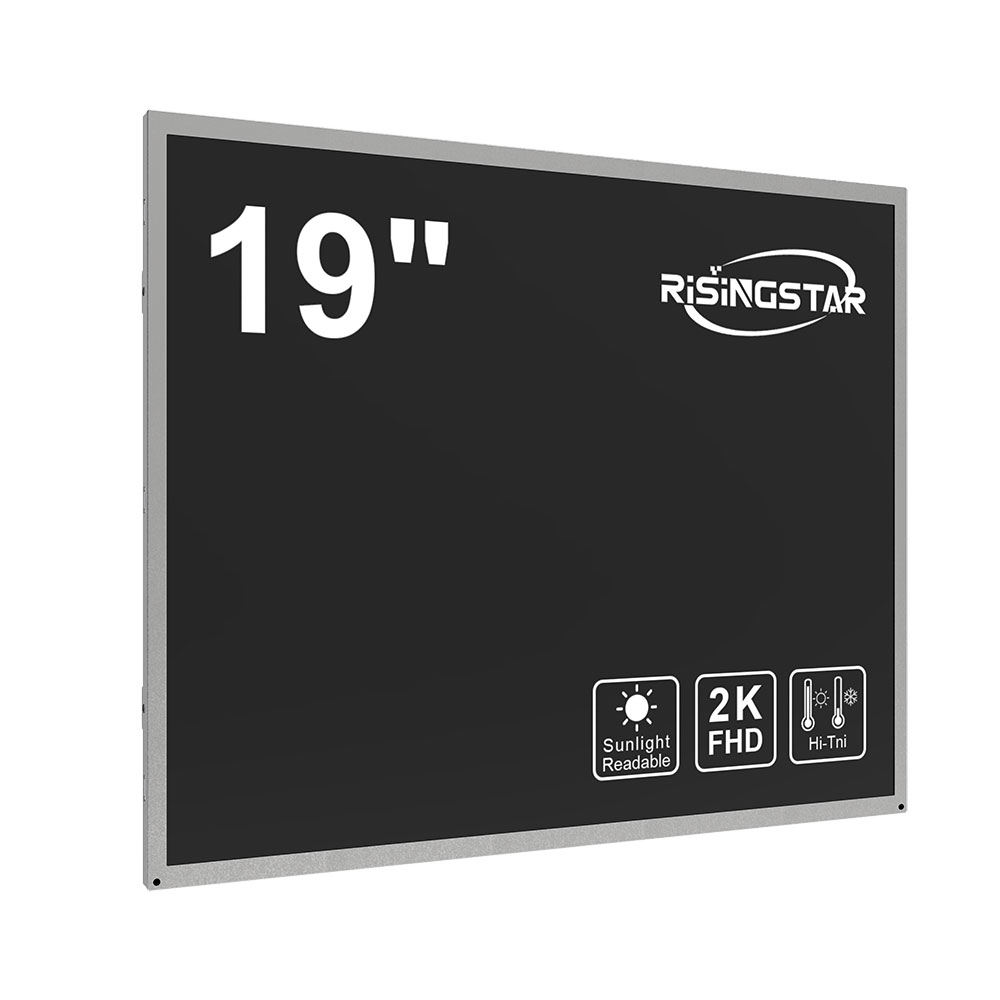
LCD (Liquid Crystal Display) technology continues to be a cornerstone of modern visual interfaces, powering everything from smartphones and laptops to automotive dashboards and industrial control panels. Despite the rise of OLED and micro-LED displays, LCD remains dominant due to its cost-effectiveness, energy efficiency, and mature manufacturing ecosystem.
One of the most practical applications of LCDs is in the medical field—where high-resolution, low-power screens are essential for portable diagnostic devices like ultrasound machines and patient monitors. In automotive design, LCDs offer superior visibility under varying lighting conditions, especially when integrated with adaptive brightness and anti-glare coatings. Additionally, LCDs are widely used in digital signage for retail, public transport, and smart city infrastructure due to their durability and ability to display dynamic content continuously.
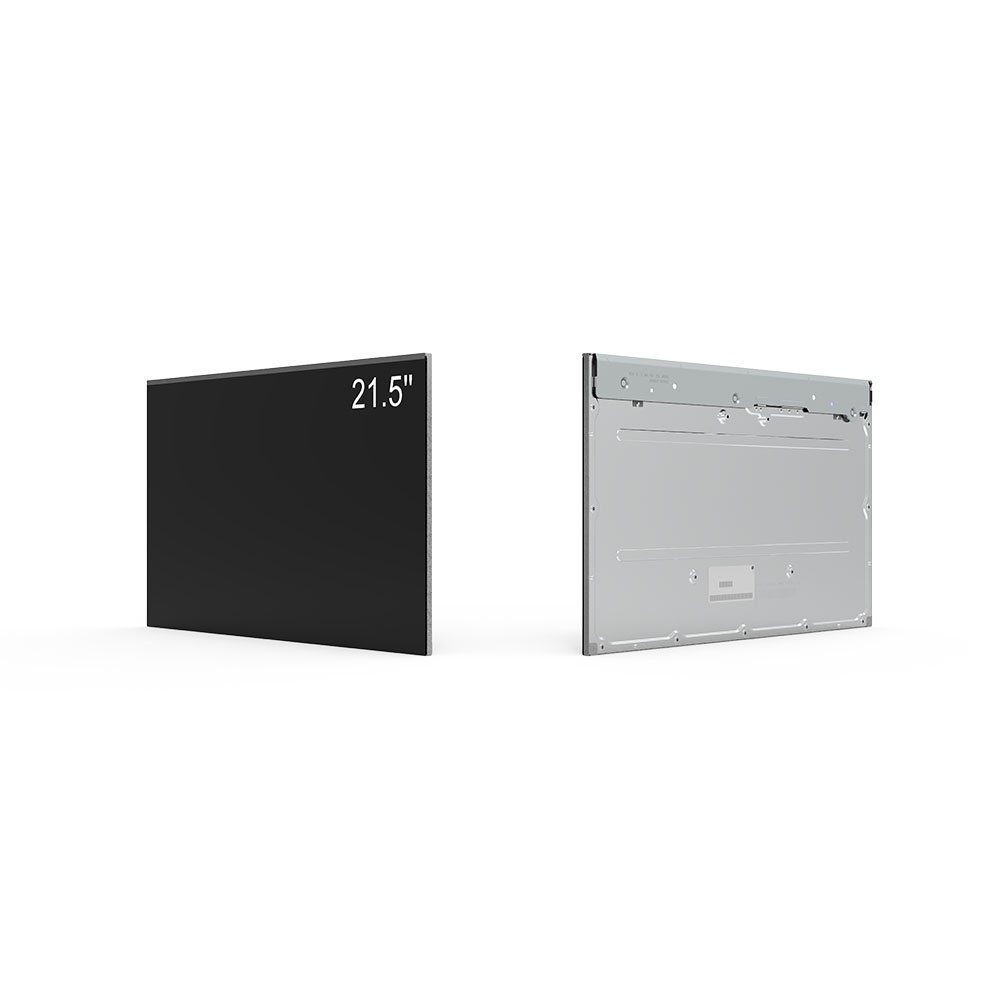
The advantages of LCDs are clear: they consume less power than older CRT displays, offer excellent color consistency across large panels, and can be manufactured at scale with consistent quality. Recent advancements include IPS (In-Plane Switching) and VA (Vertical Alignment) technologies that enhance viewing angles and contrast ratios, making them ideal for professional-grade monitors and gaming displays. Furthermore, manufacturers like LG Display, BOE, and AU Optronics have optimized production lines to reduce environmental impact—aligning with global sustainability standards such as ISO 14001.
However, common problems persist. One issue is backlight bleed, where uneven light distribution creates bright spots on dark backgrounds—a challenge particularly noticeable in budget models. Another is response time lag, which affects motion clarity in fast-paced video content or competitive gaming. To address this, companies now incorporate overdrive techniques and faster switching materials like TN (Twisted Nematic) with enhanced pixel response times.
The latest trend in LCD innovation focuses on miniaturization and flexibility. For example, Samsung’s “Ultra Thin” LCD modules enable thinner smartphone designs without sacrificing screen performance. Meanwhile, flexible LCDs developed by Sharp and JDI are being tested in foldable devices and wearable tech, pushing the boundaries of form factor. Industry reports from IHS Markit and Display Supply Chain Consultants (DSCC) confirm that LCD will remain the top display choice for mid-range devices through 2027, driven by cost-efficiency and ongoing R&D investment.
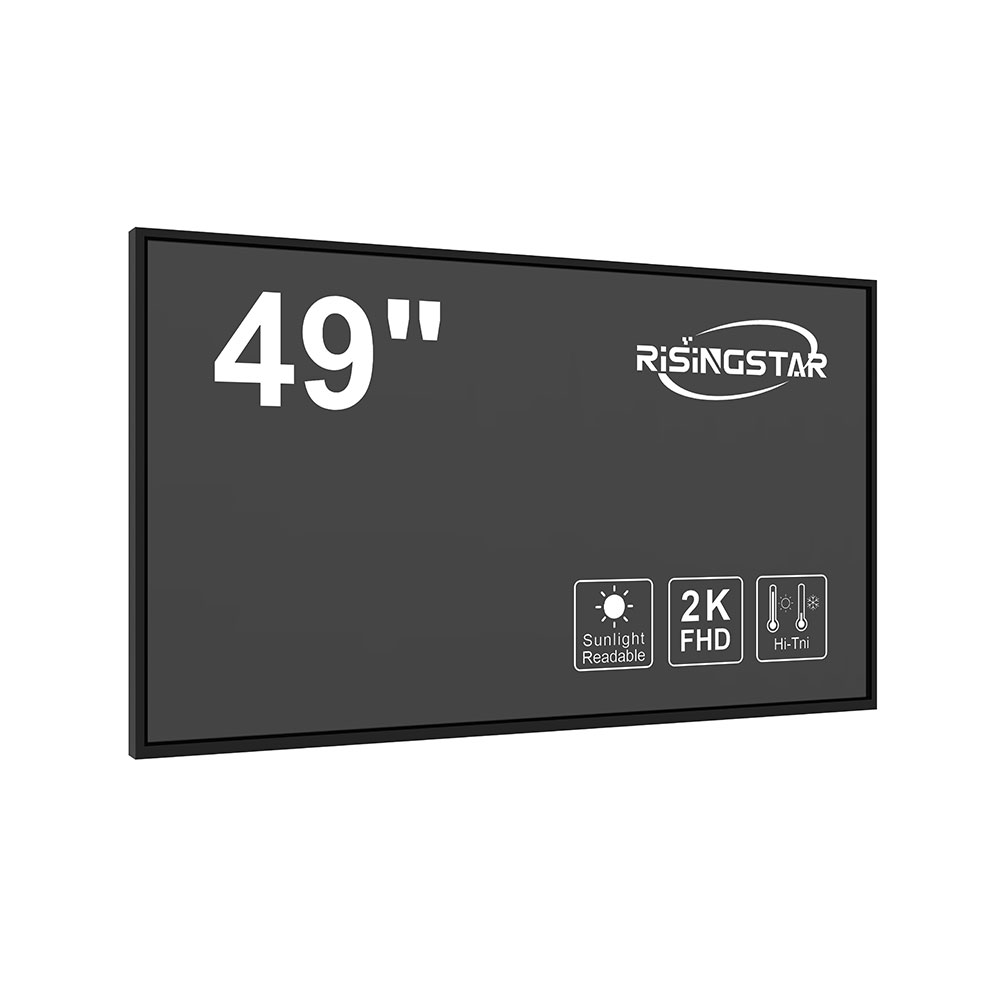
These developments prove that LCD technology is not outdated—it's evolving. Whether in healthcare, transportation, or consumer electronics, LCDs continue to deliver reliable, scalable solutions that meet real-world demands while advancing sustainability and user experience.