In today’s increasingly connected world, the demand for reliable and durable display solutions has surged—especially in industrial automation, outdoor signage, and automotive environments. One of the most critical performance indicators for such displays is their protection against environmental elements, particularly water ingress. This is where IP66-rated waterproof LCD displays shine.
The IP (Ingress Protection) rating system, defined by IEC 60529, provides a standardized way to classify the degree of protection offered by electrical enclosures. An IP66 rating means the device is completely dust-tight (6) and protected against powerful water jets from any direction (6). For LCD manufacturers and end-users alike, this level of protection ensures long-term operational reliability even under harsh conditions such as rain, high humidity, or accidental splashing.
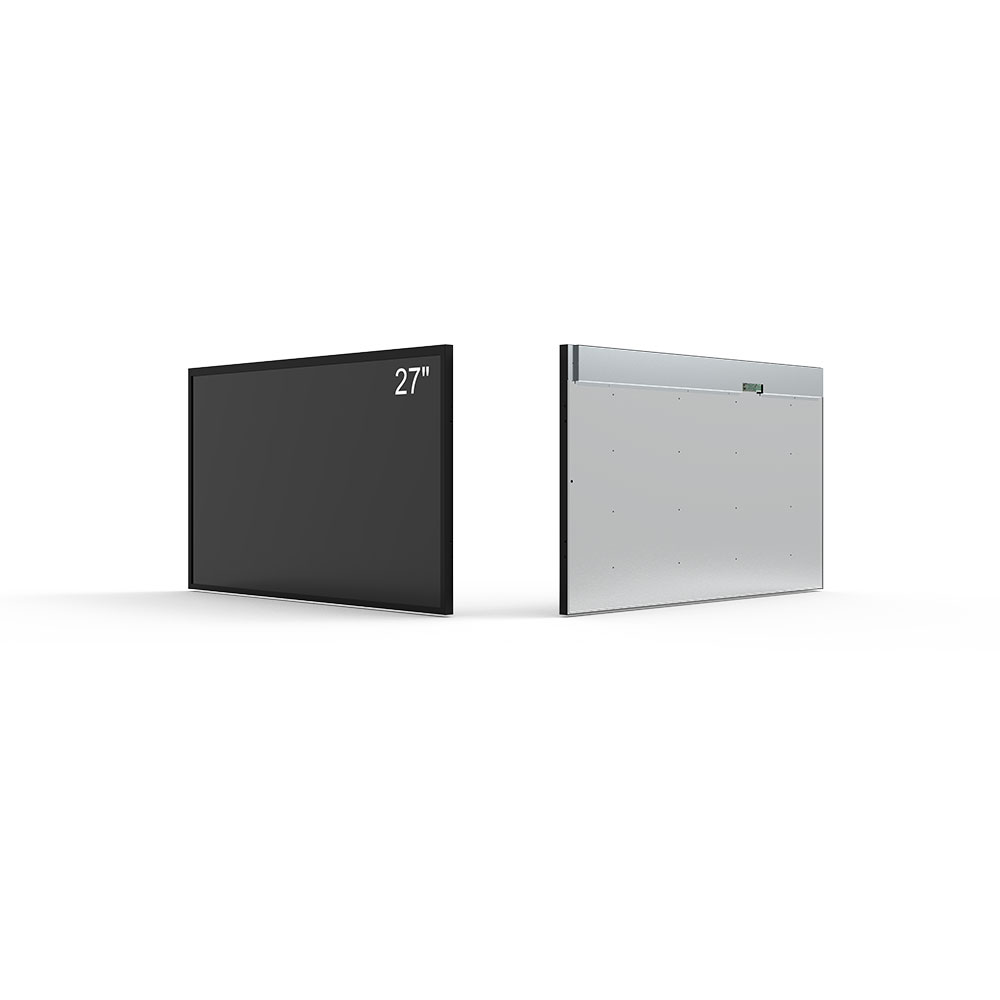
Industrial-grade LCDs with IP66 certification are commonly used in manufacturing control panels, vending machines, kiosks, and transportation systems like buses and trains. These environments often expose screens to moisture, temperature fluctuations, and mechanical stress—conditions that would quickly degrade non-protected displays. With IP66 compliance, manufacturers can confidently deploy LCDs in settings where maintenance access is limited or where downtime could be costly.
Moreover, IP66 waterproofing is achieved not only through robust enclosure design but also through advanced sealing techniques, such as silicone gaskets, potting compounds, and edge-sealed glass. The use of optically bonded displays further enhances durability while improving visibility under direct sunlight—a crucial feature for outdoor applications.
From a technical standpoint, IP66-rated LCDs must pass rigorous testing procedures outlined in IEC 60529. These include dust chamber tests and water jet tests using a nozzle delivering 12.5 liters per minute at a pressure of 100 kPa for at least 3 minutes from all angles. Only after successfully passing these tests can a product earn the official IP66 label.
Leading manufacturers like Sharp, LG, and BOE have integrated IP66-rated LCD modules into their industrial product lines, often pairing them with ruggedized touch controllers and wide operating temperature ranges (-20°C to +70°C). These features make them ideal for deployment in extreme climates—from Arctic logistics hubs to desert-based solar farms.
For customers evaluating LCD solutions, choosing an IP66-rated display isn’t just about meeting safety standards—it’s about ensuring uptime, reducing repair costs, and future-proofing investments. Whether it’s a medical device in a humid environment or a digital signage unit in a coastal city, IP66 protection delivers peace of mind and operational resilience.