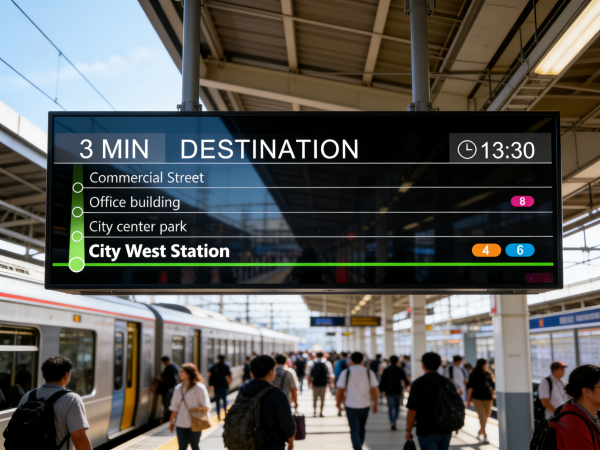
When selecting an LCD panel for industrial applications—such as factory automation, medical equipment, or outdoor kiosks—it's essential to prioritize performance, durability, and environmental resilience over consumer-grade features. Unlike standard displays used in smartphones or TVs, industrial LCDs must operate reliably under extreme temperatures, high humidity, vibration, and prolonged usage cycles. According to a 2023 report by MarketsandMarkets, the global industrial LCD market is projected to grow at a CAGR of 6.2% through 2028, driven by increasing demand in smart manufacturing and IoT-enabled devices.
Key factors to consider include brightness levels (minimum 1000 nits for outdoor visibility), wide viewing angles (preferably 178° horizontal and vertical), and ruggedized housing with IP65 or higher protection against dust and water ingress. For instance, LG Display’s LTPS (Low-Temperature Poly-Silicon) panels are widely adopted in industrial settings due to their superior response time (less than 1ms) and high contrast ratios (>1000:1). Similarly, Sharp’s IGZO technology offers power efficiency and stable image quality over long-term use—a critical feature for embedded systems like POS terminals or control panels.
Temperature tolerance is another crucial parameter. Industrial-grade panels typically support operating ranges from -30°C to +70°C, while consumer-grade units usually only handle 0°C to 50°C. Testing standards such as IEC 60068-2-1 (cold test) and IEC 60068-2-30 (humidity testing) should be referenced during procurement to ensure compliance. Additionally, longevity matters—industrial panels often have MTBF (Mean Time Between Failures) ratings exceeding 50,000 hours, significantly longer than typical consumer panels.
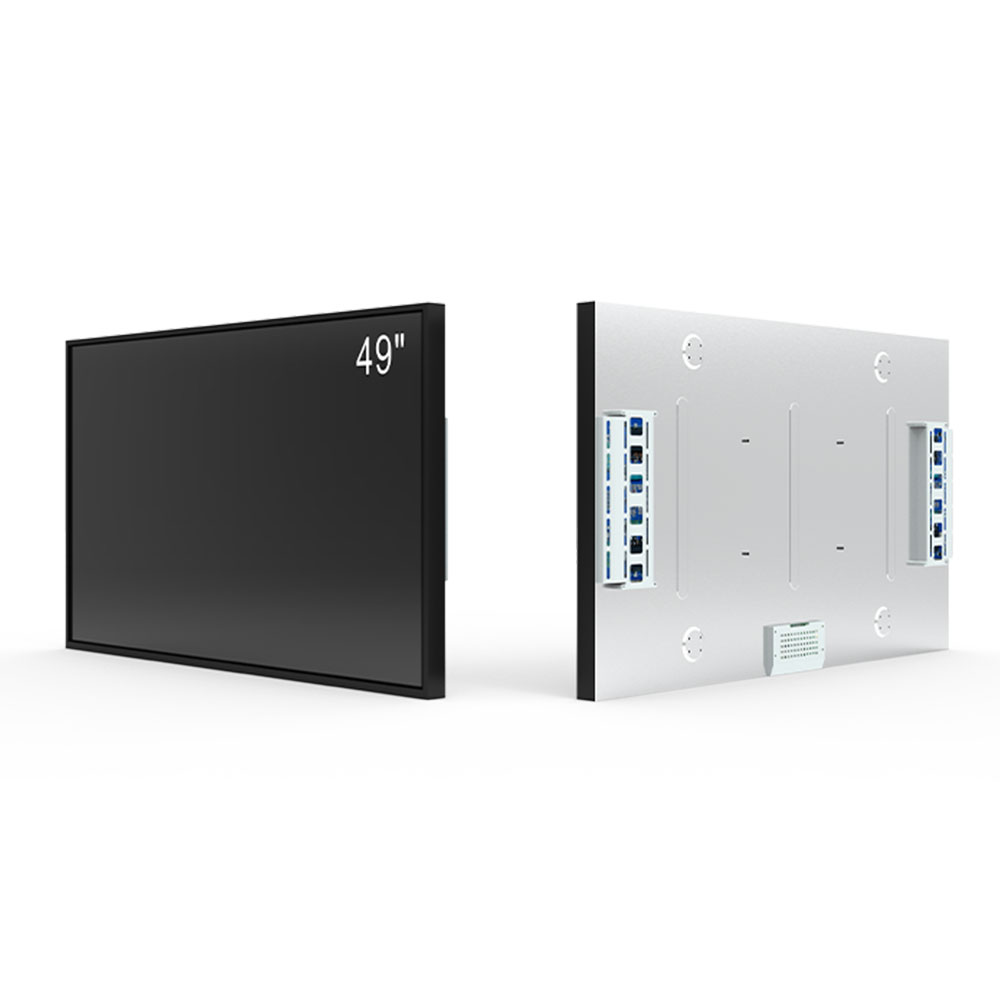
Finally, compatibility with existing hardware and software ecosystems should not be overlooked. VESA mount options, LVDS/MIPI interface support, and integration with real-time operating systems (RTOS) are common requirements. Leading manufacturers like Innolux and AU Optronics now offer customizable solutions tailored to specific verticals—including automotive dashboards, aviation HUDs, and military-grade displays. Choosing the right panel involves balancing technical specs, supplier reliability, and lifecycle cost—not just initial price.