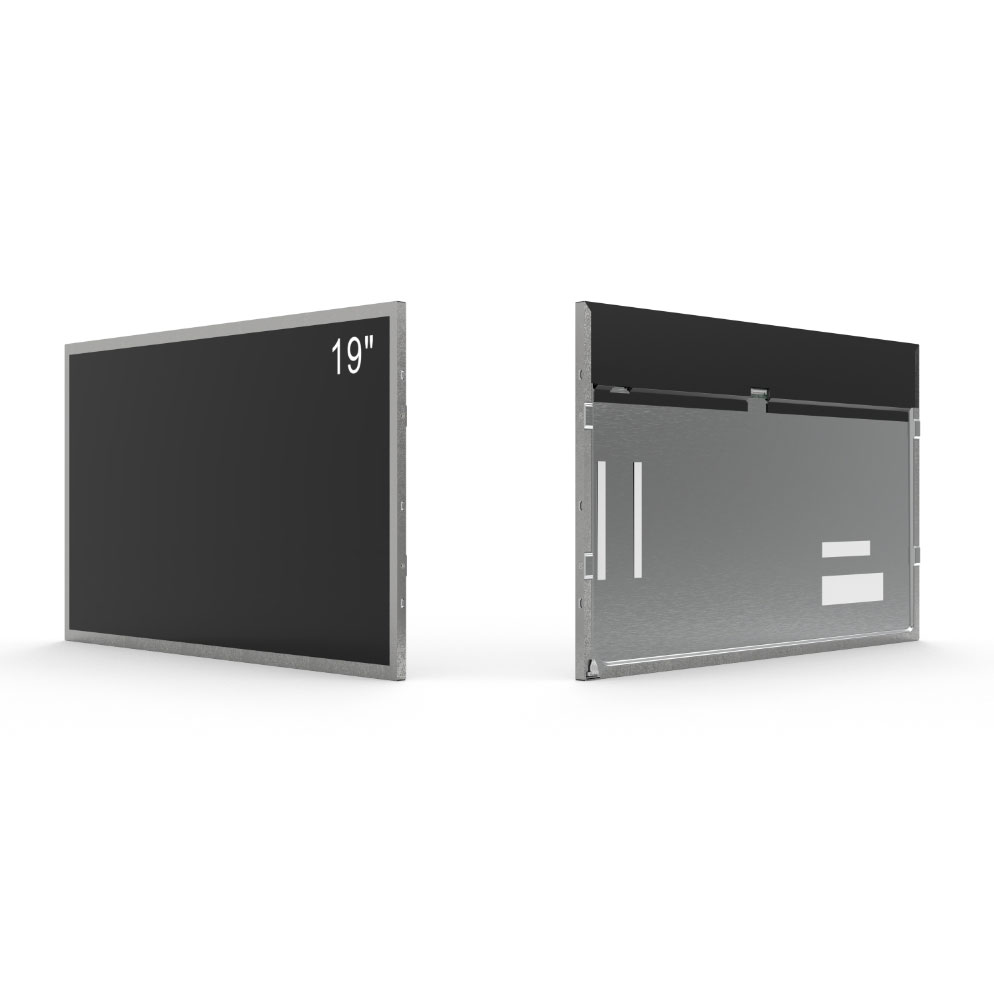
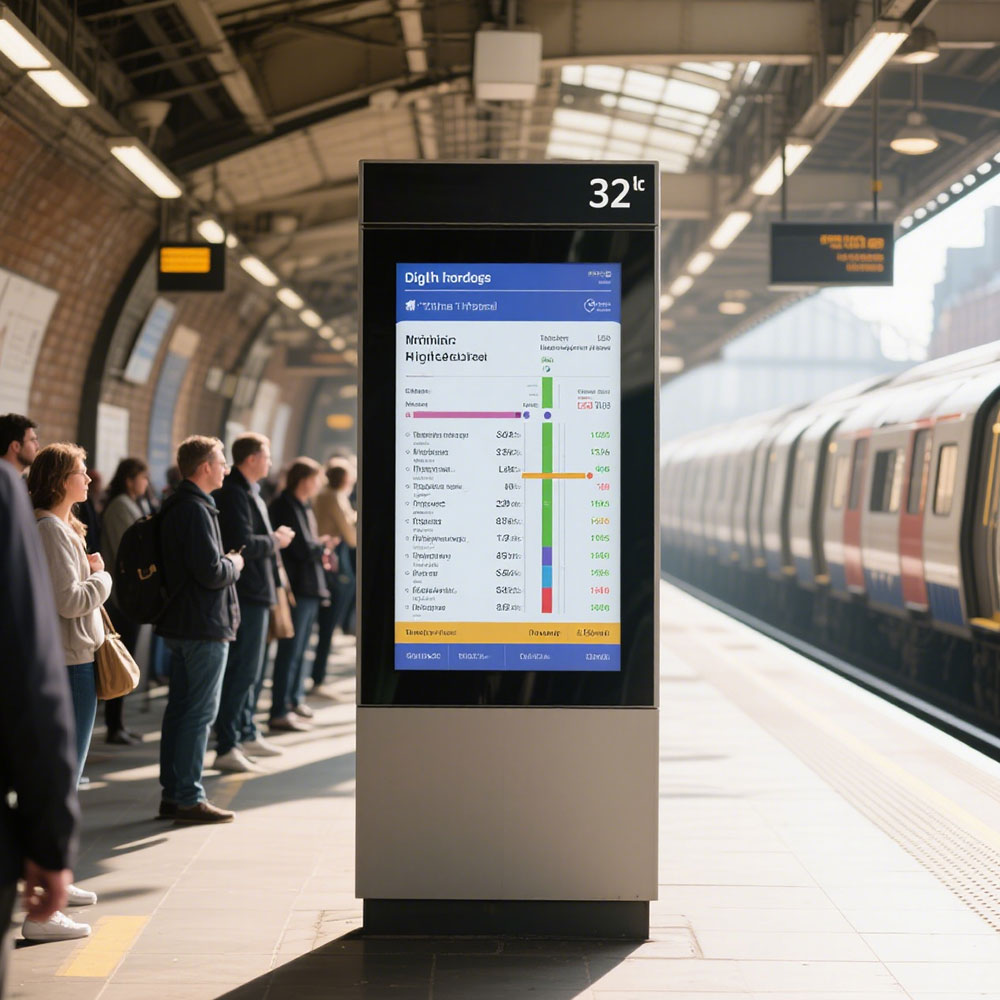
In today’s rapidly evolving display technology landscape, the strip screen series has emerged as a versatile and widely adopted solution across industrial automation, retail signage, healthcare monitoring, and digital advertising. These screens are defined by their unique form factor—narrow, elongated panels that offer high-resolution clarity in compact or custom-fit configurations. The available sizes span from 14.1 inches to an impressive 86 inches, catering to diverse use cases. For instance, the 14.1-inch and 19-inch variants are ideal for embedded systems and point-of-sale (POS) terminals due to their space-efficient design and low power consumption. In contrast, larger formats like 48.5", 58.6", and even 86" are optimized for commercial video walls, control rooms, and immersive public displays where visual impact is critical.
Manufacturers such as LG, Samsung, and Innolux have standardized on specific resolutions (typically 1080p or 4K UHD) across these sizes to ensure consistent image quality regardless of panel dimensions. Additionally, many strip screens now support edge-to-edge glass, anti-glare coatings, and wide viewing angles—features essential for environments with variable lighting conditions. Environmental durability is another key consideration; units rated IP65 or higher are common in outdoor applications like bus stop displays or factory floor monitors.
Industry adoption trends show increasing demand for modular strip screens that can be seamlessly joined to create customized widths, especially in the 28" to 43" range. This flexibility makes them perfect for digital signage networks, kiosks, and interactive wayfinding systems in airports, hospitals, and shopping malls. Recent studies from Statista and Grand View Research confirm that the global strip screen market is projected to grow at a CAGR of over 7% through 2030, driven by advancements in LED-backlit LCDs and rising investments in smart infrastructure.
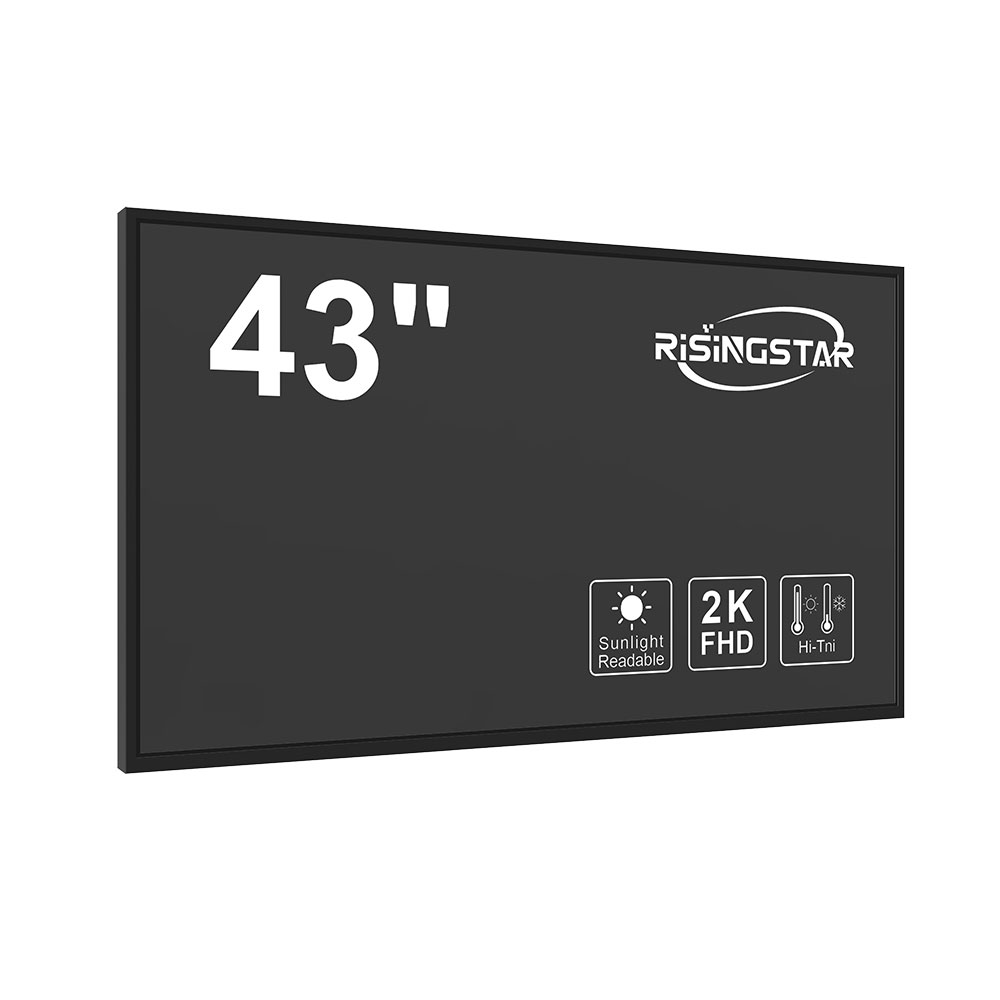
Whether you’re deploying a 29.4" unit for a medical diagnostic console or a 58.4" system in a command center, choosing the right strip screen size requires balancing resolution, brightness, environmental resilience, and integration ease. With certified certifications such as CE, RoHS, and FCC, modern strip screens meet global compliance standards while offering superior performance across sectors.