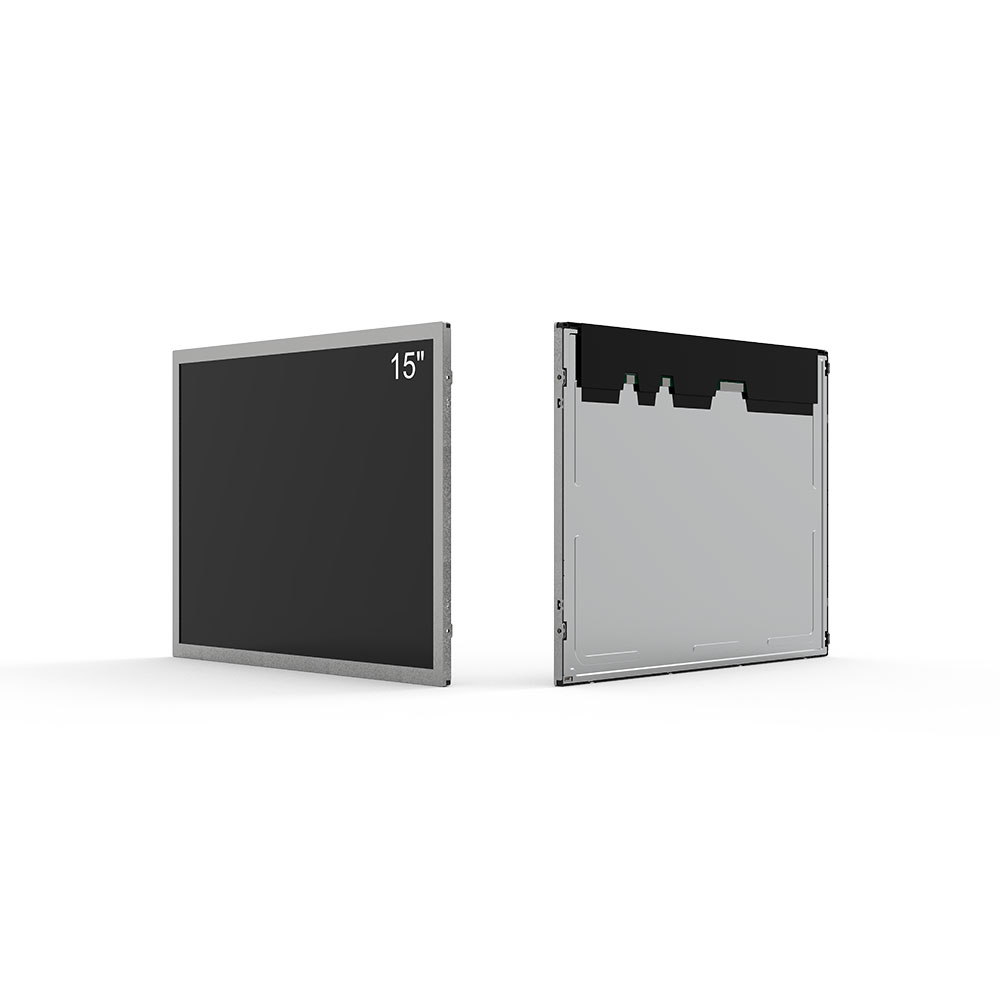
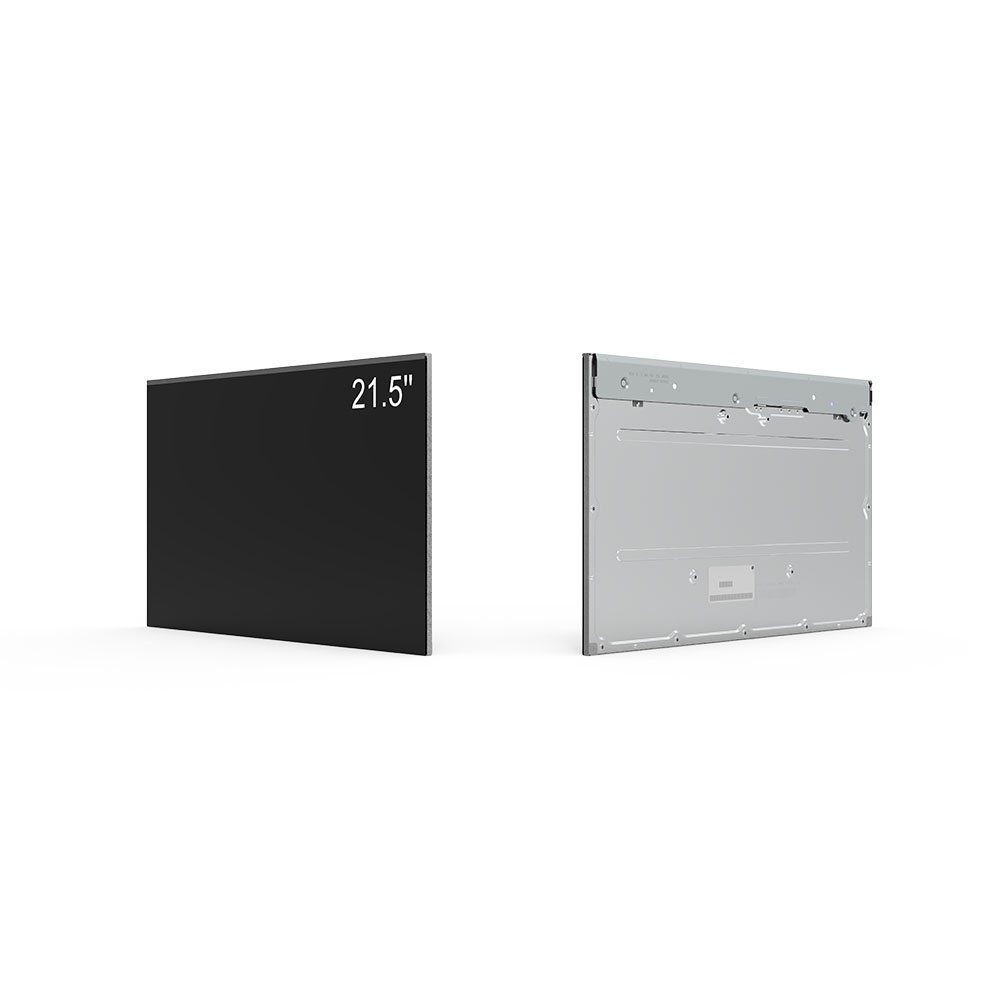
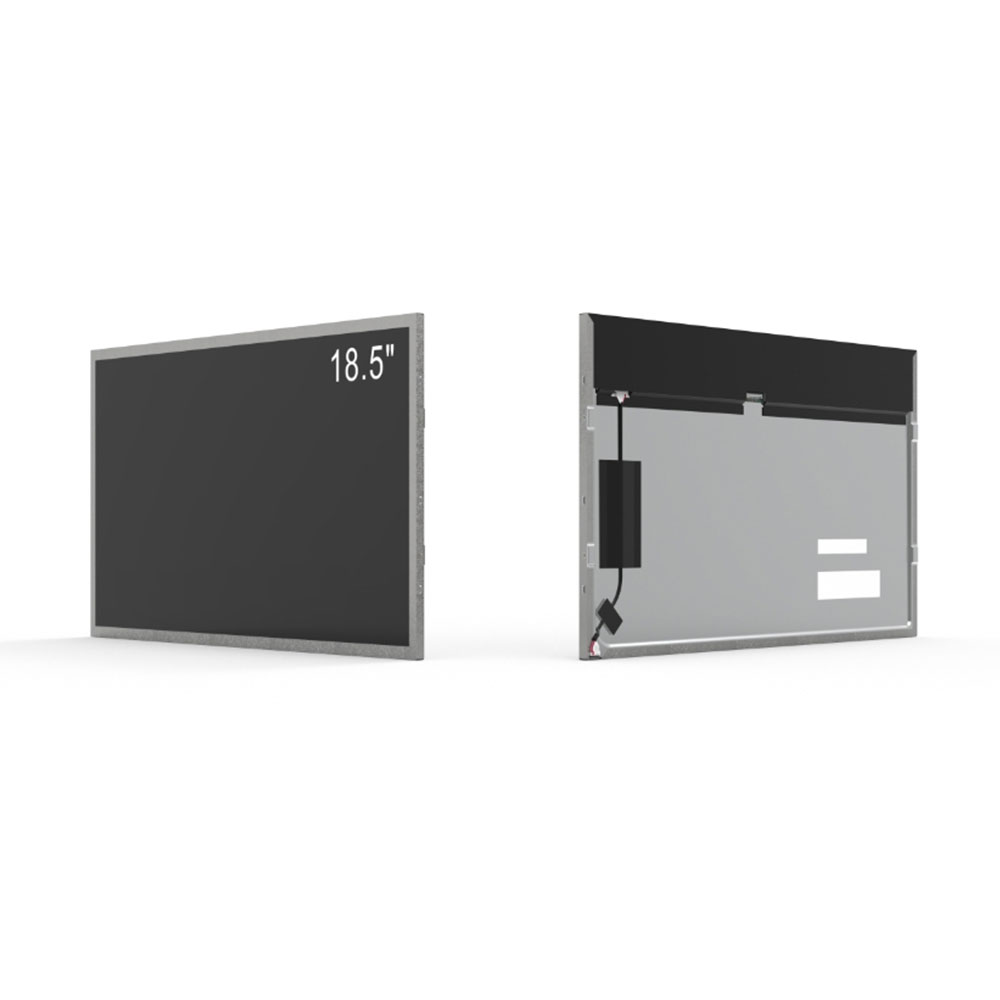
When selecting an LCD display for industrial applications, it's essential to consider not only image quality and size but also environmental resilience, longevity, and compatibility with automation systems. Industries such as manufacturing, transportation, and medical equipment rely heavily on LCDs for real-time monitoring, control interfaces, and data visualization. For instance, in factory automation, ruggedized LCD panels with wide temperature ranges (from -20°C to +70°C) are standard, ensuring stable operation in harsh environments like steel plants or cold storage facilities.
One of the major advantages of modern industrial-grade LCDs is their high brightness—often exceeding 3,000 nits—which allows clear visibility even under direct sunlight or intense indoor lighting. Additionally, features like anti-glare coatings, IP65/IP67 dust and water resistance, and shockproof designs make them suitable for mobile or outdoor use, such as in construction machinery or utility vehicles.
However, common issues include premature backlight degradation due to continuous high-brightness usage and poor contrast ratios in low-light conditions. These problems can be mitigated by choosing LED-backlit displays with local dimming technology and using dynamic contrast algorithms that adjust brightness based on content. Another frequent challenge is connectivity—many older industrial systems still use legacy interfaces like VGA or RS-232, so opting for a display with multiple input options (HDMI, LVDS, USB-C) ensures backward compatibility.
Recent trends show a growing shift toward touch-enabled industrial LCDs, especially those supporting glove-friendly capacitive touch or resistive screens for extreme environments. According to a 2023 report by MarketsandMarkets, the global industrial display market is projected to reach $18.9 billion by 2028, driven by increasing adoption of Industry 4.0 technologies. Manufacturers like LG, Sharp, and EIZO now offer smart displays with built-in edge computing capabilities, enabling real-time analytics directly on the screen—a key feature for predictive maintenance in smart factories.
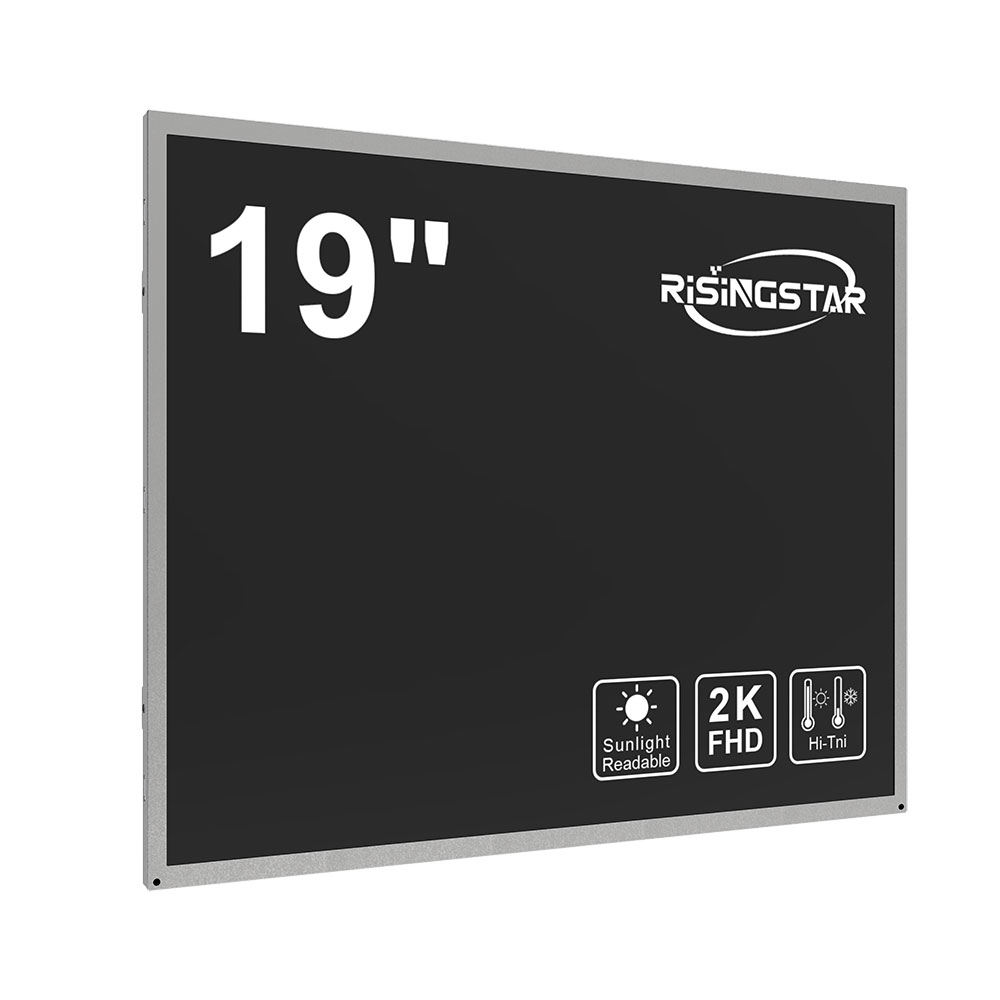
For professionals sourcing displays, verifying certifications such as CE, RoHS, and MIL-STD-810G for durability adds trust and compliance. Customer reviews from engineering teams at companies like Siemens and Bosch often highlight the importance of consistent pixel response times (<5ms) and minimal color shift across viewing angles—both critical for accurate process control.
In conclusion, selecting the right LCD for industrial use requires balancing performance, reliability, and adaptability. By focusing on real-world usage scenarios, understanding technical specifications, and staying updated on emerging trends, engineers and procurement managers can ensure optimal investment in display solutions that support long-term operational efficiency.