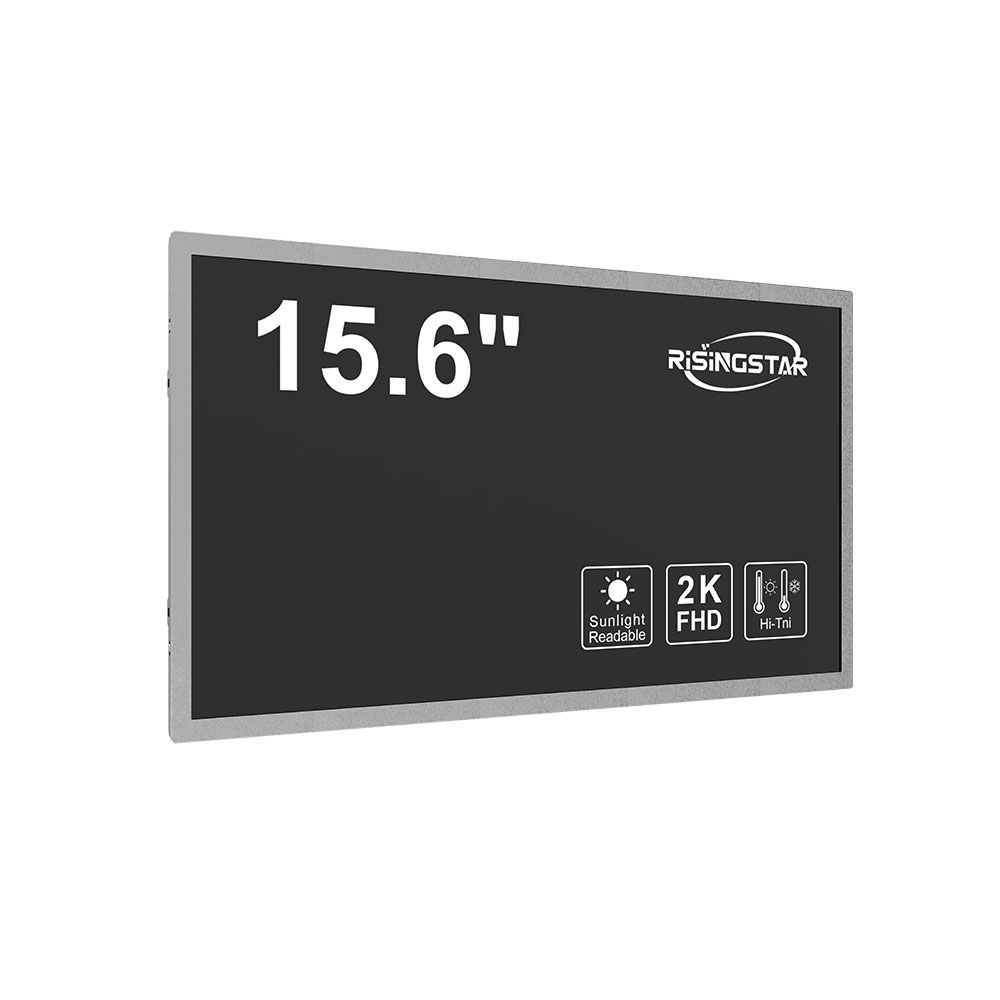
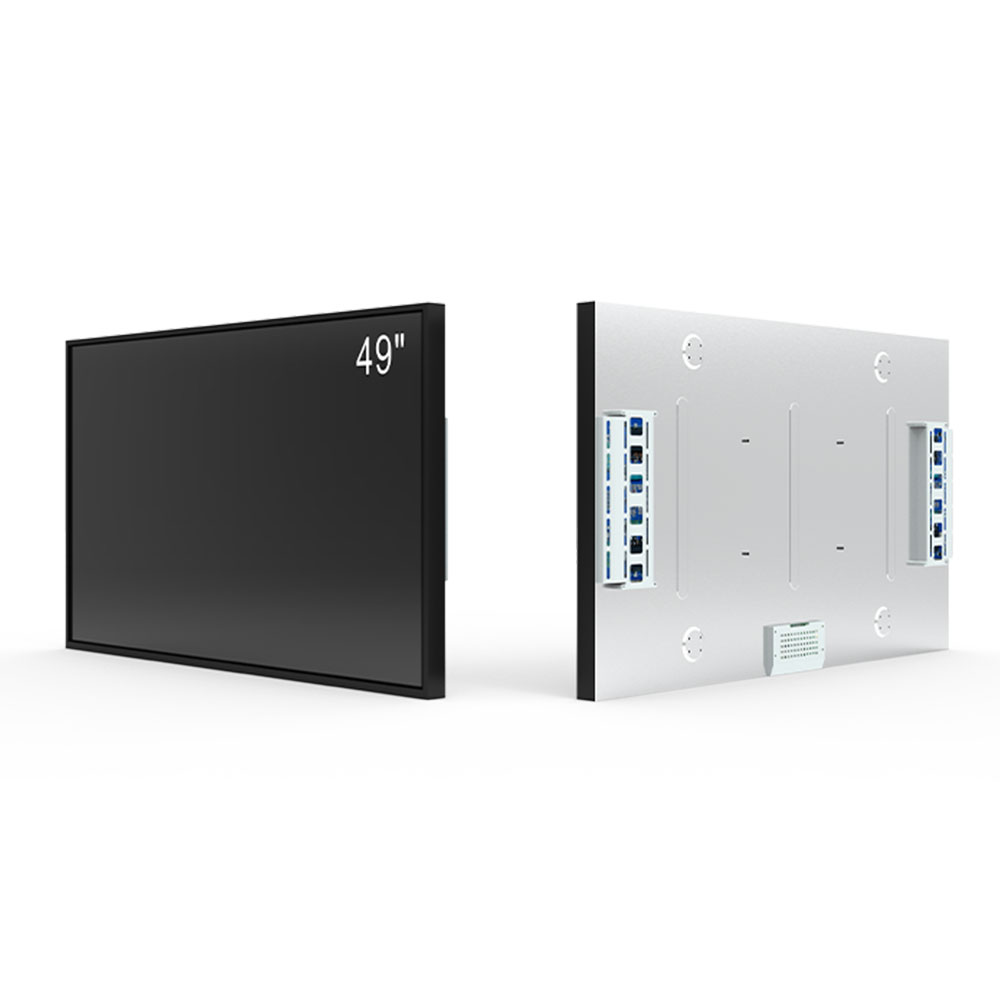
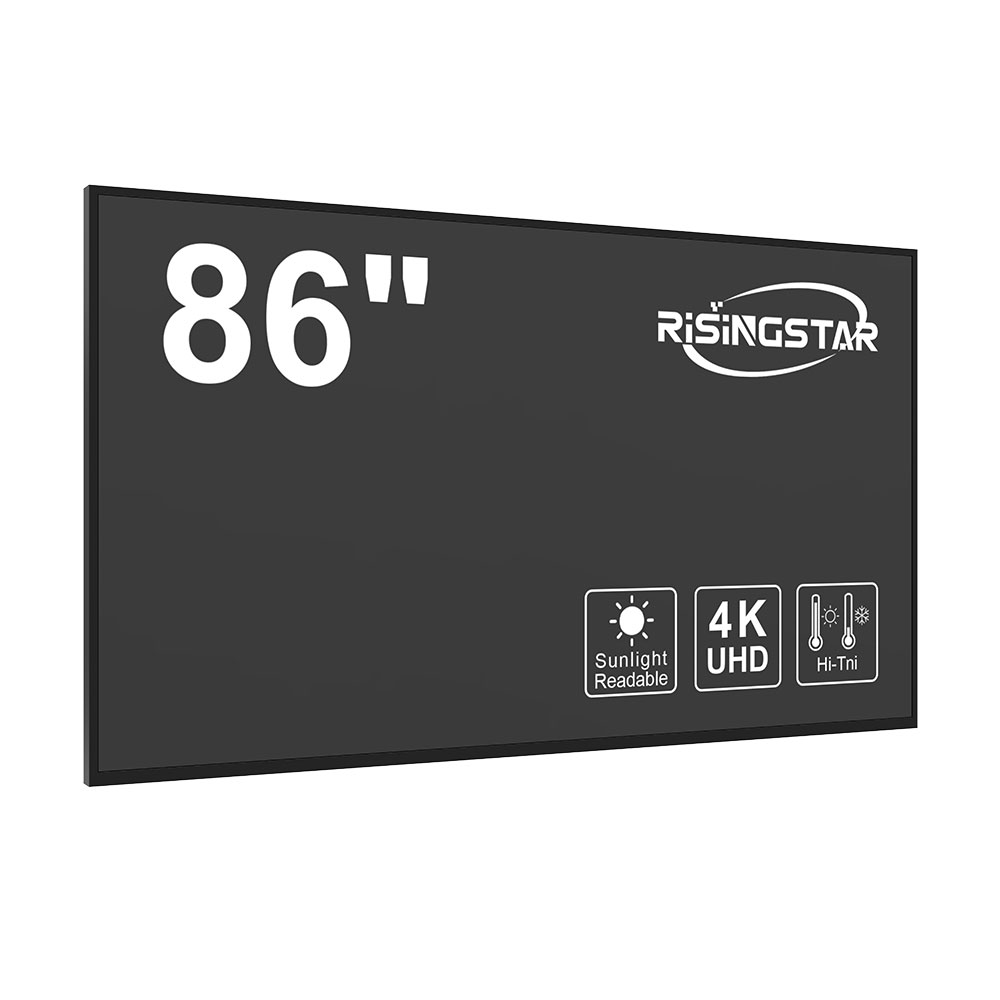
Industrial-grade LCD displays are essential components in modern public infrastructure, offering high reliability, brightness, and durability for demanding environments. These displays are specifically engineered to operate continuously under harsh conditions such as extreme temperatures, humidity, and vibration—common in transportation hubs like railways, buses, subways, and intercity rail systems. For example, LCDs used in passenger information systems (PIS) on trains must maintain clear visibility in both daylight and low-light conditions while supporting real-time updates on schedules, delays, and emergency alerts.
In addition to transit applications, industrial LCDs are increasingly deployed in EV charging kiosks and gas pumps. Here, the display must be resistant to weather, vandalism, and frequent touch interaction. Manufacturers often use Gorilla Glass or similar tempered glass, combined with anti-glare coatings and IP65-rated enclosures, to meet these challenges. Similarly, outdoor digital signage in retail and real estate sectors requires high-brightness panels (typically 5000 nits or more) and wide viewing angles to ensure readability from multiple angles in direct sunlight.
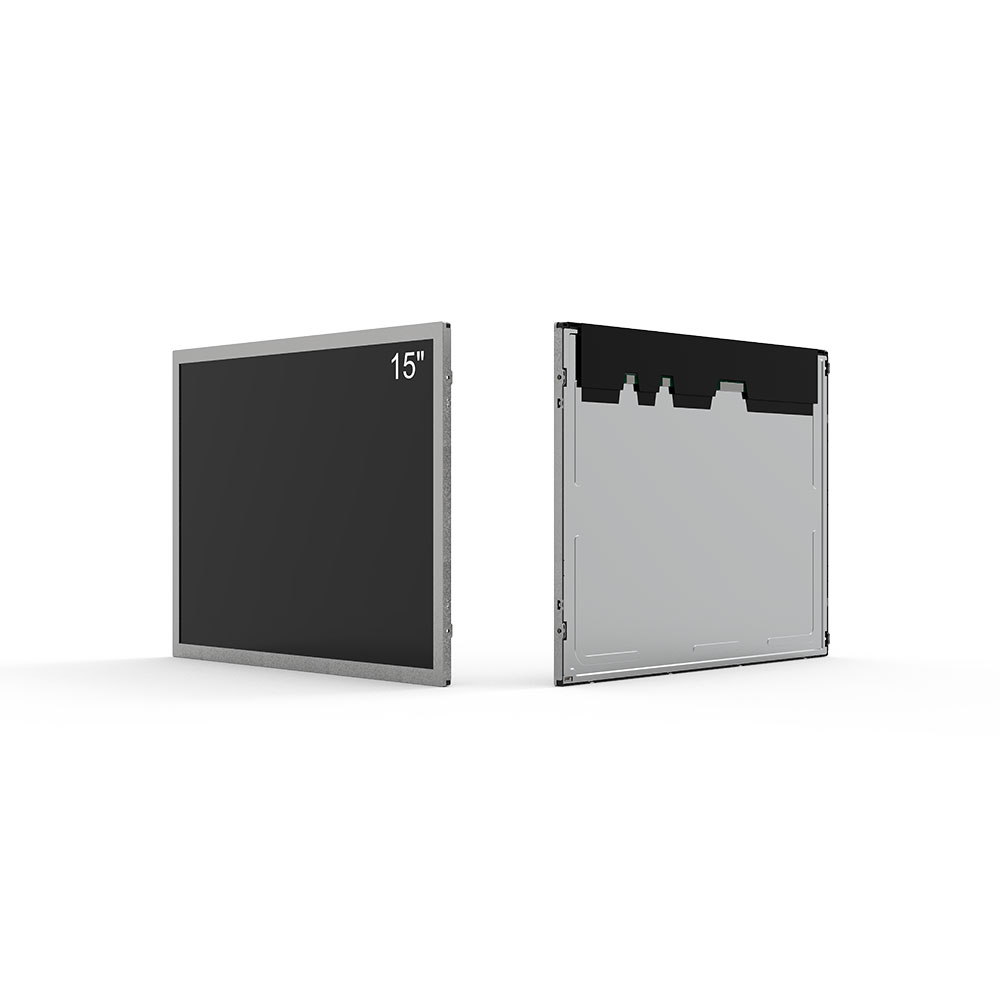
Retail digital signage benefits from dynamic content delivery via embedded processors or network connectivity, enabling location-based promotions and real-time inventory updates. In real estate, digital signage enhances property showings by showcasing virtual tours, floor plans, and pricing details. Meanwhile, outdoor TVs for commercial spaces demand not only robust construction but also energy-efficient LED backlights and smart power management to reduce operational costs.
Industry standards such as MIL-STD-810G for shock and vibration resistance, IEC 60068 for environmental testing, and UL 62368 for electrical safety guide the design and certification of these displays. Leading manufacturers like LG, Samsung, and AU Optronics offer models tailored to each application, including ruggedized versions with extended temperature ranges (-30°C to +70°C) and 24/7 operational lifespans exceeding 60,000 hours. Customer feedback from operators in cities like Tokyo, London, and Singapore confirms that industrial LCDs significantly improve passenger experience, reduce maintenance downtime, and support sustainable urban mobility initiatives.