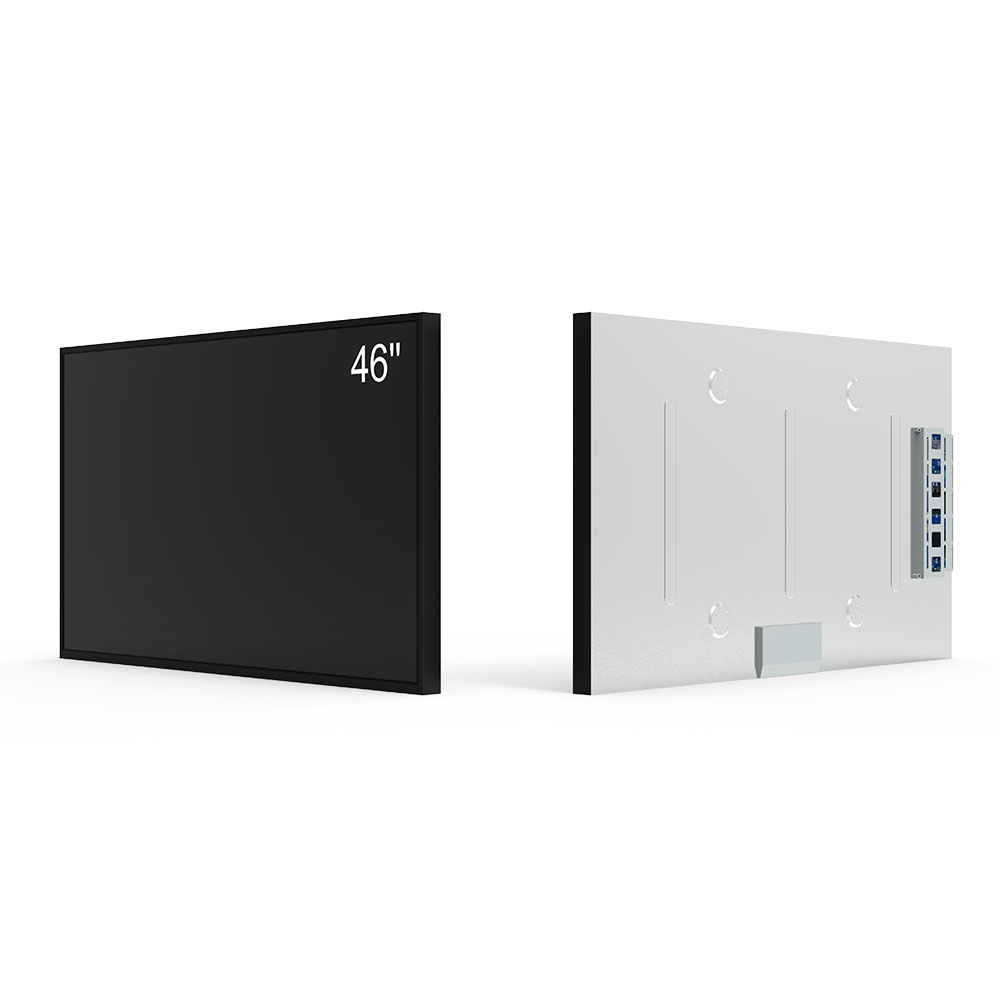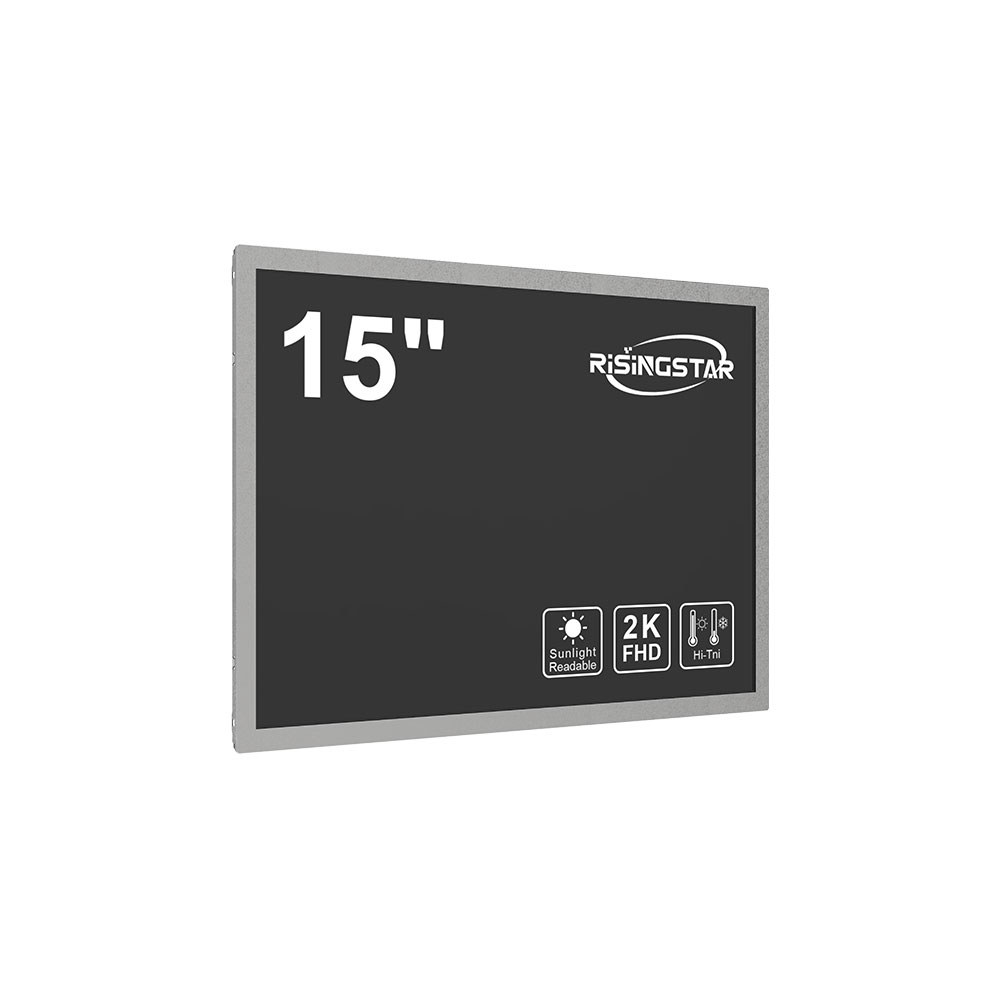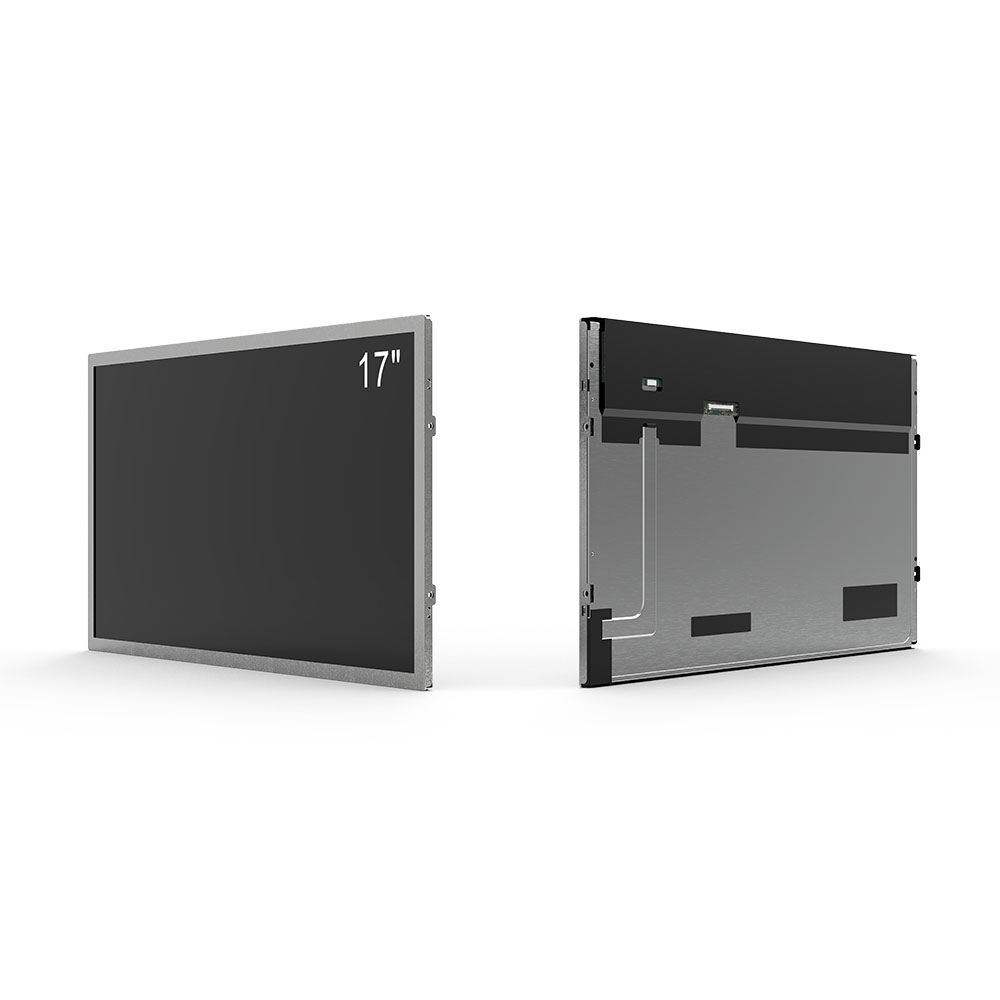
LCD (Liquid Crystal Display) technology continues to be a cornerstone of modern visual interfaces, powering everything from smartphones and laptops to automotive dashboards and industrial control panels. Despite the rise of OLED and micro-LED displays, LCD remains dominant due to its cost-effectiveness, energy efficiency, and mature manufacturing ecosystem.
One of the most practical applications of LCDs is in the automotive sector, where they are used for digital instrument clusters and infotainment systems. For example, Tesla’s Model 3 uses a high-resolution LCD dashboard that integrates navigation, vehicle diagnostics, and climate controls into one intuitive interface. In healthcare, LCDs are essential in medical imaging equipment like ultrasound machines and patient monitors, where clarity, color accuracy, and long-term reliability are critical.
The advantages of LCDs include low power consumption—especially when paired with LED backlighting—and excellent brightness levels, making them ideal for outdoor or brightly lit environments. They also offer consistent image quality across large screen sizes, which is vital for commercial displays such as digital signage in retail stores or public transportation hubs.
However, common problems still persist. One issue is limited contrast ratio compared to OLEDs, leading to less deep blacks and reduced visual depth in dark scenes. Another challenge is viewing angle dependency—some older LCD models suffer from color shift or brightness loss at extreme angles. Additionally, LCDs can experience backlight bleed or uneven illumination, particularly in budget-friendly devices.
To address these issues, manufacturers have adopted advanced technologies such as IPS (In-Plane Switching) and VA (Vertical Alignment) panels, which improve viewing angles and color consistency. Recent trends include the integration of local dimming zones in LED-backlit LCDs to boost contrast, and the development of mini-LED and quantum dot-enhanced LCDs for higher brightness and wider color gamuts. According to a 2023 report by IHS Markit, over 65% of global display shipments still use LCD technology, underscoring its continued relevance.
Looking ahead, the convergence of AI-driven calibration systems and adaptive brightness algorithms promises to further enhance LCD performance. These innovations not only extend product lifespans but also reduce environmental impact by optimizing power usage. As sustainability becomes a priority, LCDs’ lower carbon footprint during production makes them an eco-friendly choice for many industries.