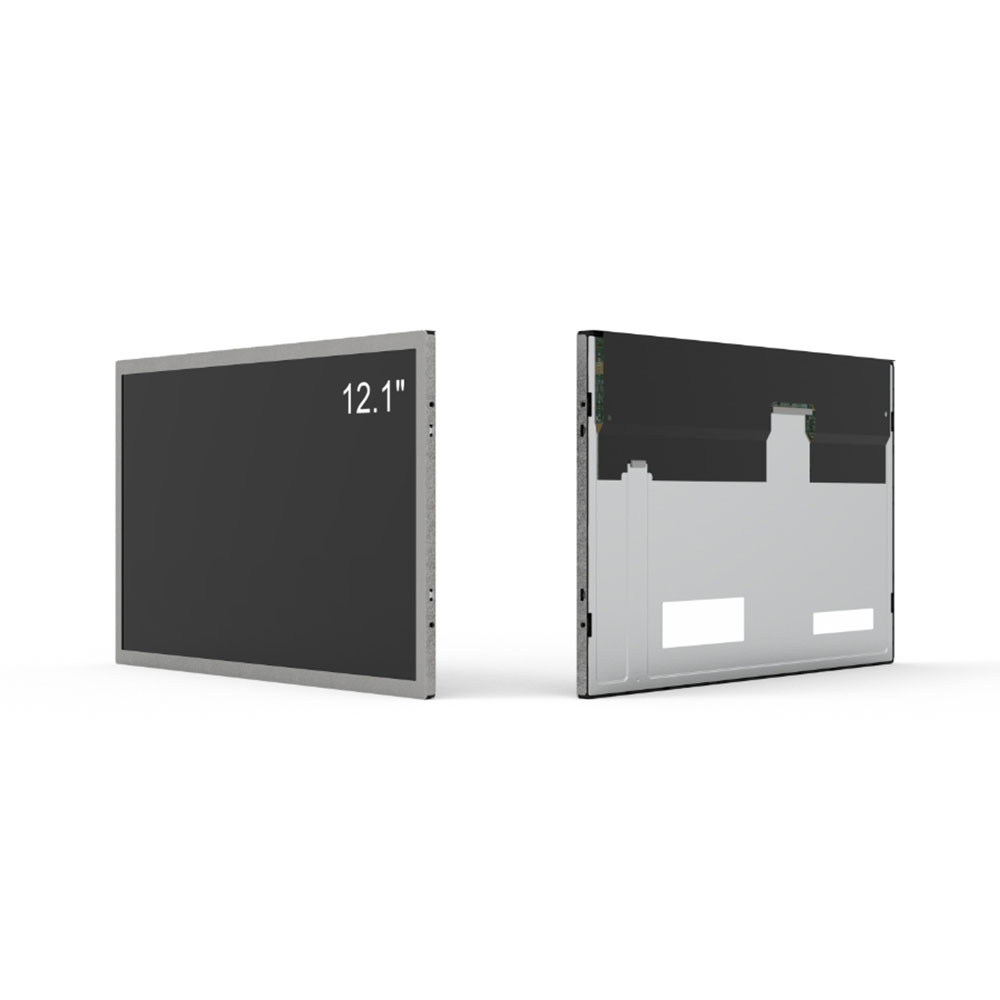
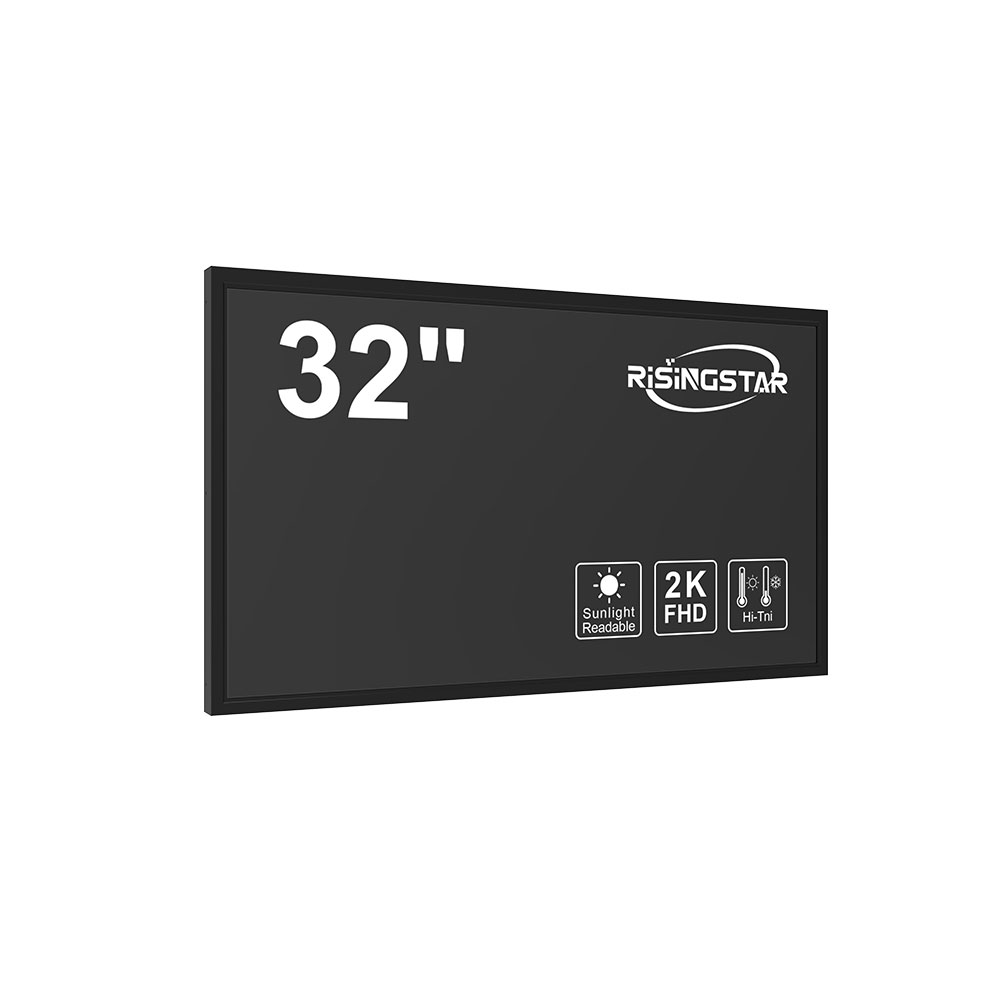
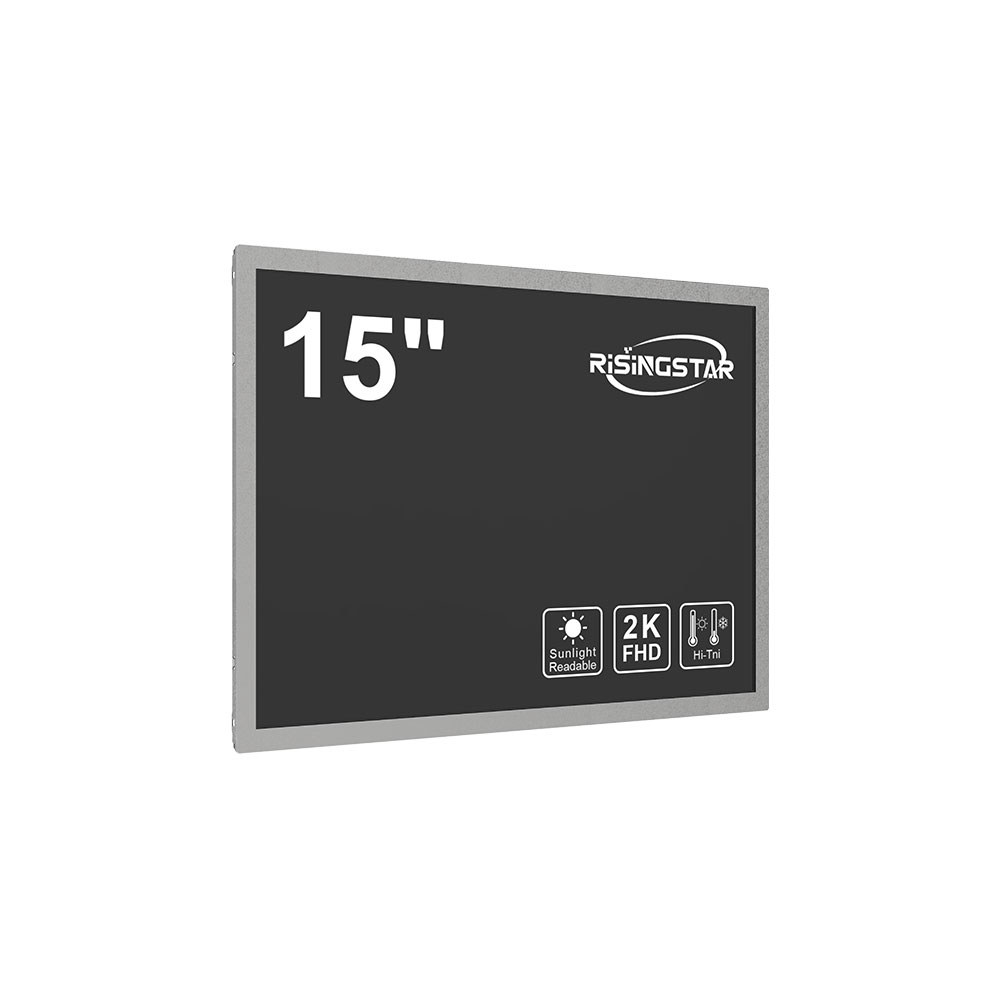
Designing a sunlight-readable, high-brightness LCD screen is a critical engineering challenge in today’s outdoor electronics market—from industrial control panels and military displays to public kiosks and automotive infotainment systems. To ensure visibility under direct sunlight (often exceeding 100,000 lux), engineers must go beyond simply increasing backlight brightness.
First, the display panel itself must be optimized using high-transmission polarizers, anti-reflective coatings, and advanced liquid crystal materials like IPS or VA modes that maintain contrast even at wide viewing angles. For example, a study by the Society for Information Display (SID) found that IPS panels with multi-layer AR coatings can reduce surface reflectance to less than 1%, significantly improving readability in bright environments.
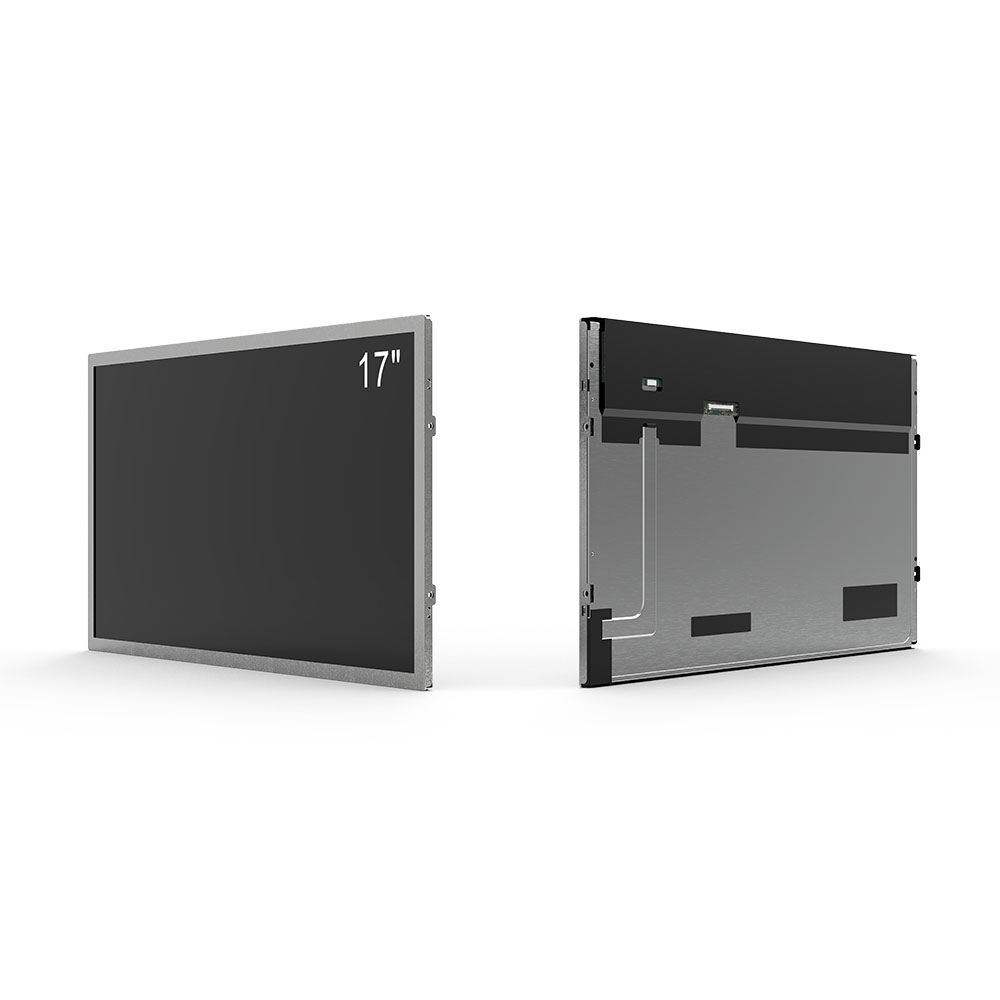
Second, backlight design is crucial. High-brightness LEDs (typically 5,000–10,000 nits) are standard for outdoor use, but uniformity matters as much as peak luminance. A well-engineered diffuser and light guide plate (LGP) system ensures no hotspots or dark zones—key for professional-grade applications. According to ISO 9241-3, display uniformity within ±10% across the screen is essential for user comfort and task performance.
Third, ambient light sensors and automatic brightness adjustment enhance both usability and energy efficiency. These systems dynamically adjust luminance based on real-time conditions—reducing power consumption when ambient light is low while maintaining clarity in full sun. This feature is now common in ruggedized tablets and field-deployed devices used by utilities, logistics, and emergency responders.

Finally, physical protection matters. IP65-rated enclosures with tempered glass and anti-glare films protect against dust, moisture, and UV degradation—all vital for long-term reliability. Field tests conducted by MIL-STD-810G show that properly sealed and coated displays survive 1,000+ hours of continuous sun exposure without significant performance drop.
In summary, creating a truly sunlight-readable LCD requires an integrated approach: panel technology, lighting, adaptive control, and environmental resilience. As outdoor electronic usage grows—especially in smart cities, EVs, and defense tech—the demand for robust, readable screens will only increase.