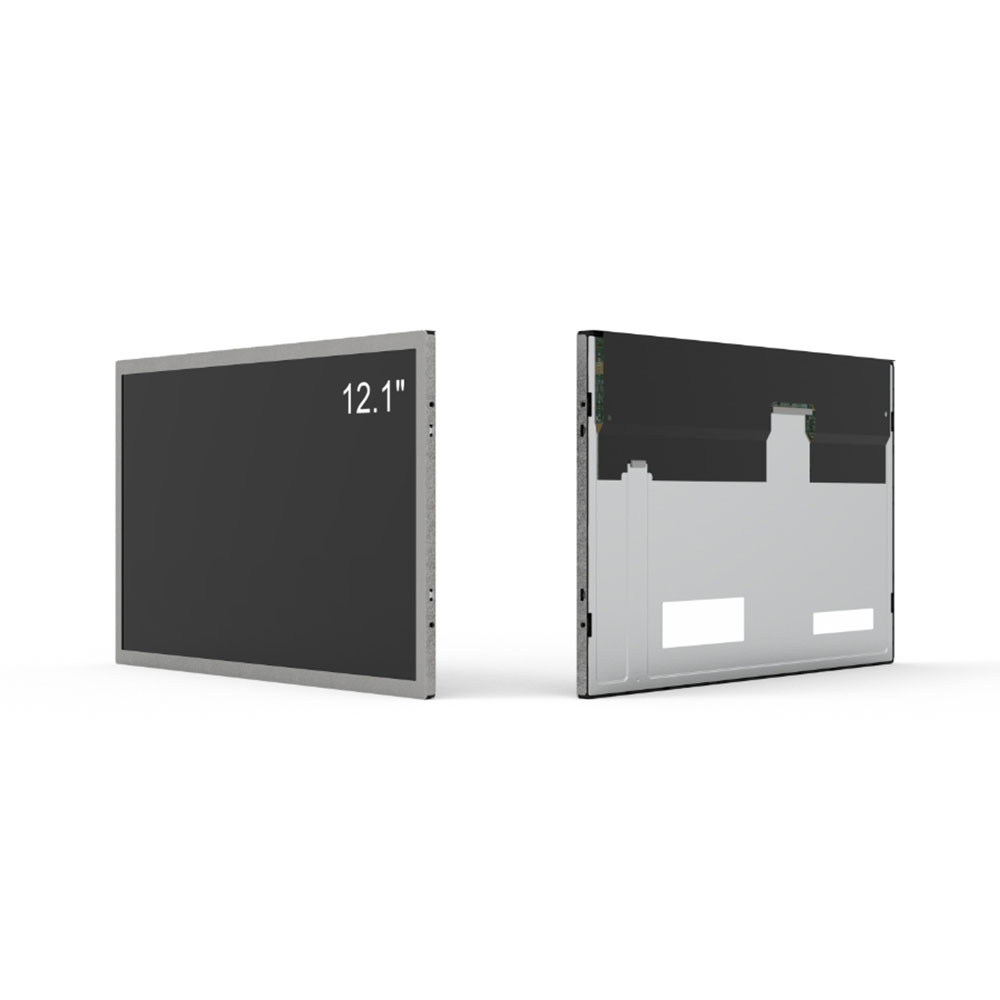
In today’s rapidly evolving digital landscape, choosing the right LCD screen size and aspect ratio is crucial for both consumer and industrial applications. The 16:9 display ratio has become the industry standard across monitors, laptops, televisions, and even embedded systems due to its compatibility with high-definition content such as HD (720p), Full HD (1080p), and Ultra HD (4K) video formats. This widescreen format ensures optimal viewing comfort and efficient use of space—especially in environments where content density and multitasking matter.
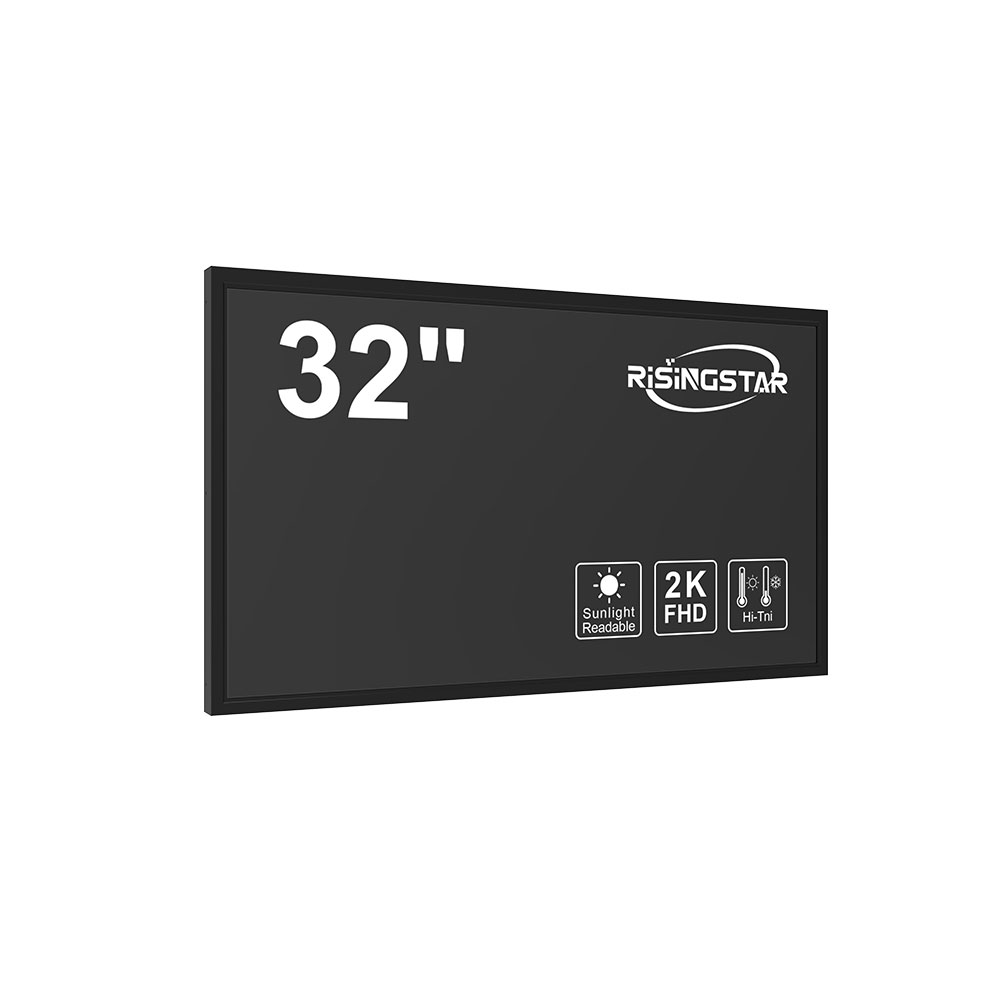
LCD screens come in a wide range of sizes, from compact 10.1-inch displays used in portable devices like tablets and handheld controllers to massive 110-inch panels for commercial signage or large venue installations. Common sizes include 13.3”, 15.6”, and 18.5” for laptops and desktop replacements; 21.5”, 23.8”, and 27” for home and office monitors; 32”, 43”, and 46” for mid-sized TVs; 49”, 55”, and 65” for premium home entertainment; and 75”, 86”, and 98” for professional video walls or digital signage in retail and hospitality. The 110” size represents the upper limit for many consumer-grade LCDs but is increasingly used in commercial settings such as command centers and control rooms.
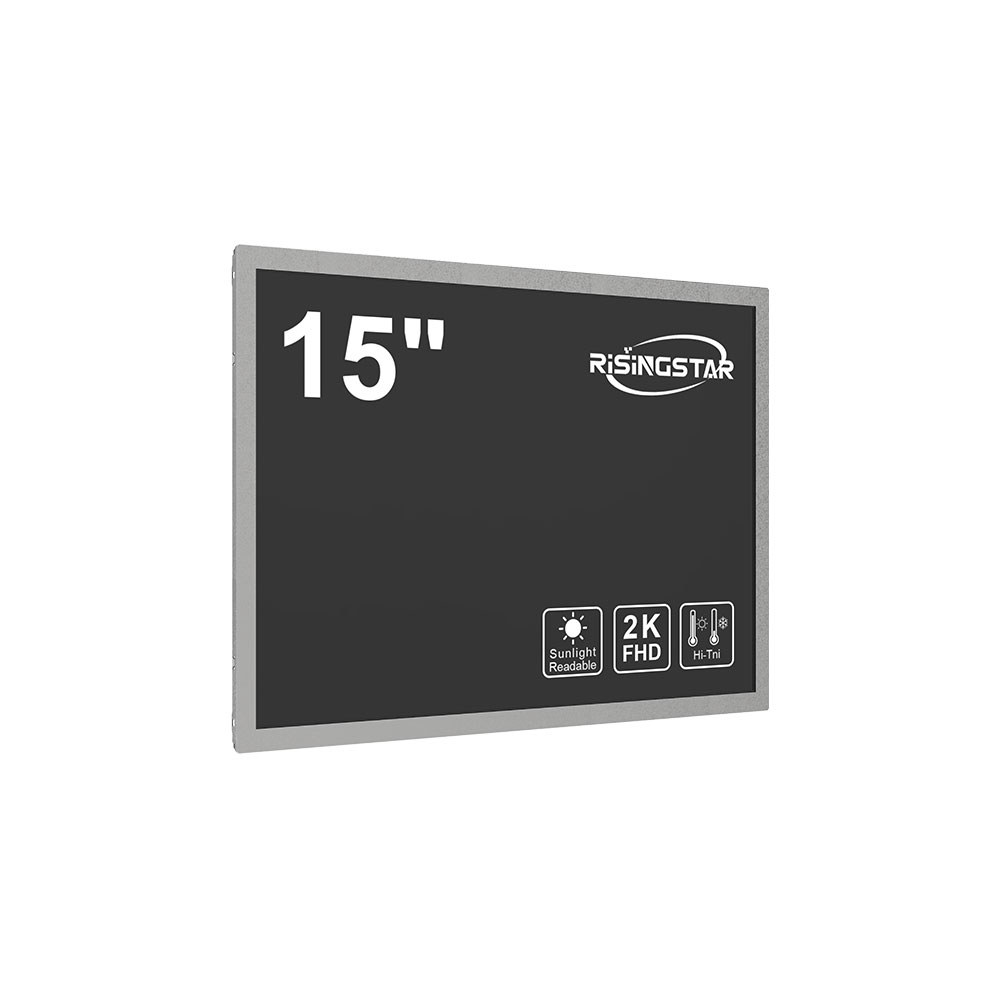
Each size offers distinct advantages. For example, 15.6” and 13.3” screens are ideal for mobile productivity, while 27” monitors provide excellent detail clarity for graphic design and programming. Larger screens like 55” and above benefit from higher resolutions (like 4K UHD) to maintain sharpness at typical viewing distances. Moreover, the 16:9 ratio aligns perfectly with modern content creation tools—Adobe Premiere Pro, Microsoft Office, and Zoom—all of which optimize layouts for this aspect ratio.
Manufacturers such as LG, Samsung, and AU Optronics produce LCD panels using technologies like IPS, VA, and TN, each offering different color accuracy, viewing angles, and response times. These panels are tested under rigorous environmental conditions (e.g., ISO 9001 and IEC 60068 standards) to ensure durability and consistent performance across various industries—from medical imaging to automotive dashboards.
Whether you're selecting a monitor for remote work, a TV for your living room, or a display for a smart factory, understanding the relationship between screen size and 16:9 aspect ratio helps maximize usability, reduce eye strain, and improve productivity. Always consider resolution, brightness (measured in nits), contrast ratio, and panel type alongside physical dimensions when making your decision.