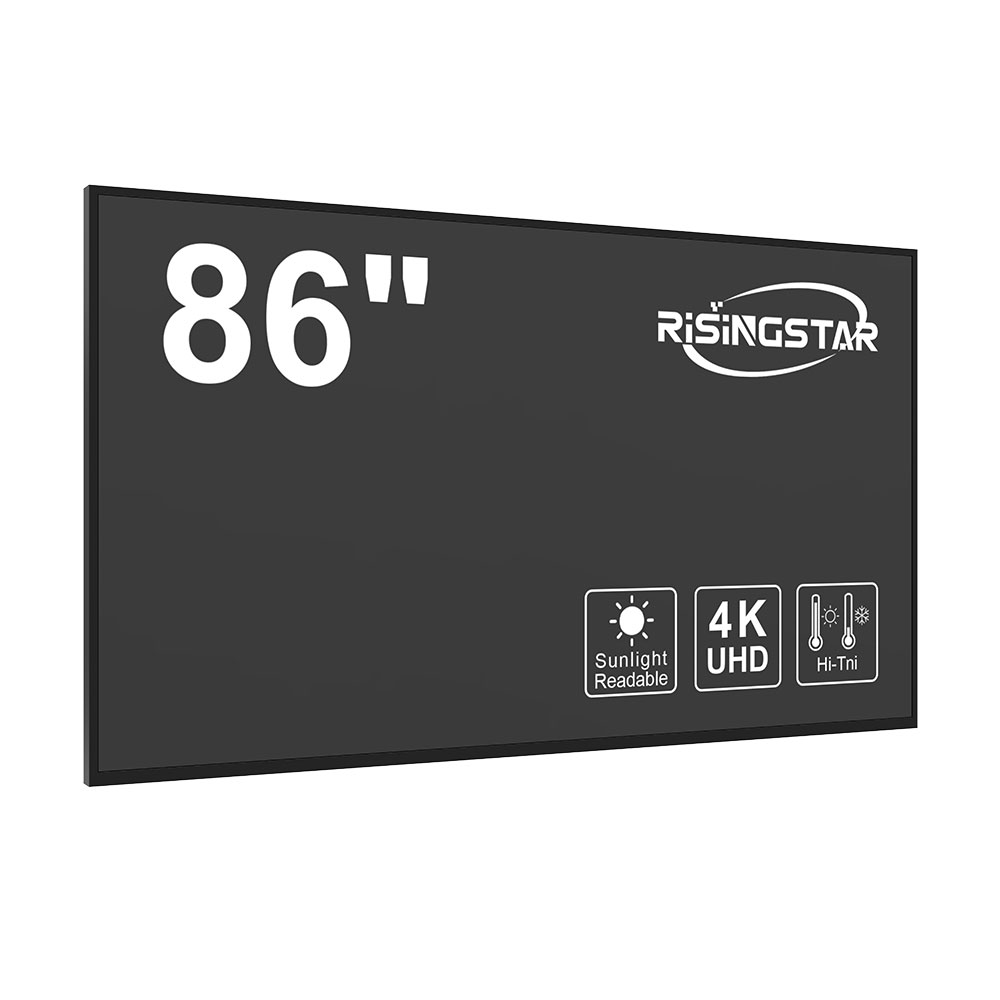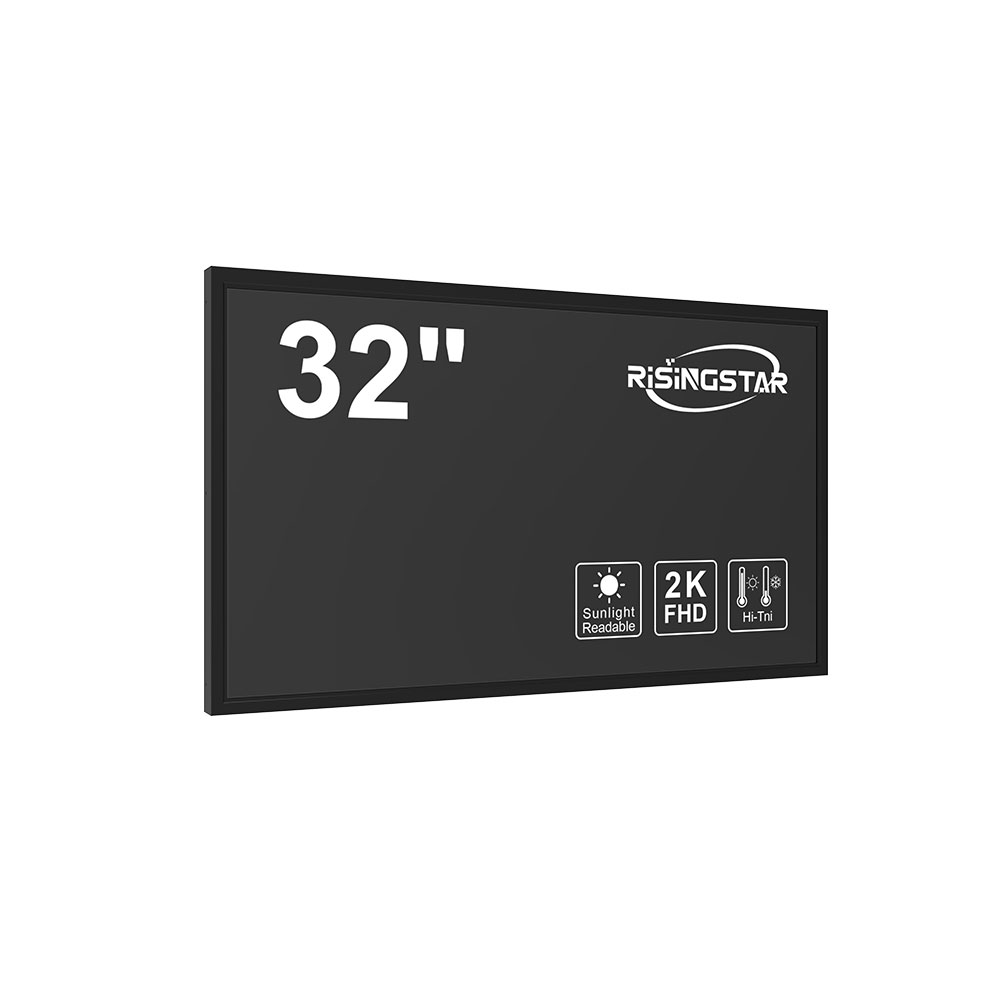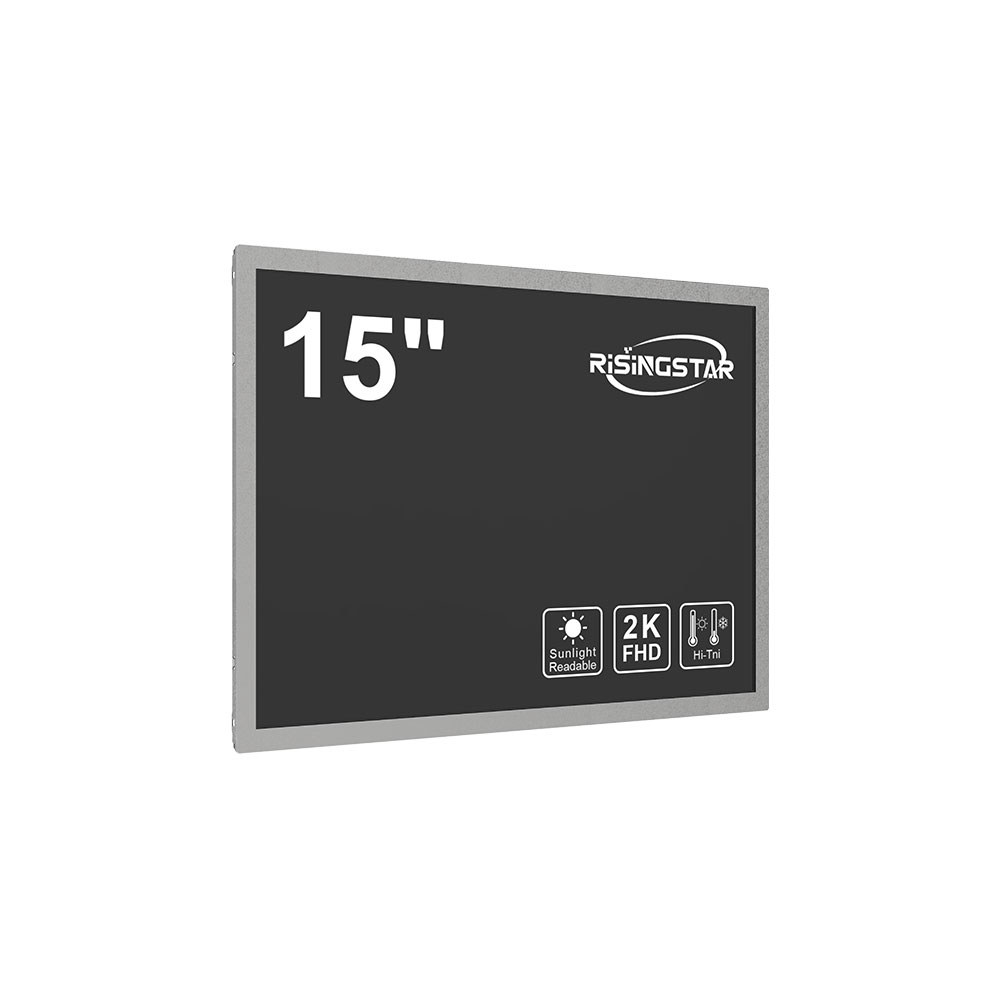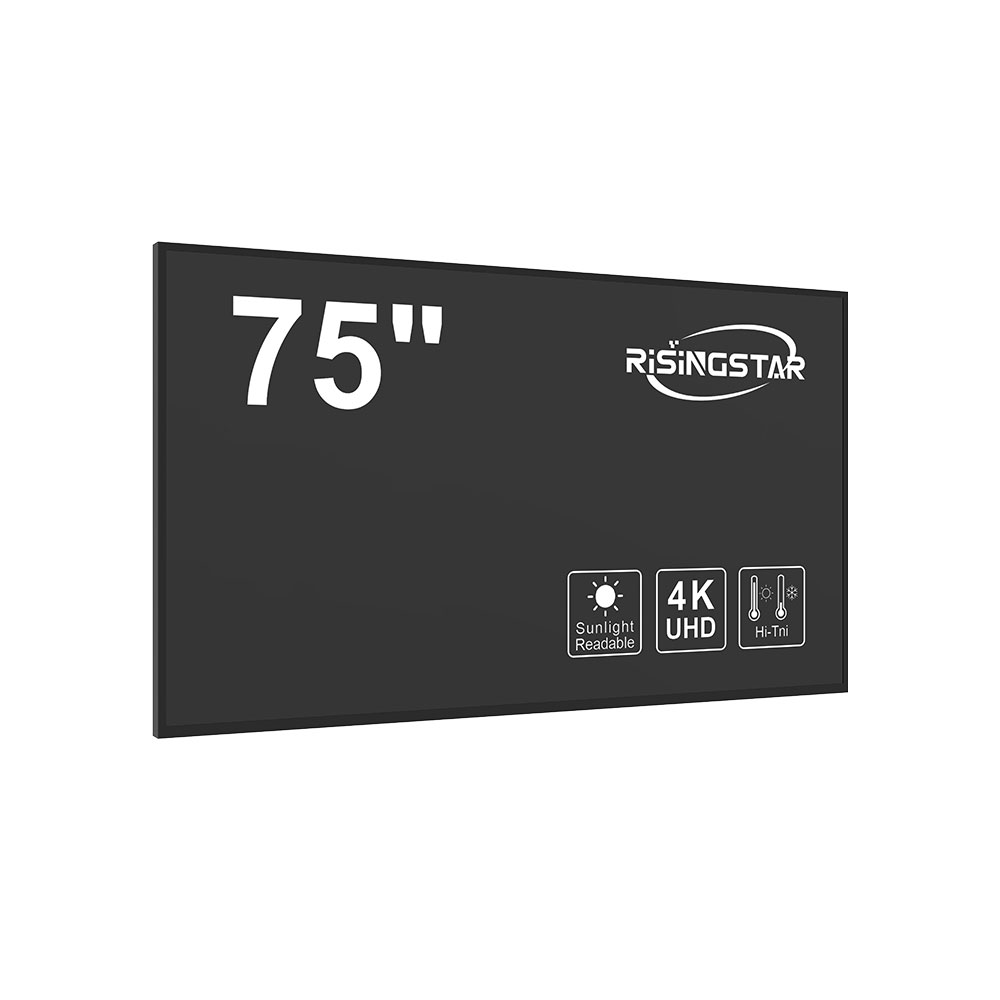
The strip screen series, encompassing display sizes from 14.1 inches to 86 inches, represents a versatile and scalable solution for industrial automation, commercial signage, healthcare monitoring, and digital kiosks. These screens are engineered with high brightness (up to 5000 nits), wide viewing angles (178°), and advanced anti-glare coatings, making them ideal for environments ranging from brightly lit retail spaces to dimly lit control rooms.
Manufacturers like BOE, Innolux, and LG Display have standardized these sizes to support modular integration into existing systems. For instance, the 21.2-inch and 23.1-inch variants are widely adopted in POS terminals due to their optimal balance of space efficiency and readability. The larger formats—such as the 48.5-inch and 58.6-inch models—are commonly used in public information displays and command centers, where clarity at distance is critical.
Environmental durability is another key advantage. Many strip screens meet IP65 or higher ratings for dust and water resistance, ensuring long-term reliability in harsh conditions such as manufacturing floors or outdoor advertising setups. Additionally, they often feature built-in touch functionality (capacitive or resistive) and support for HDMI, DP, and USB-C inputs, enabling seamless connectivity with modern edge computing devices.
User feedback from OEMs and integrators highlights consistent performance across temperature ranges (-20°C to 60°C), reduced power consumption compared to legacy LCDs, and compatibility with AI-based analytics software for real-time data visualization. Industry reports from Display Supply Chain Consultants (DSCC) confirm that this size range is projected to grow at a CAGR of 7.3% through 2027, driven by demand in smart city infrastructure and industrial IoT deployments.
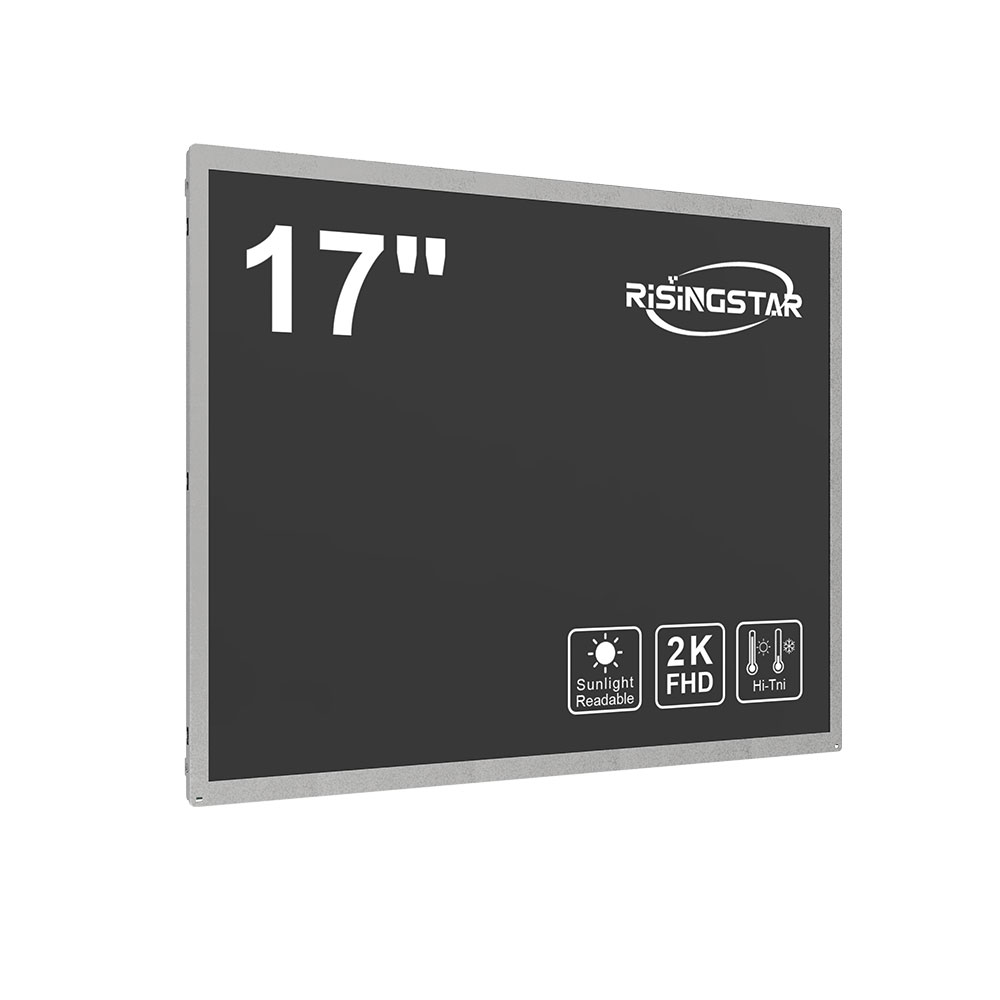
Whether deploying a single unit for a retail counter or a multi-screen wall in a logistics hub, the strip screen series offers proven scalability, cost-efficiency, and future-proof design.