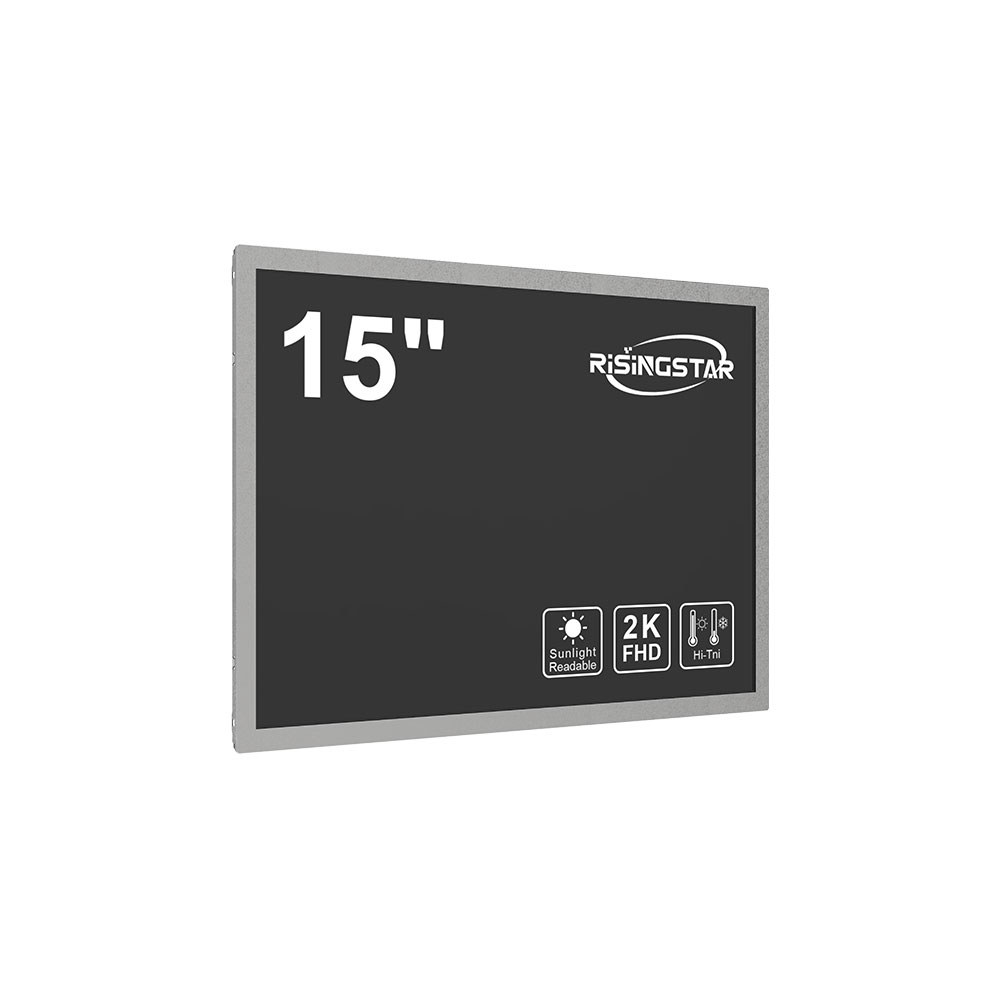
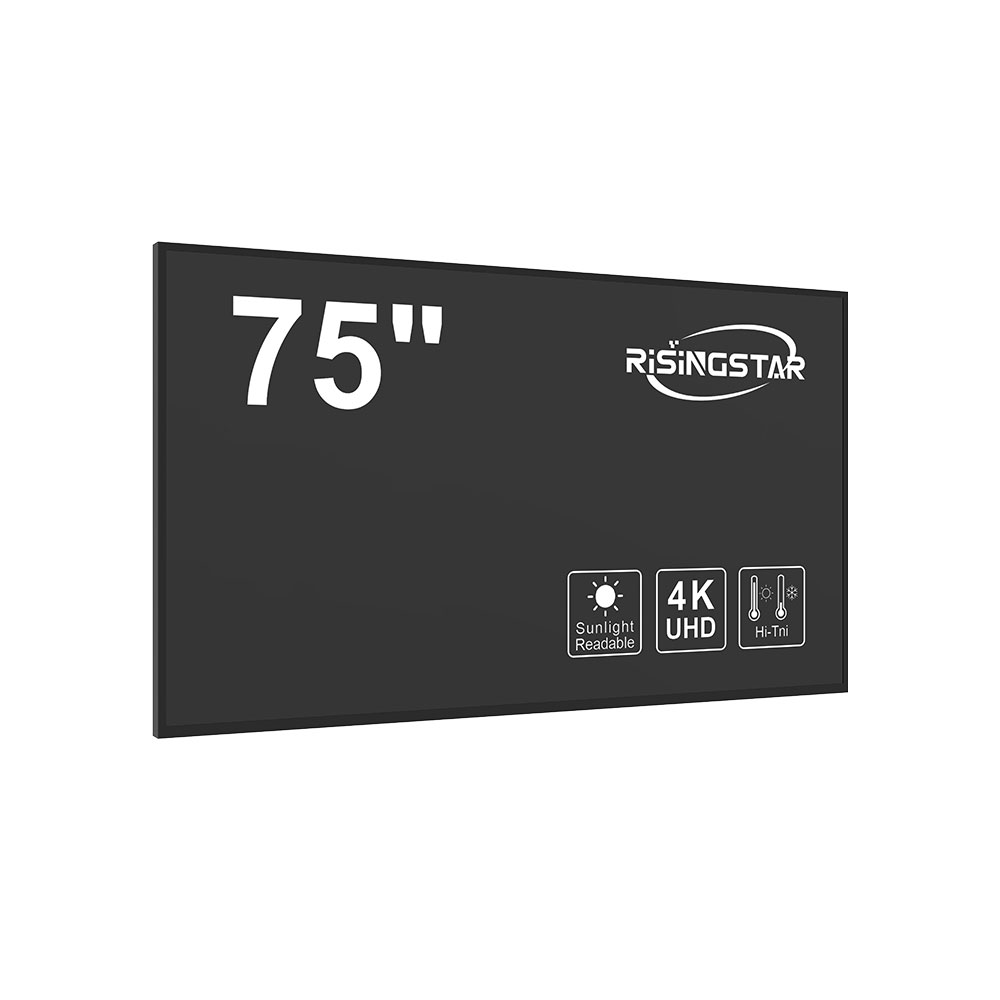
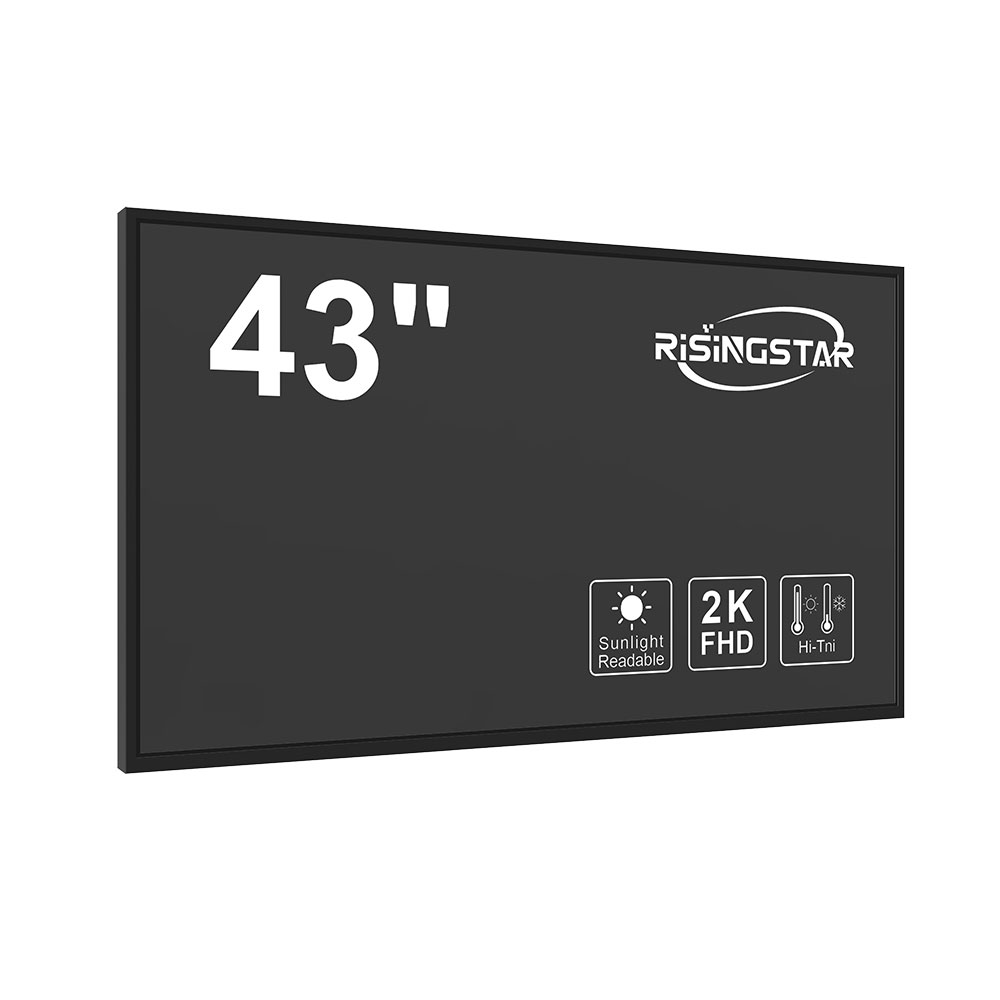
When selecting an LCD display for industrial applications, engineers and procurement managers must consider a range of technical, environmental, and operational factors to ensure long-term reliability and performance. Unlike consumer-grade displays, industrial LCDs are expected to operate in harsh conditions such as extreme temperatures, high humidity, vibration, and prolonged exposure to sunlight or dust.
First, define the operating environment. Industrial settings often include factories, outdoor kiosks, medical equipment, and transportation systems where ambient temperatures can range from -30°C to +70°C. In such cases, opt for displays with wide temperature tolerance—typically rated for -40°C to +85°C—and use cold-weather-rated components like TFT-LCD panels with enhanced backlighting systems (e.g., LED-based or CCFL backlights optimized for low temperatures).
Second, assess mechanical durability. Vibration and shock resistance are critical for machinery control panels and mobile devices. Look for displays with ruggedized housings made from aluminum or polycarbonate, and consider models with anti-vibration mounting options. MIL-STD-810G certification is a strong indicator of robustness under mechanical stress.
Third, evaluate brightness and viewing angles. Industrial environments may have varying lighting conditions—from dimly lit control rooms to bright outdoor sun exposure. A display with at least 2000 nits brightness (measured per ISO 9241-3) ensures visibility in direct sunlight. Wide viewing angles (≥170° horizontal and vertical) improve usability in multi-user setups like assembly lines or dashboards.

Fourth, consider input and connectivity standards. Many industrial systems integrate legacy protocols like RS-232, RS-485, or VGA, so compatibility matters. Modern solutions increasingly support HDMI, LVDS, or MIPI DSI for high-resolution video signals and faster data transfer. Ensure the display supports the required resolution (e.g., 1080p or higher) and has sufficient I/O ports for future expansion.
Fifth, prioritize longevity and serviceability. Industrial LCDs should be designed for a minimum 50,000-hour operational life. Check for certifications like RoHS, CE, and FCC compliance to ensure safety and regulatory alignment. Also, choose manufacturers offering extended warranties (3–5 years) and local support networks for rapid repair or replacement.
Real-world case studies show that companies using industrial-grade displays in automated manufacturing reported up to 40% fewer downtime incidents compared to those using consumer-grade alternatives. For example, Siemens and Bosch often specify LG Display’s industrial series (like the LQ104V1LW1) for their HMI systems due to consistent performance across diverse environmental conditions.
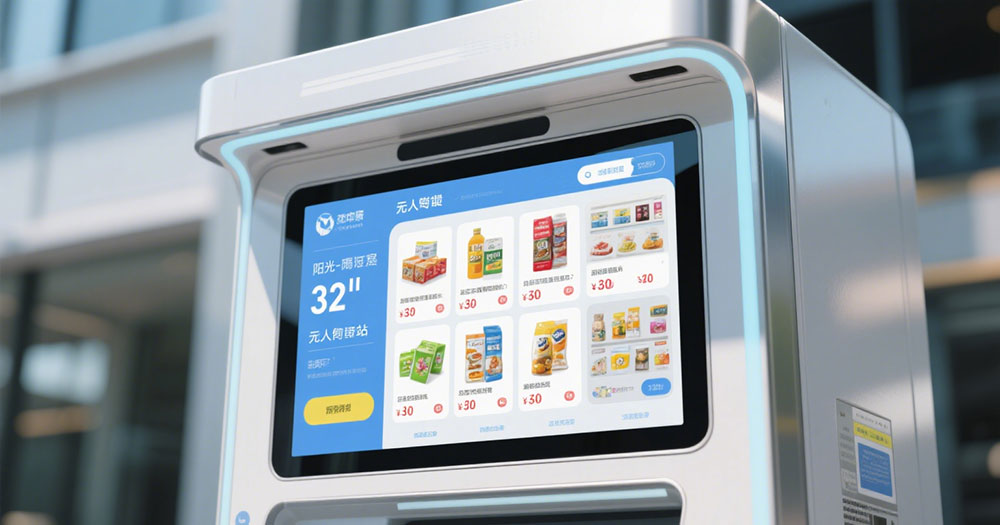
In summary, choosing the right LCD display requires a holistic evaluation of environmental resilience, mechanical strength, visual clarity, interface compatibility, and long-term maintainability. This approach not only enhances system uptime but also reduces total cost of ownership over time.