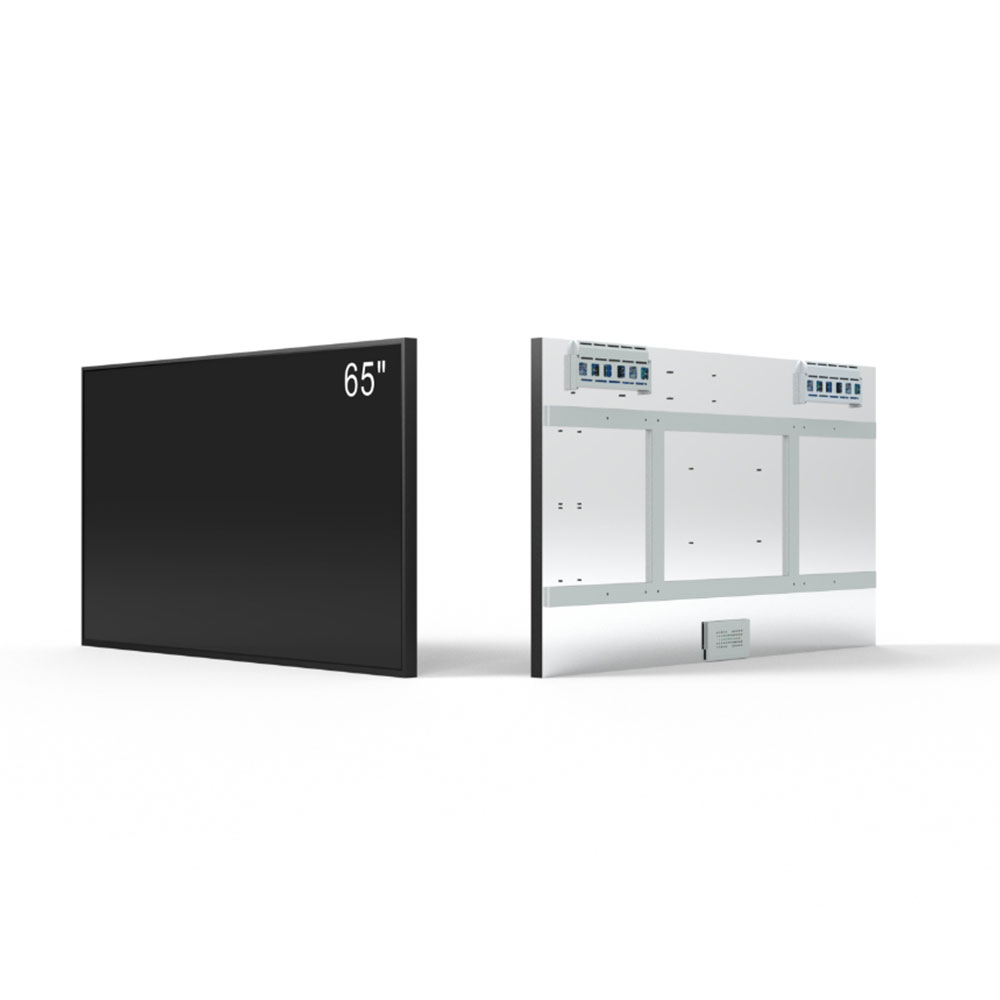
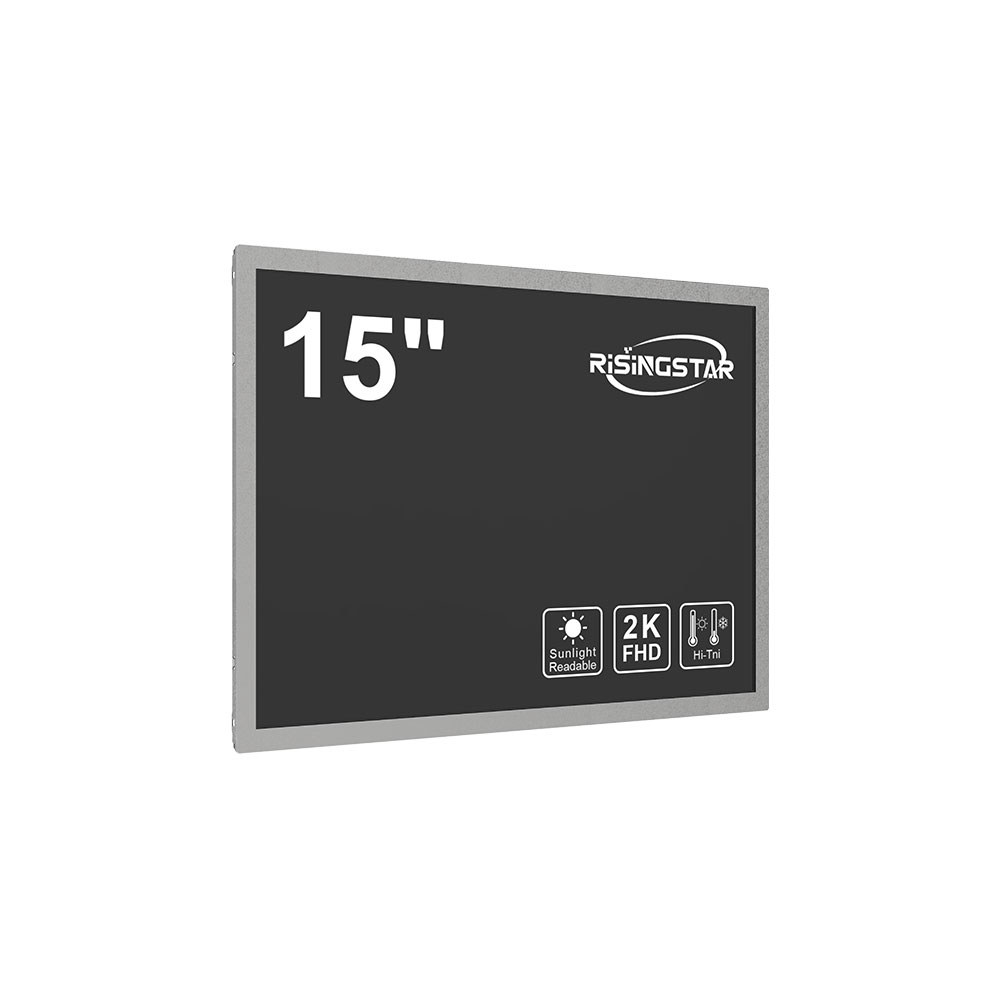
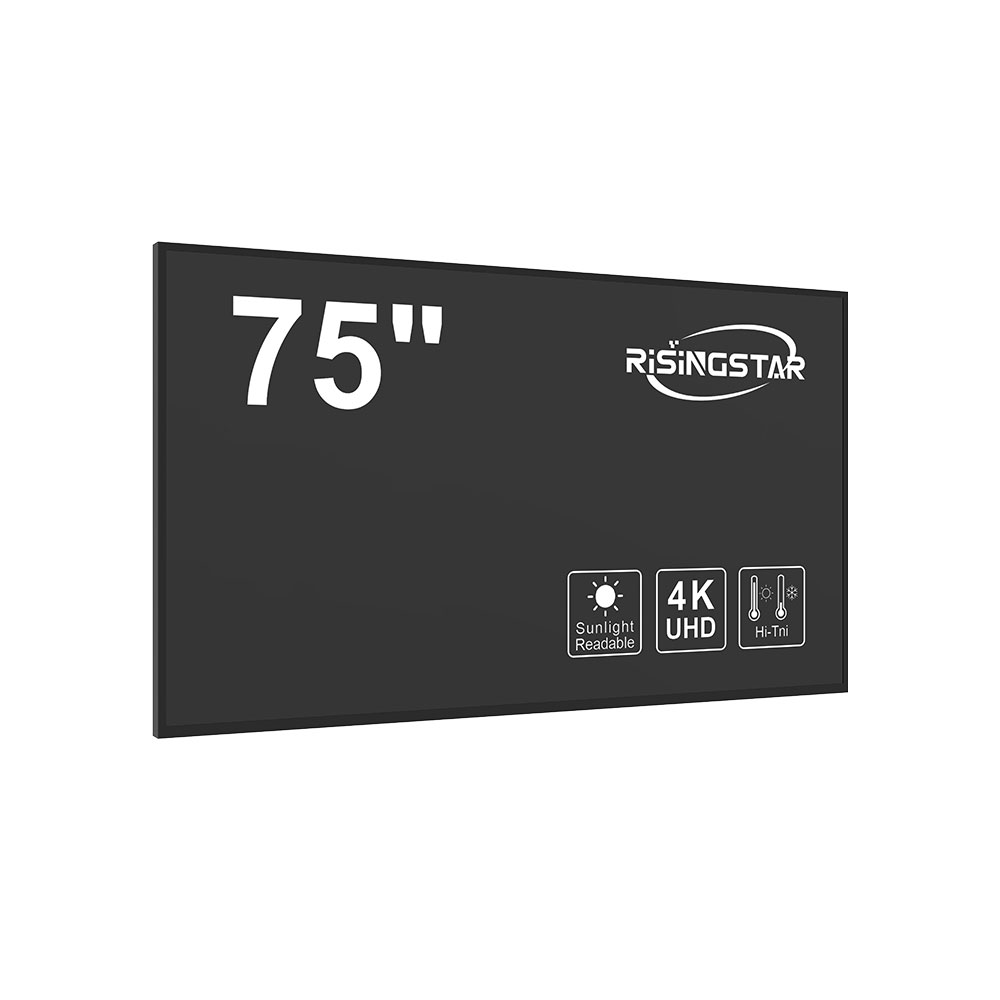
When selecting an LCD display, one of the most critical decisions involves choosing the appropriate resolution—especially with modern options like 2K and 4K becoming widely available across consumer, professional, and industrial applications. A 2K resolution typically refers to a screen with approximately 2,560 horizontal pixels (e.g., 2560x1440), while 4K (also known as Ultra HD or UHD) offers around 3,840 horizontal pixels (3840x2160). These resolutions significantly impact image clarity, viewing distance, and performance requirements such as GPU processing power and bandwidth.
For home entertainment, a 4K LCD TV provides stunning detail, especially when viewed from within 1.5 meters (5 feet), making it ideal for movie nights or gaming on large screens. In contrast, 2K monitors are often preferred in office environments or for general desktop use where high clarity is needed but not at the expense of system resources. The increased pixel density in 4K displays also enhances text readability and multitasking capabilities, which is beneficial for graphic designers, video editors, and software developers who rely on precise visual output.
From an industrial perspective, manufacturers increasingly adopt 4K LCDs in quality control systems and medical imaging equipment due to their ability to render fine details essential for diagnostics or defect detection. Meanwhile, 2K remains a cost-effective solution for mid-range industrial panels where budget constraints exist but visual accuracy is still important.
It's crucial to consider both hardware compatibility and usage scenarios. For example, running 4K content demands a capable graphics card (like NVIDIA RTX series or AMD Radeon RX 6000+) and HDMI 2.0 or DisplayPort 1.4 support. If your system lacks these components, forcing a 4K display may result in lower refresh rates or lag—undermining its benefits. Similarly, using 4K on a small screen (e.g., 24 inches) without sufficient viewing distance can lead to eye strain due to excessive pixel density.
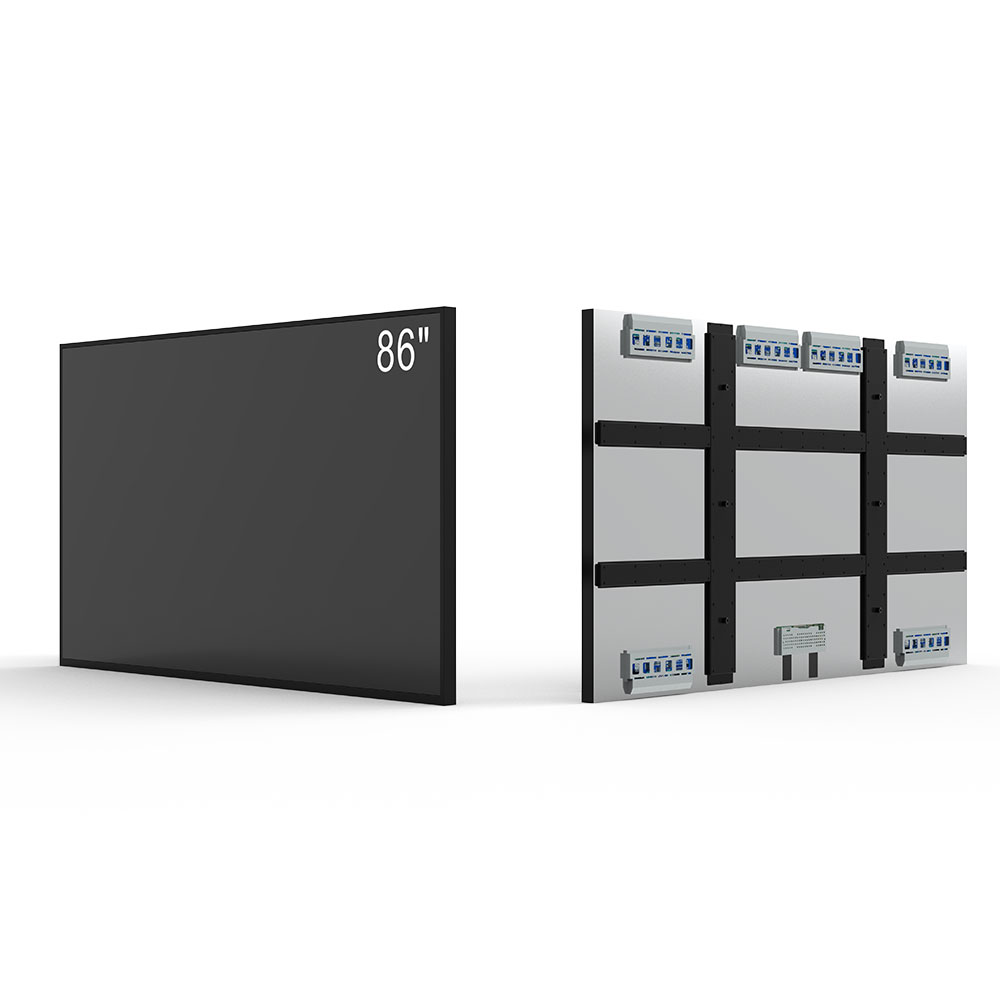
In summary, whether you choose 2K or 4K depends on your application: prioritize 4K for immersive media, precision work, or future-proofing; opt for 2K when balancing performance, cost, and practicality. Always match resolution to screen size, viewing distance, and hardware capabilities to ensure optimal user experience.