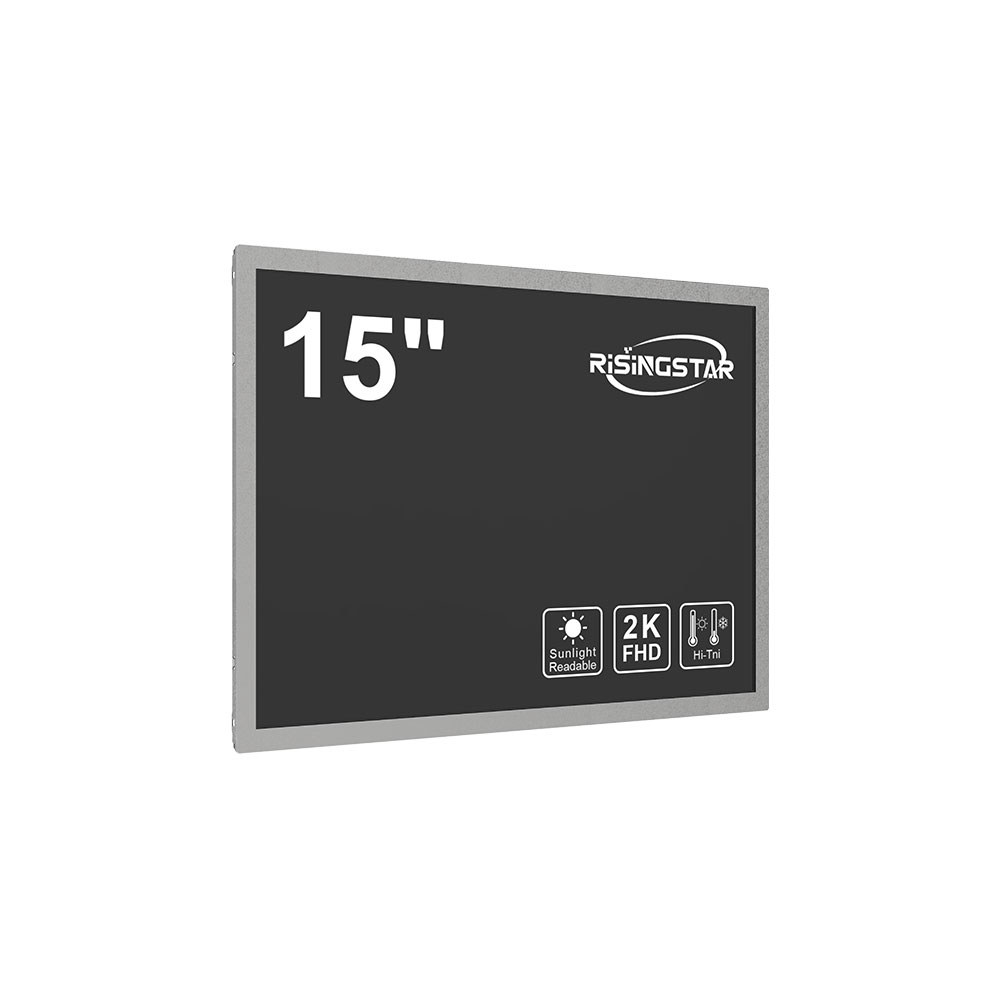
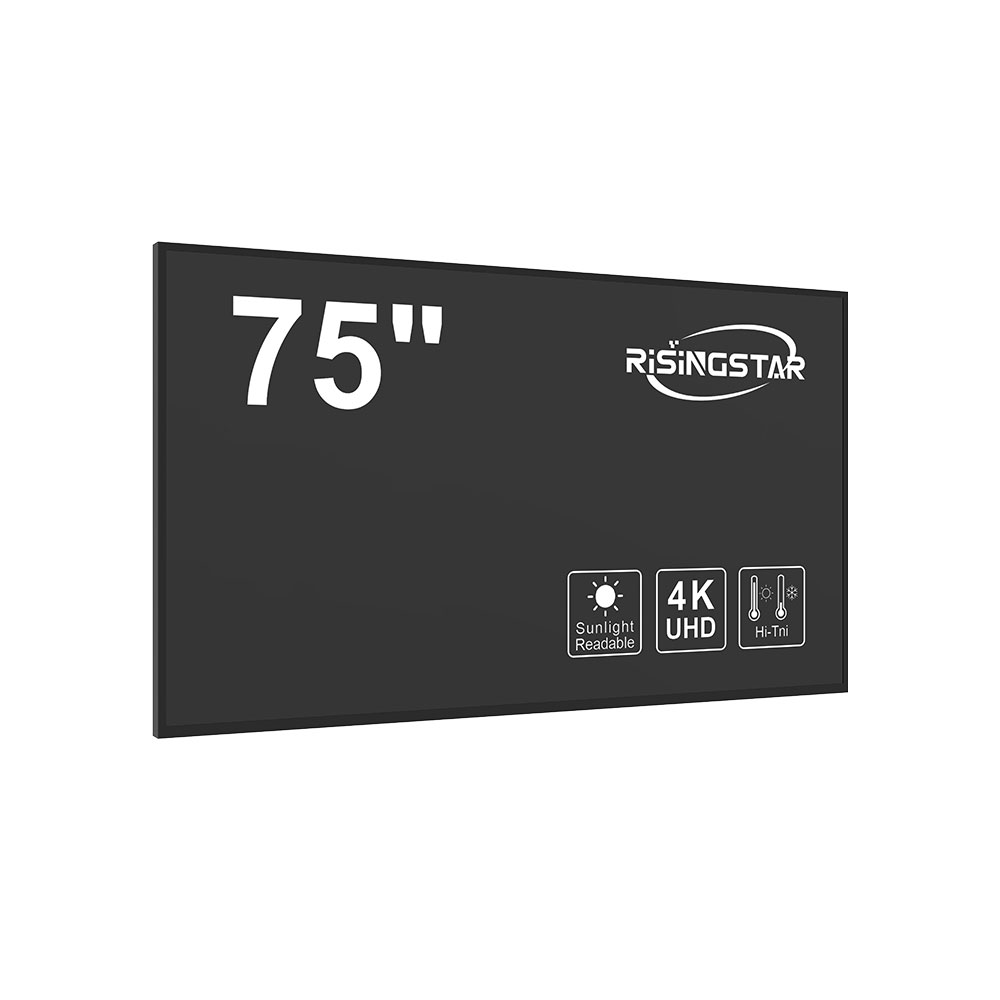
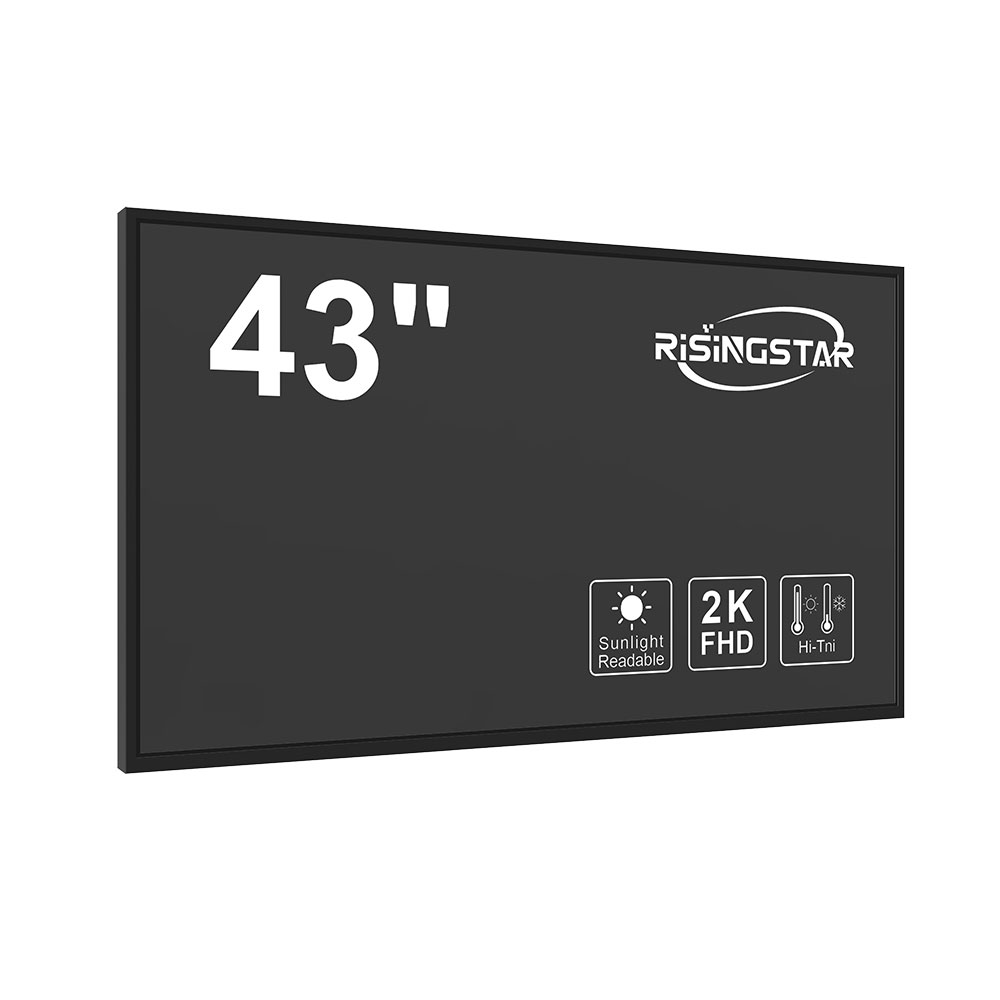
Selecting the appropriate LCD display for industrial applications is critical to ensuring optimal performance, reliability, and longevity in demanding environments. Unlike consumer-grade displays, industrial LCDs must withstand extreme temperatures, mechanical stress, electromagnetic interference (EMI), and prolonged operational cycles. A well-chosen display not only enhances system functionality but also reduces maintenance costs and downtime.
First, consider the operating environment. Industrial settings often involve temperature ranges from -40°C to +85°C, making thermal stability a top priority. Displays with wide temperature tolerance—such as those using TN (Twisted Nematic) or IPS (In-Plane Switching) panels—are ideal for such conditions. For example, Sharp’s LQ104V1LG11 and LG Display’s LP104WU2-TL1 are widely used in automation systems due to their robust thermal performance.
Second, evaluate brightness and viewing angles. In outdoor or high-glare environments, a minimum brightness of 1000 cd/m² is recommended. High-brightness LED-backlit displays, like those from AU Optronics (e.g., B101HAN01.0), offer excellent visibility under direct sunlight. Additionally, IPS technology ensures consistent image quality across wide viewing angles (up to 178°), which is essential for multi-user control panels.
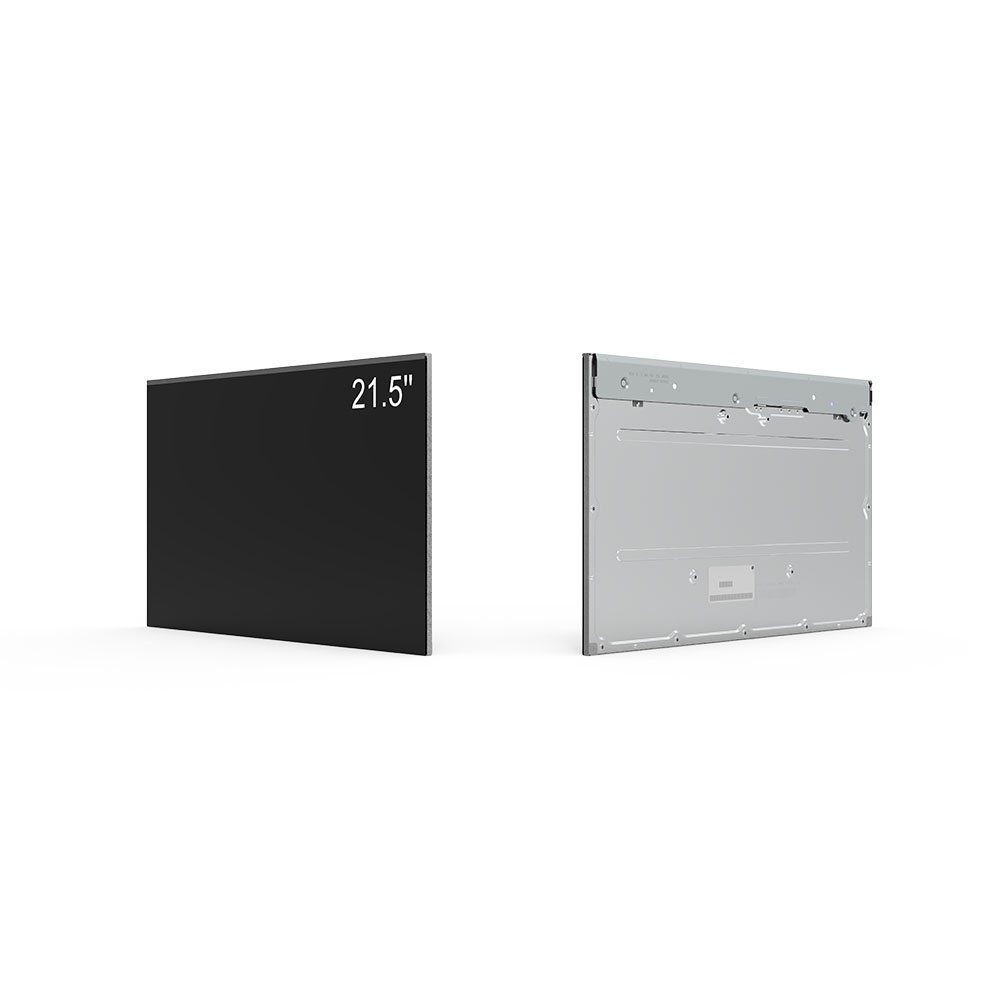
Third, assess durability and environmental resistance. IP65-rated displays with anti-glare coatings and ruggedized housings are common in manufacturing plants or transportation equipment. These features protect against dust, moisture, and accidental impacts. MIL-STD-810G certification, which tests shock, vibration, and altitude resilience, should be considered for military or aerospace applications.
Fourth, ensure compatibility with industrial communication protocols such as RS-232/485, CANbus, or Ethernet. Many modern LCD modules integrate directly with PLCs (Programmable Logic Controllers), enabling seamless integration into SCADA systems. For instance, Winstar’s WQVGA TFT modules support serial communication and come with built-in drivers compatible with ARM Cortex-M processors.
Finally, prioritize long-term availability and technical support. Industrial-grade displays typically have a 5–10 year production lifespan and are backed by manufacturers offering lifetime firmware updates and repair services. Choosing suppliers like EKTA, PVI, or C&K Technologies ensures access to comprehensive datasheets, reference designs, and application engineering support.
By aligning display specifications with application requirements—from environmental resilience to communication protocols—engineers can future-proof their systems and achieve higher ROI. Proper selection minimizes failures, supports regulatory compliance (e.g., IEC 60950-1 for safety), and contributes to sustainable operations in harsh industrial environments.