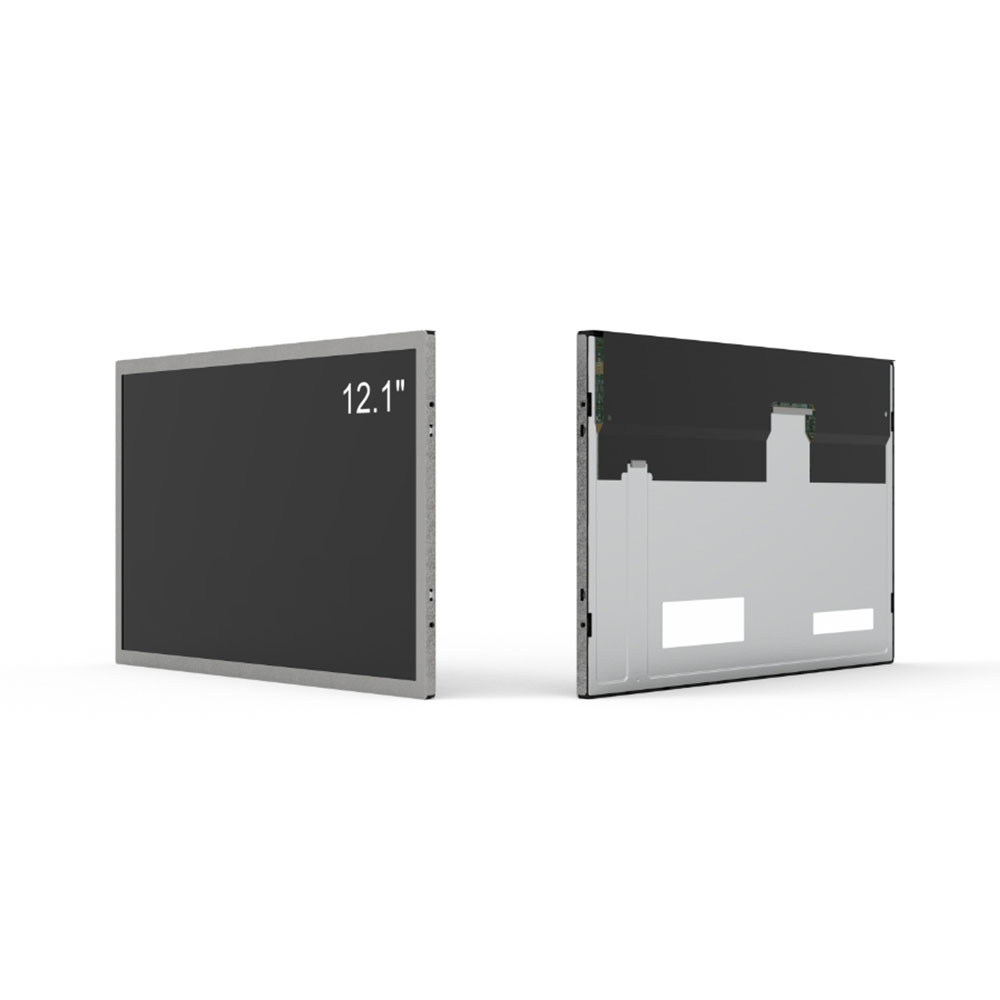
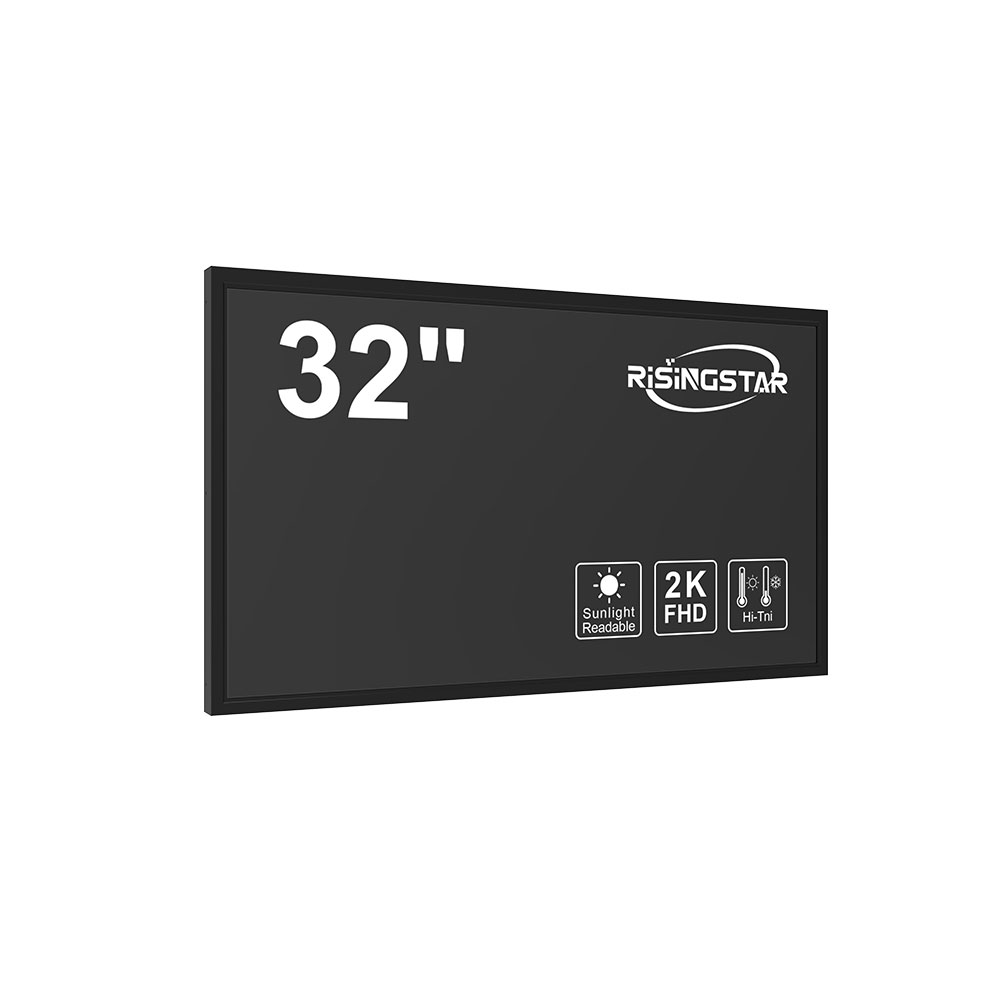
Selecting the appropriate LCD panel for industrial applications requires a thorough understanding of environmental conditions, operational demands, and long-term reliability. Unlike consumer-grade displays, industrial LCDs must function reliably in extreme temperatures, high humidity, or high-vibration environments—such as manufacturing floors, transportation systems, or outdoor kiosks.
First, consider the display’s operating temperature range. Industrial panels typically support extended temperature ranges—from -30°C to +70°C—compared to standard panels limited to 0°C–50°C. For example, Sharp’s LV104WX2-LEB and LG Display’s LQ104V1LG11 are designed for harsh environments with wide operating temperature tolerances, ensuring stable performance under thermal stress.
Second, assess brightness and contrast ratio. Industrial applications often require visibility in direct sunlight or dimly lit control rooms. A minimum brightness of 1000 nits is recommended for outdoor use, while higher contrast ratios (e.g., 1000:1 or more) enhance image clarity in low-light scenarios. Samsung’s S6E3HA0X01 driver IC supports dynamic contrast enhancement, improving readability across diverse lighting conditions.

Third, evaluate mechanical durability. Panels used in mobile equipment or ruggedized enclosures should be tested against MIL-STD-810G standards for shock and vibration resistance. Gorilla Glass or reinforced polycarbonate covers further protect against physical damage.
Fourth, power consumption and thermal management matter. Low-power panels such as those using IPS or VA technology reduce heat generation and energy costs in 24/7 operations. For instance, AU Optronics’ E070WU01 V1 uses an optimized backlight system that reduces power consumption by up to 25% compared to older models.
Finally, ensure compatibility with industrial interfaces like RS-485, CAN bus, or HDMI. Many manufacturers offer customizable firmware for integration into PLC-based systems or SCADA networks.
In conclusion, choosing the right LCD panel involves balancing technical specifications with real-world performance requirements. Always refer to industry standards such as IEC 60068 (environmental testing) and consult certified suppliers for application-specific validation. This approach ensures not only functionality but also longevity and reduced maintenance costs over time.