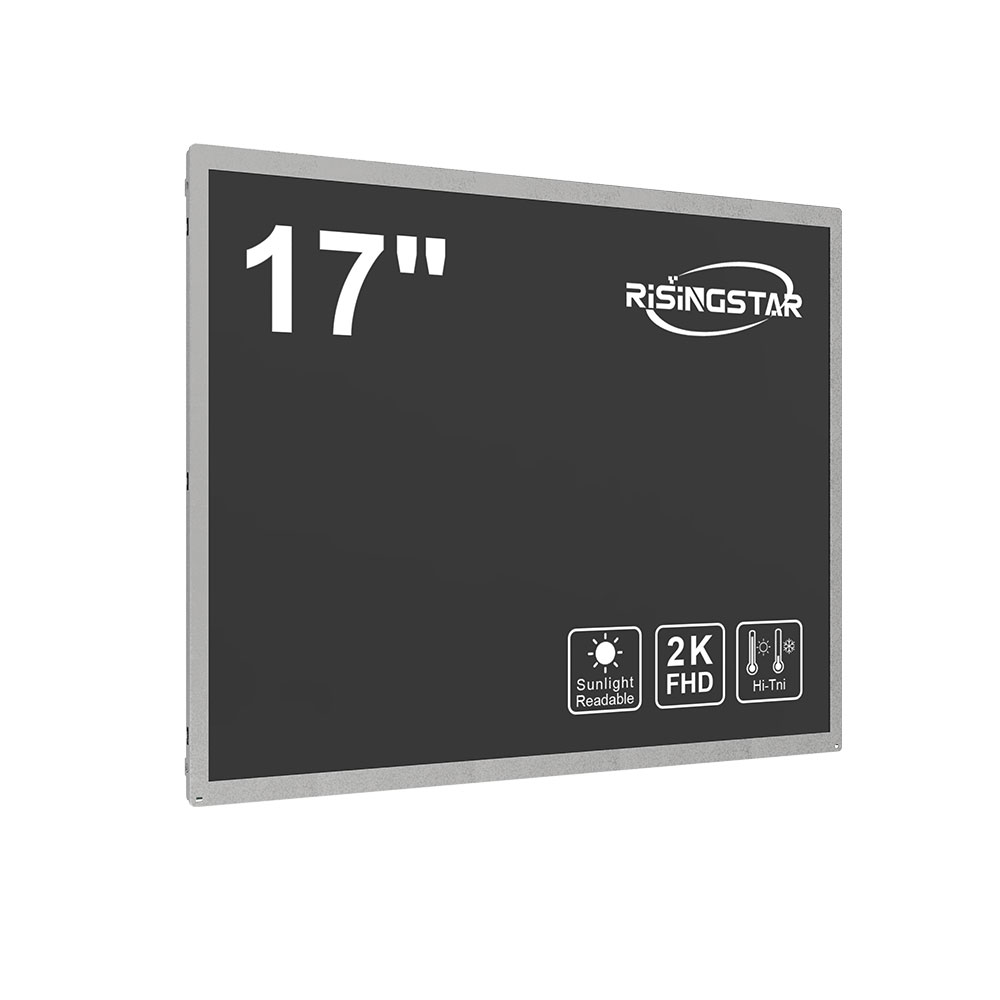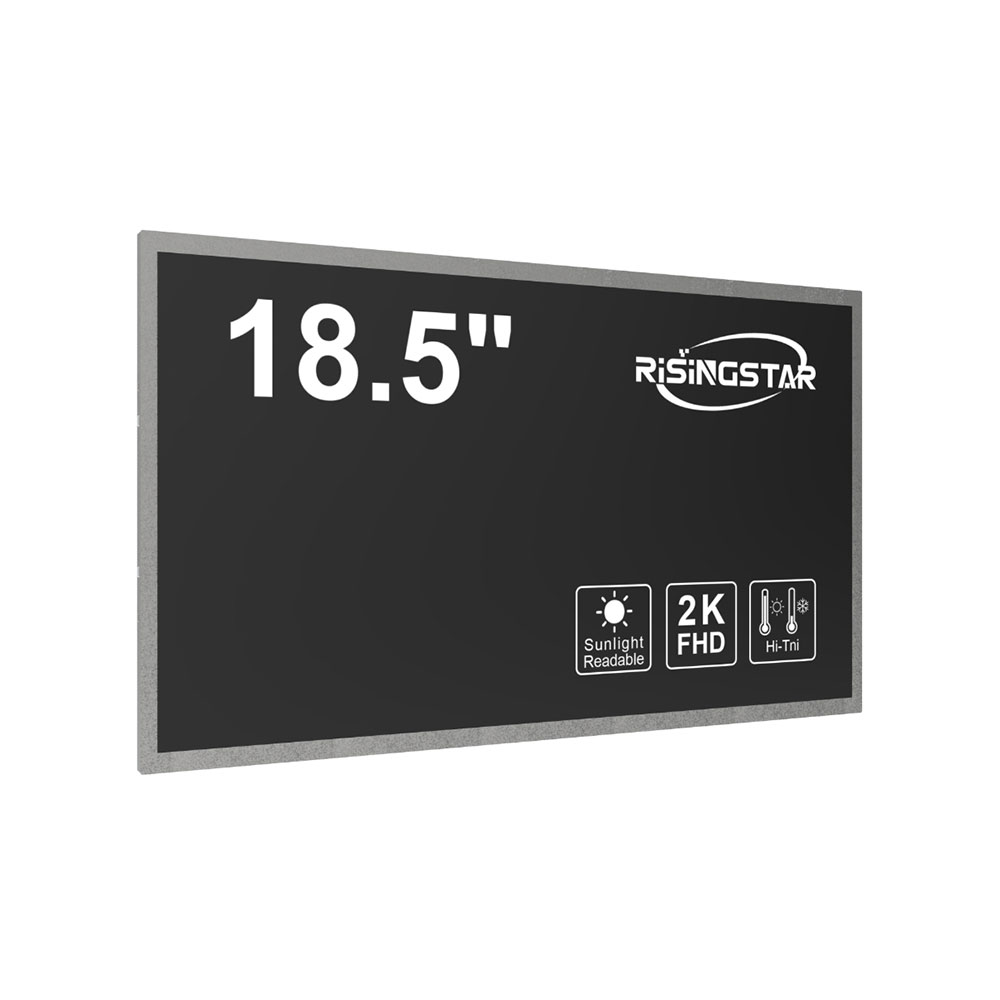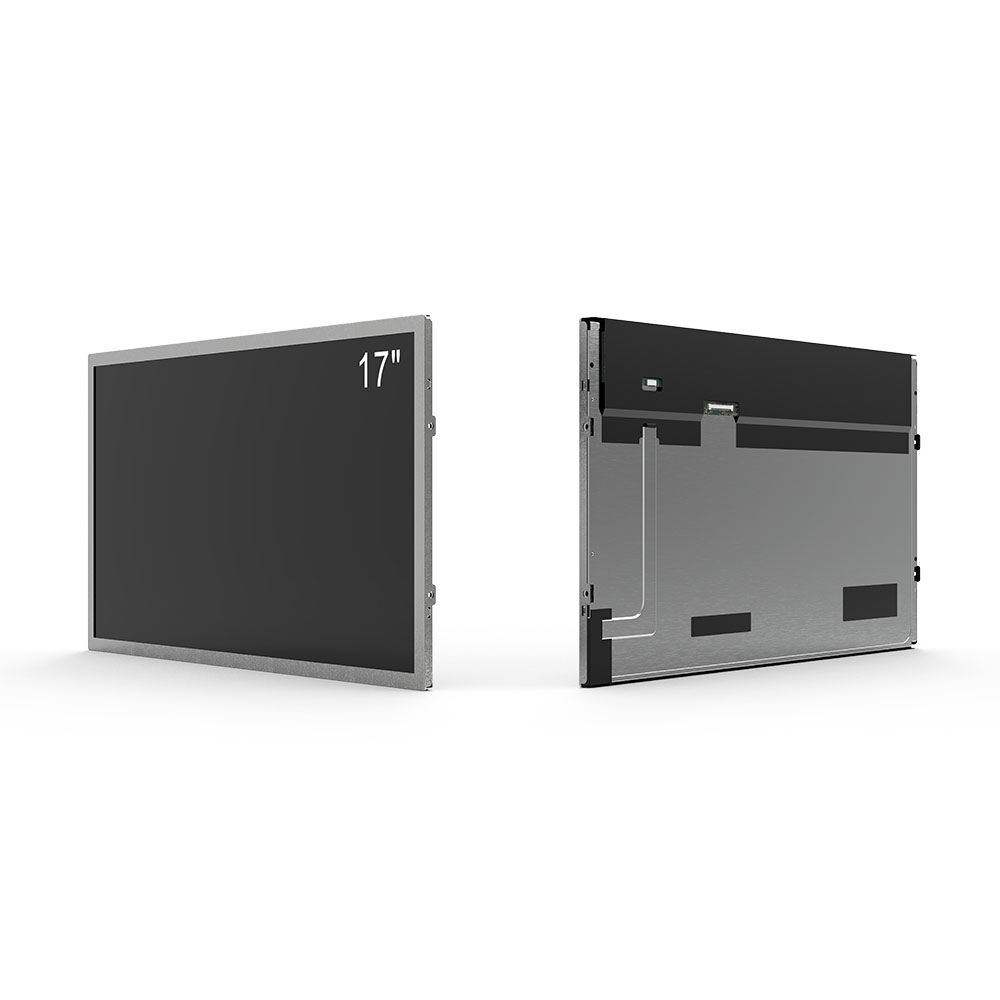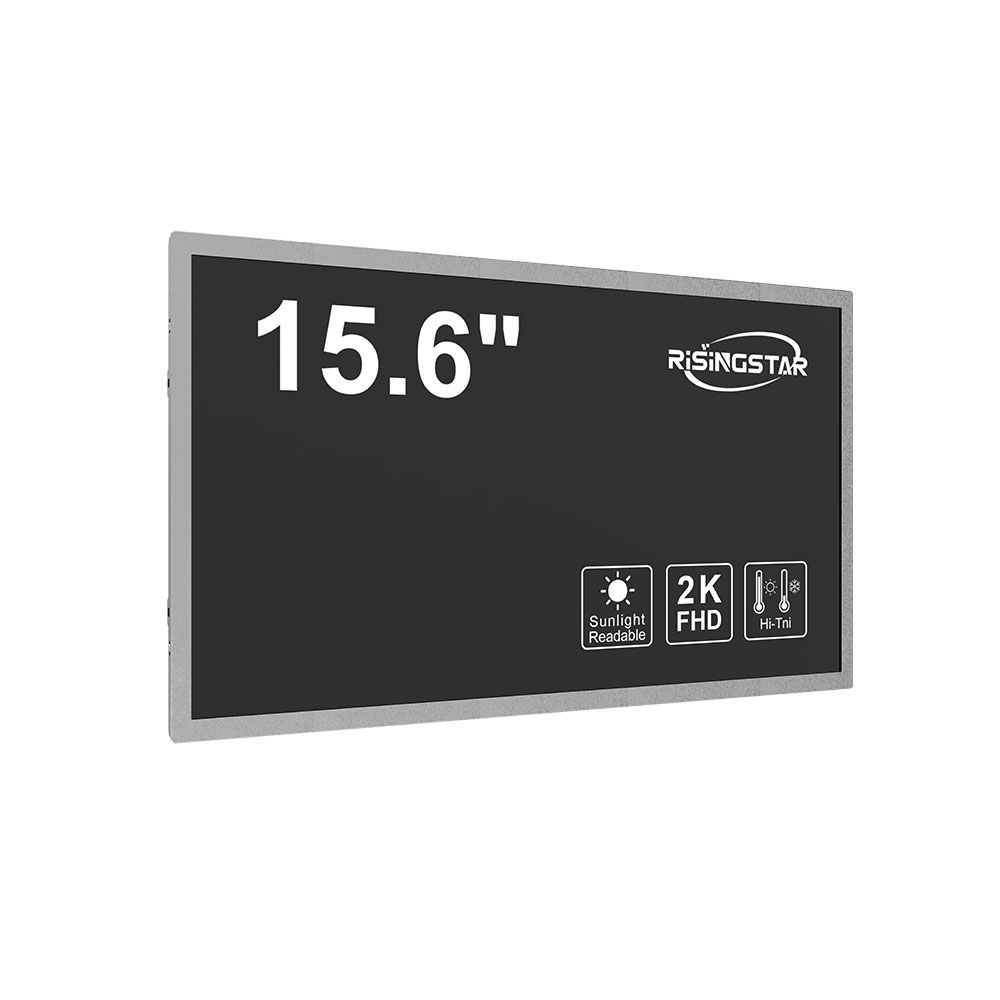
Selecting the correct LCD panel for your display application is critical to ensuring optimal performance, longevity, and cost-efficiency. Whether you're designing a consumer electronics device, an industrial control system, or a medical monitor, understanding the key parameters of LCD technology—such as resolution, brightness, contrast ratio, viewing angle, and response time—is essential.
For consumer-grade applications like smartphones and tablets, IPS (In-Plane Switching) panels are commonly preferred due to their wide viewing angles and color accuracy. According to a 2023 report by Display Supply Chain Consultants (DSCC), over 65% of smartphone displays use IPS technology. In contrast, for industrial or automotive environments where durability and low power consumption matter, TN (Twisted Nematic) panels remain popular despite narrower viewing angles. These panels offer faster response times (often under 1ms), making them ideal for dynamic content such as vehicle dashboards or factory automation interfaces.
Medical and professional applications demand high precision. Here, VA (Vertical Alignment) panels are often chosen for their superior contrast ratios—up to 4,000:1—which enhance image clarity in diagnostic imaging systems. The IEC 60601-1 standard mandates that medical-grade LCDs must maintain consistent luminance across all operating temperatures, emphasizing the need for temperature-stable panels with built-in calibration features.
Another crucial factor is environmental resilience. Panels used in outdoor kiosks or military equipment must meet IP65 or higher ratings for dust and water resistance. For example, Sharp’s LB-121WQ01 panel, designed for outdoor use, operates reliably from -20°C to +70°C and features a brightness level exceeding 5,000 nits—a requirement confirmed by the MIL-STD-810G military standards.
Power efficiency also plays a significant role, especially in battery-powered devices. OLED-based LCD hybrids (like Samsung’s QLED) offer improved energy savings compared to traditional LED-backlit models. However, they come at a higher price point, so cost-benefit analysis is vital when selecting between technologies.
Ultimately, choosing the right LCD panel involves balancing technical specifications with real-world constraints—budget, environment, intended use, and regulatory compliance. By referencing industry benchmarks such as the VESA DisplayPort standard for connectivity and the Energy Star program for efficiency, designers can make informed decisions that align with both user expectations and global best practices.