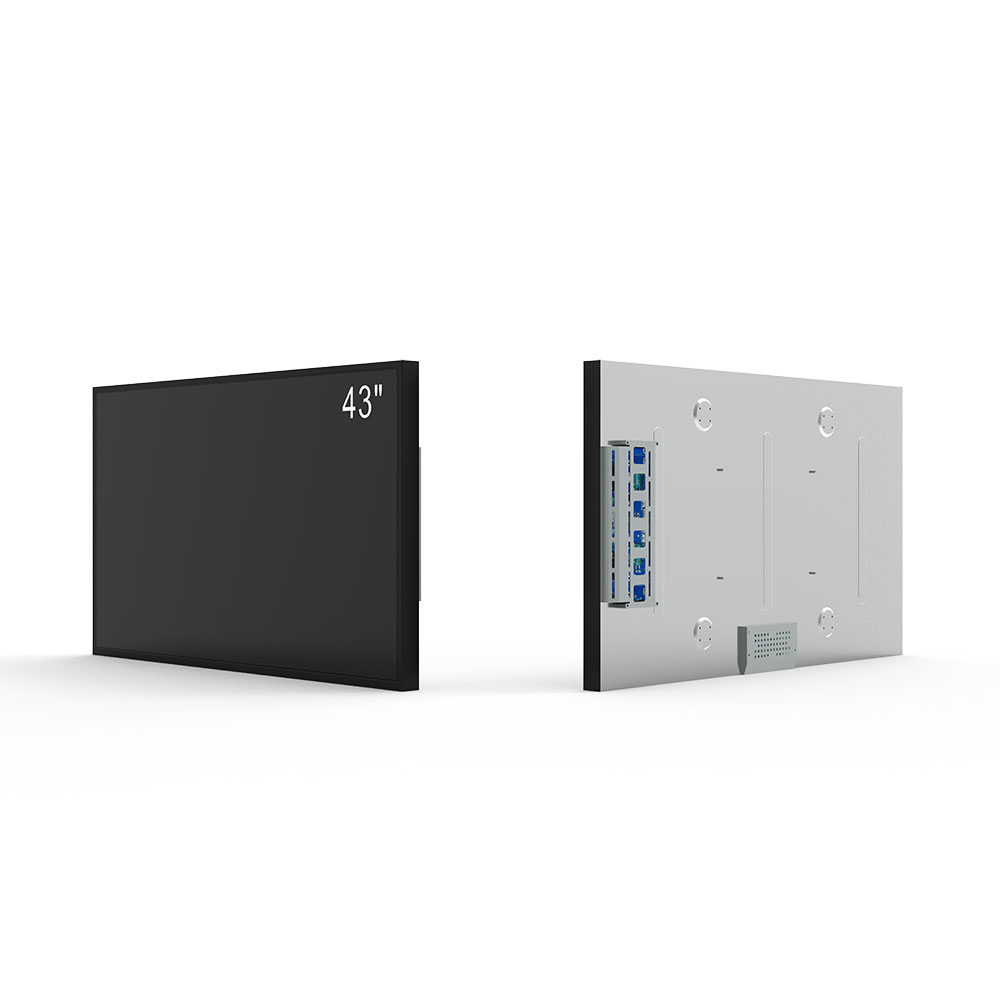
In today’s rapidly evolving industrial and consumer electronics landscape, the demand for durable, weather-resistant devices is higher than ever. Among the most widely recognized protection standards is the IP66 rating—a critical benchmark for both manufacturers and end users seeking robust performance under extreme conditions.
The Ingress Protection (IP) code, established by the International Electrotechnical Commission (IEC), defines a device’s resistance to solid particles and liquids. The first digit (6) indicates total protection against dust ingress—meaning no dust can enter the enclosure, ensuring internal components remain clean and functional even in dusty or sandy environments like construction sites, mining operations, or desert regions. The second digit (6) specifies that the device can withstand powerful water jets from any direction, such as heavy rain, hose-down cleaning, or exposure to high-pressure spray—without harmful water penetration.
IP66-rated products are commonly found in outdoor lighting systems, surveillance cameras, industrial control panels, and marine equipment. For instance, an IP66-rated LED floodlight used in a coastal port will maintain its functionality despite saltwater exposure and constant wind-driven rain. Similarly, IP66 waterproof smartphones and rugged tablets are trusted by field engineers, emergency responders, and military personnel who operate in unpredictable weather.
What makes IP66 particularly valuable is its balance of practicality and performance. Unlike higher ratings such as IP67 or IP68—which require full submersion in water—IP66 is more achievable in mass production while still offering strong protection. Manufacturers often use sealed enclosures, gaskets, O-rings, and conformal coatings to meet these standards. Testing involves simulated rainfall and high-pressure water jets at 100 liters per minute for 3 minutes, per IEC 60529 standards.
Moreover, IP66 compliance is not just about durability—it enhances product longevity, reduces maintenance costs, and improves safety in hazardous environments. According to a 2023 report by Grand View Research, the global waterproof electronics market is projected to grow at a CAGR of 6.4% through 2030, driven largely by increased adoption of IP66-certified devices in smart city infrastructure and industrial IoT applications.
For consumers and businesses alike, choosing IP66-rated products means investing in reliability, resilience, and long-term value—especially when operating in demanding conditions where failure is not an option.