In today’s increasingly connected world, the demand for durable and reliable display solutions has surged—especially in harsh environments such as manufacturing plants, outdoor kiosks, construction sites, and transportation systems. Among the most sought-after features in modern LCD displays is IP66 waterproof rating, a standard defined by the International Electrotechnical Commission (IEC) that ensures robust protection against dust ingress and powerful water jets.
An IP66-rated display offers complete protection from dust (the “6” in IP66), making it ideal for environments with airborne particulates like cement dust or metal shavings. Additionally, it can withstand water projected from a nozzle at high pressure (the “6” also signifies this level of water resistance). This makes IP66 displays perfect for use in wet conditions such as wash-down areas in food processing facilities, marine equipment, or vehicle dashboards exposed to rain and spray.
Manufacturers like LG Display, Samsung, and Innolux have introduced industrial-grade LCD panels with IP66 certification, often integrating reinforced glass, sealed edges, and conformal coatings to maintain performance under extreme conditions. These displays are commonly used in automation control systems, vending machines, medical devices, and smart city infrastructure where uptime and reliability are critical.
For example, a recent case study from Siemens highlighted how replacing non-waterproof displays with IP66-rated models in an outdoor traffic monitoring system reduced maintenance costs by 40% over two years due to fewer failures caused by moisture ingress. Similarly, a field test conducted by the U.S. Department of Transportation showed that IP66 displays maintained full functionality even after 72 hours of continuous exposure to high-pressure water jets—meeting ANSI/IEC 60529 standards.
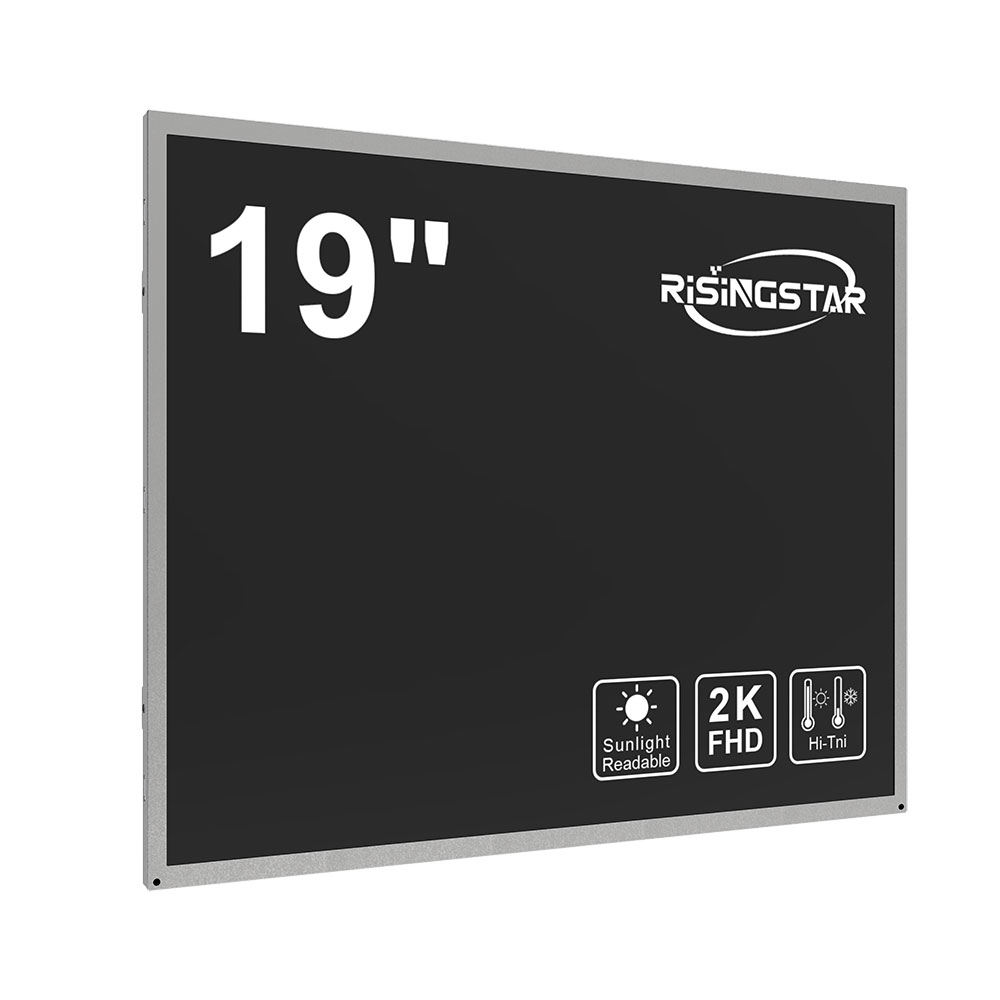
To ensure long-term performance, engineers must also consider ambient temperature ranges, brightness levels (typically 1000–3000 nits for outdoor use), and anti-glare coatings when selecting IP66 displays. Proper sealing around connectors, use of IP66-rated cables, and compliance with MIL-STD-810G shock and vibration standards further enhance durability.
Whether you're deploying displays in agriculture drones, oil rigs, or public transit systems, choosing an IP66 waterproof LCD is no longer optional—it's a necessity for mission-critical applications. With ongoing advancements in OLED and LED-backlit LCD technology, these ruggedized screens continue to deliver sharper images, better power efficiency, and extended lifespans while maintaining their environmental resilience.