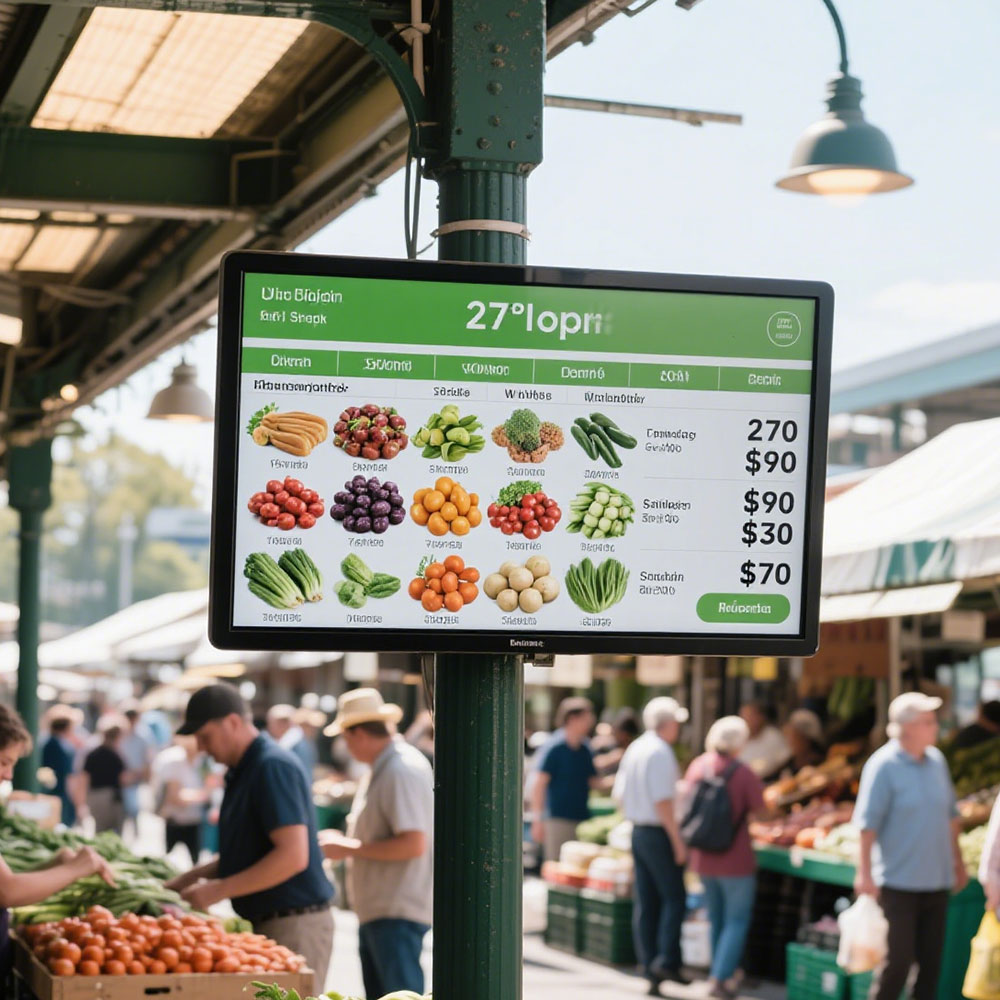
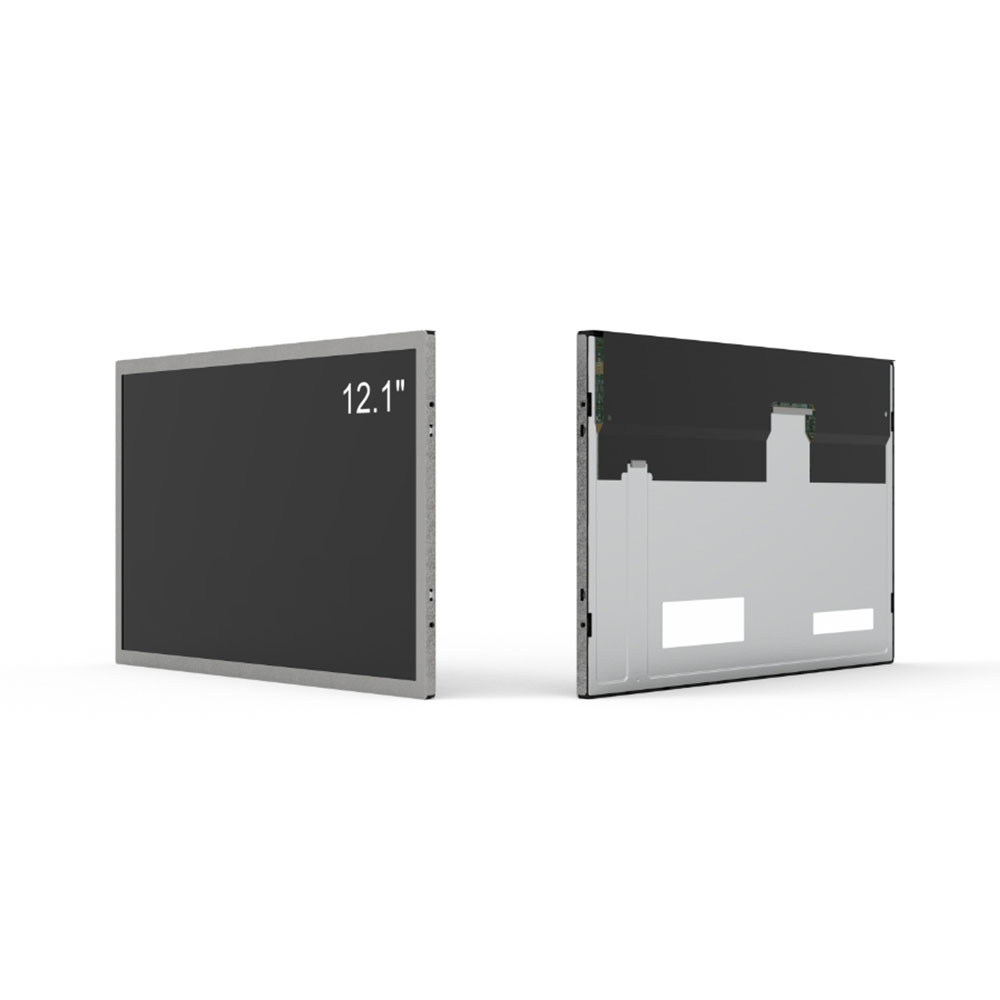
When designing outdoor LCD screens for public information systems, digital signage, or industrial monitoring applications, selecting the correct display ratio is critical—not just for visual clarity but also for integration with existing hardware and environmental constraints. Among the most commonly used ratios in outdoor LCDs is the 4:3 aspect ratio, which remains highly relevant for legacy compatibility, precise data visualization, and optimal viewing in fixed-position setups.
For 15", 17", and 19" outdoor LCD screens, a 4:3 display ratio offers several technical advantages. First, it aligns with traditional CRT-era standards still used in many industrial control panels, medical equipment, and transportation systems—ensuring backward compatibility without costly software reconfiguration. Second, the 4:3 format provides more vertical space than modern 16:9 models, making it ideal for displaying dense text-based content such as real-time status updates, weather data, or inventory logs in environments like factories, bus stations, or retail kiosks.
From an engineering standpoint, 4:3 displays are easier to backlight uniformly across larger screen sizes like 19", reducing hotspots and ensuring consistent brightness—a key factor in outdoor visibility under direct sunlight. According to the International Electrotechnical Commission (IEC) standard IEC 62305-3, outdoor displays must maintain luminance levels above 5,000 cd/m² to remain legible in daylight; 4:3 configurations often achieve this more efficiently due to their simpler pixel architecture and fewer LED driver circuits compared to widescreen formats.
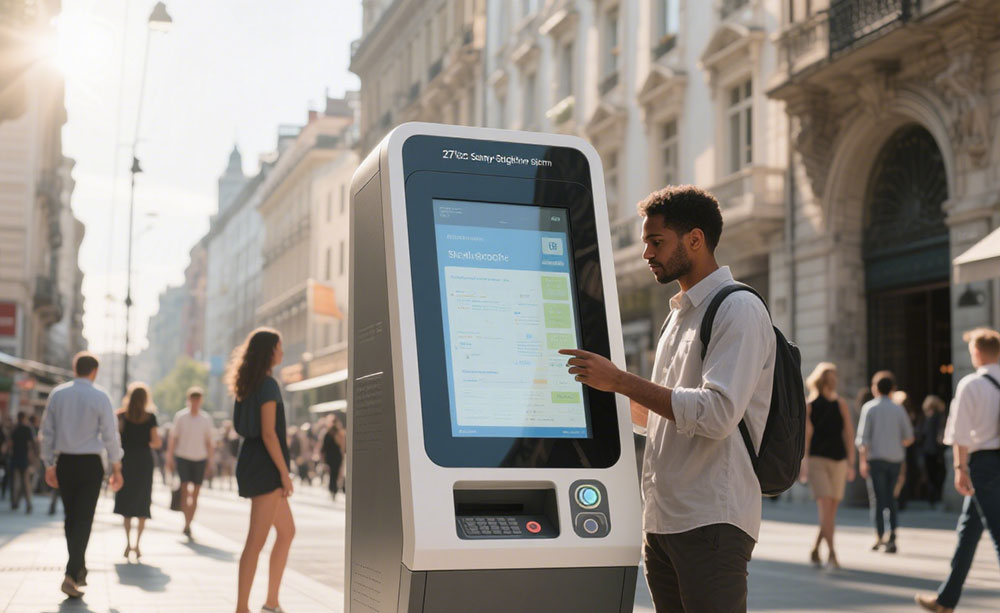
Additionally, manufacturers like LG, Samsung, and NEC have historically optimized their outdoor LCD product lines—including the 15" LP150WQ1-TL01, 17" L170XW1-LF01, and 19" L190XW1-LF01—for 4:3 ratios, offering enhanced contrast ratios (typically 1000:1 or higher), IP65-rated enclosures, and wide operating temperature ranges (-20°C to +60°C). These models are widely deployed in traffic management systems, airport departure boards, and construction site command centers where reliability and readability trump cinematic aesthetics.
In summary, while 16:9 has dominated consumer markets, 4:3 remains the preferred choice for professional outdoor LCD deployments requiring precision, durability, and consistent performance. Whether you're sourcing a 15" unit for a mobile service van or a 19" screen for a parking lot control system, choosing a 4:3 display ensures better ROI, fewer maintenance issues, and long-term operational efficiency.