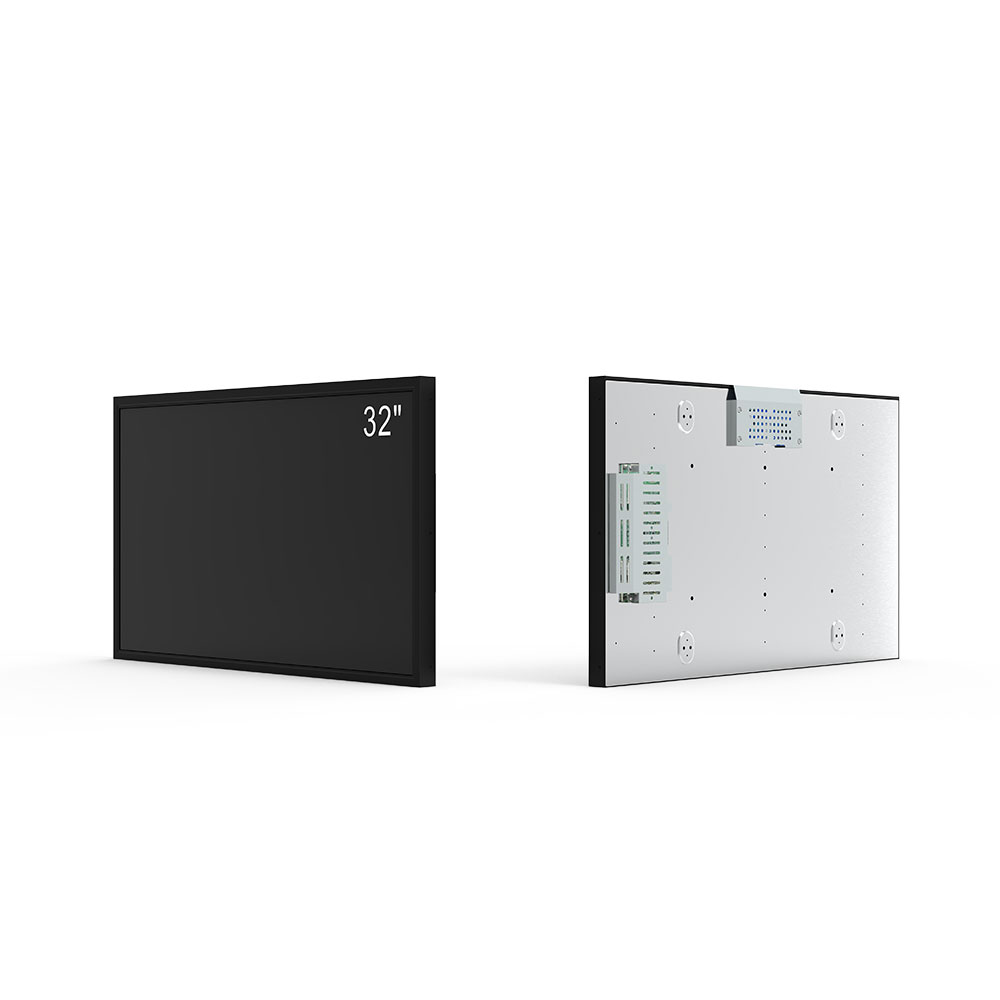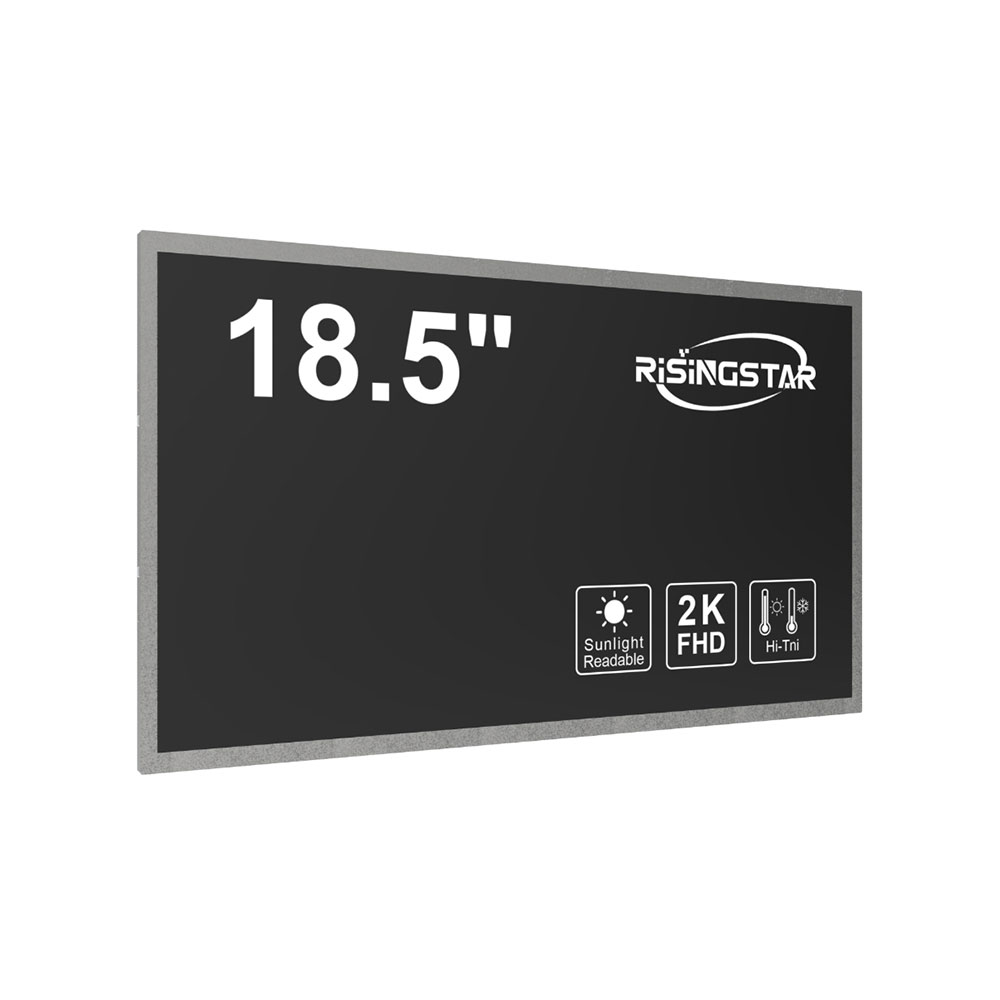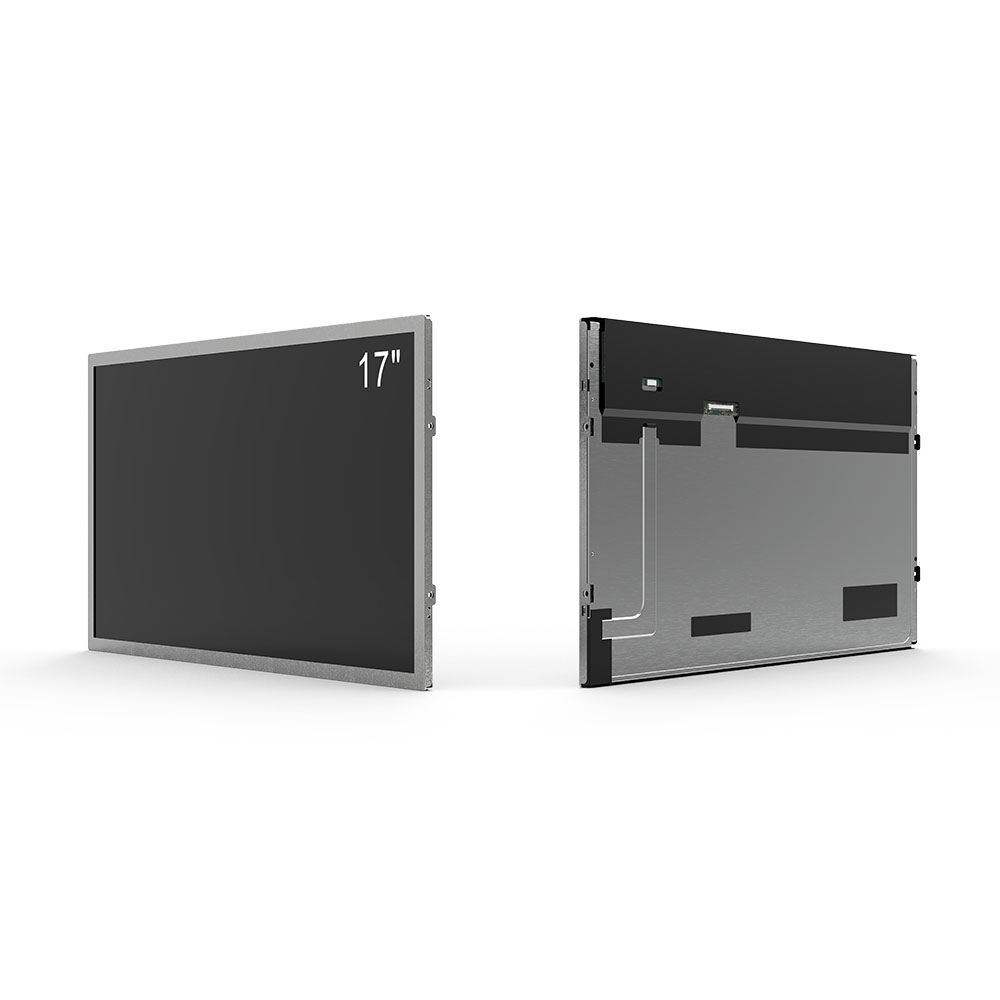
When selecting an outdoor LCD display for industrial applications, manufacturers and distributors must prioritize durability, visibility, and performance under extreme environmental conditions. Unlike indoor displays, outdoor units face constant exposure to sunlight, temperature fluctuations, moisture, dust, and mechanical stress—factors that can rapidly degrade image quality and system reliability.
First, consider brightness levels. Industry standards such as IEC 60068-2-1 (Cold Test) and IEC 60068-2-2 (Dry Heat Test) recommend a minimum of 5,000 nits for direct sunlight visibility. High-brightness panels (up to 10,000 nits) are essential in environments like construction sites, ports, or solar farms where ambient light exceeds 10,000 lux. Brands like LG, Samsung, and BOE have tested their outdoor-grade panels in real-world conditions across North America, Europe, and Southeast Asia, confirming consistent performance above 7,000 nits even at 40°C ambient temperatures.
Second, evaluate ingress protection (IP rating). For industrial use, IP65 or higher is mandatory to prevent dust and water ingress. IP65-rated displays feature sealed enclosures with gasketed seams and fanless designs, which reduce maintenance needs—a critical factor for remote installations. A case study from a European logistics company showed that replacing standard IP54 displays with IP67-rated units reduced field failures by 68% over two years.
Third, thermal management matters. Industrial LCDs must operate reliably between -30°C and +70°C without performance degradation. Passive cooling systems using aluminum heatsinks and advanced thermal interface materials (TIMs) outperform active fans in harsh settings. For example, a U.S.-based mining equipment manufacturer reported a 90% reduction in screen-related downtime after switching to convection-cooled displays.
Lastly, connectivity and integration. Modern outdoor displays support HDMI, DisplayPort, Ethernet, and RS-485 for remote monitoring and control. Compatibility with industrial protocols like Modbus or BACnet ensures seamless integration into existing SCADA systems.
In summary, choosing the right outdoor LCD means balancing brightness, environmental resilience, thermal design, and system compatibility—not just cost. With rigorous testing aligned to ISO 16750-3 (Mechanical Shock and Vibration) and MIL-STD-810G (Environmental Engineering), industry-leading manufacturers provide certified solutions tailored for global deployment.