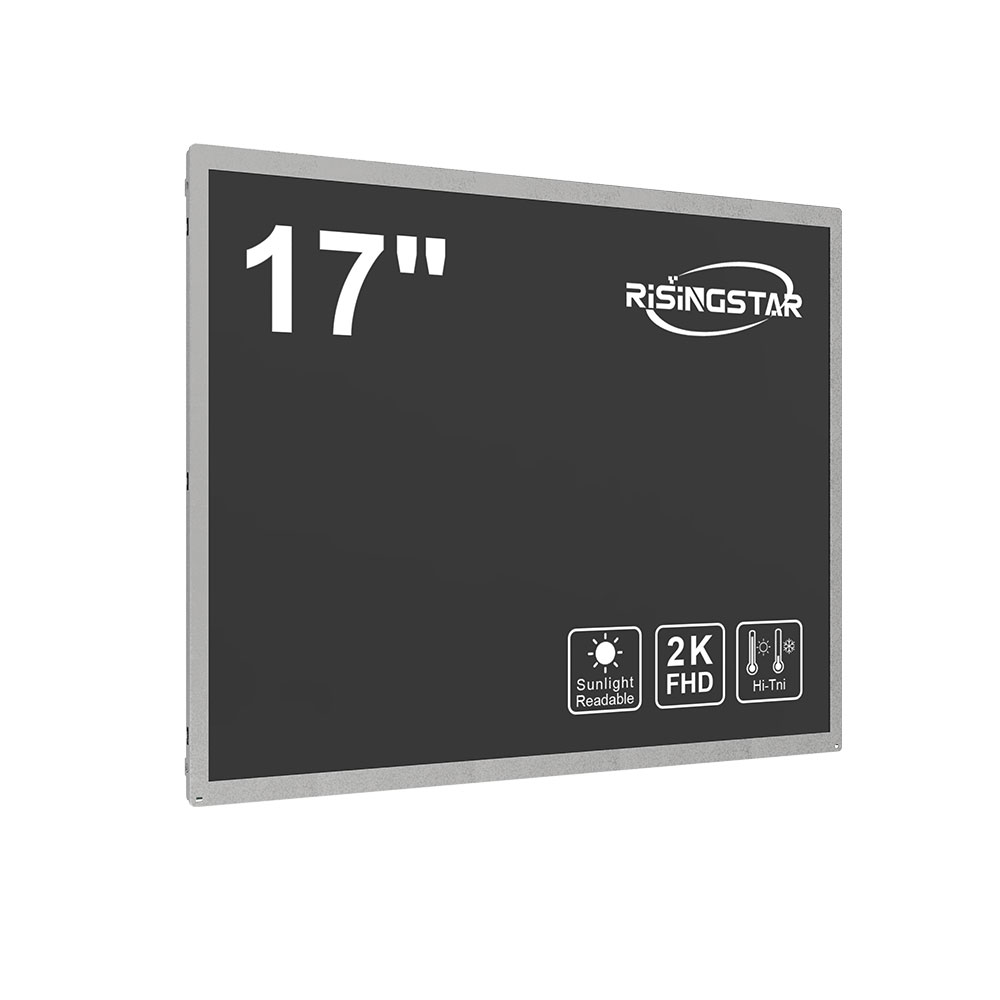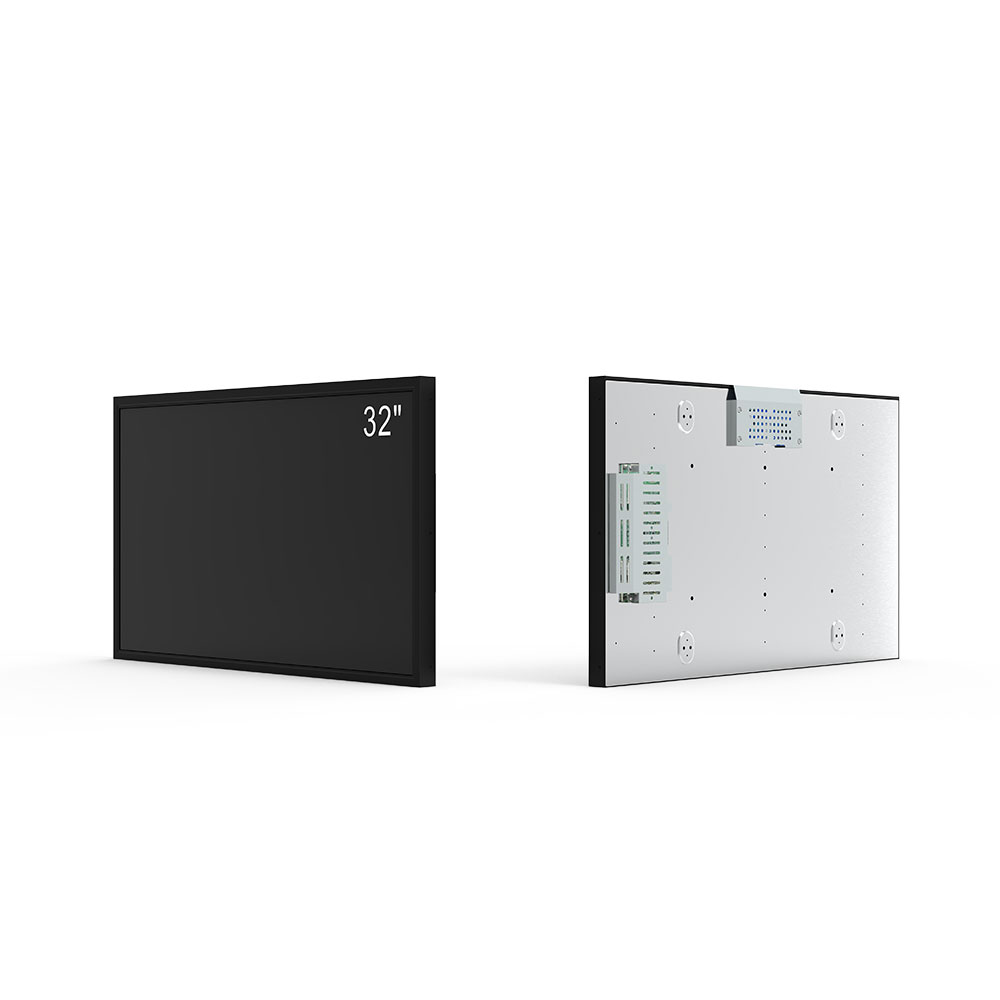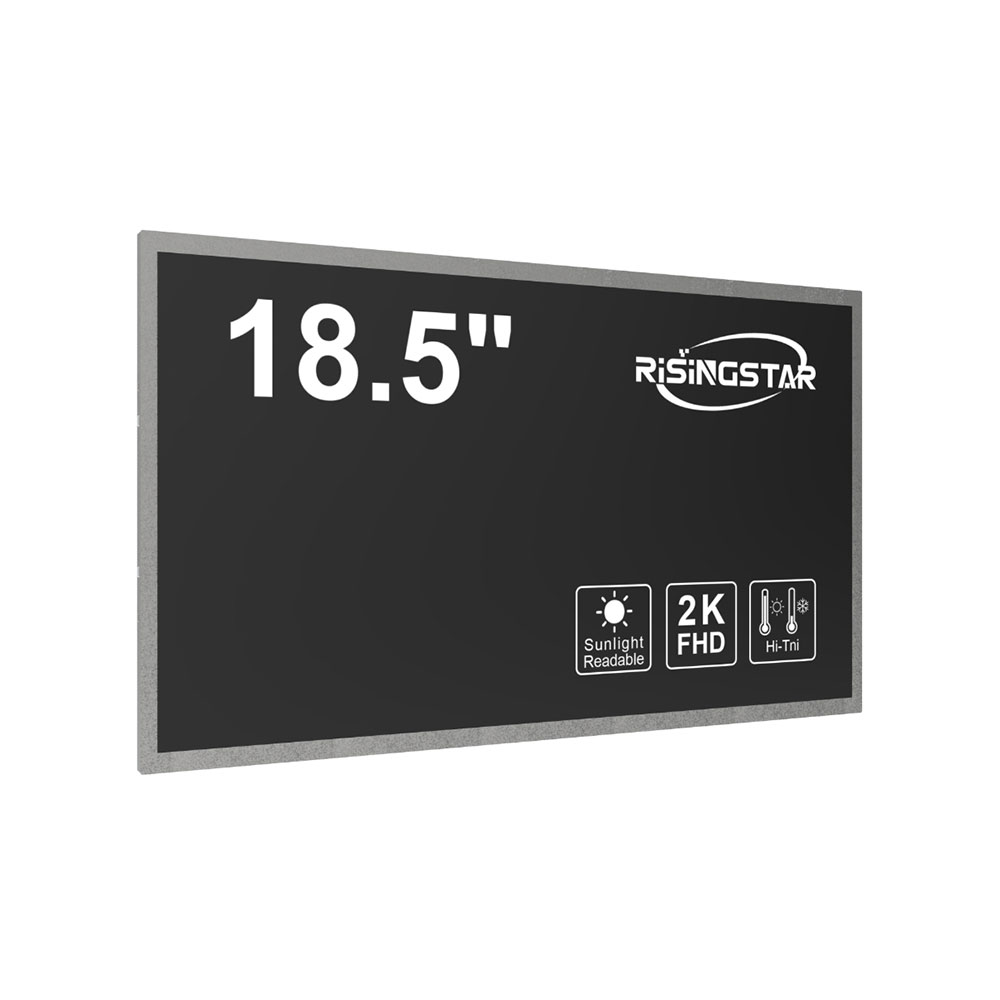
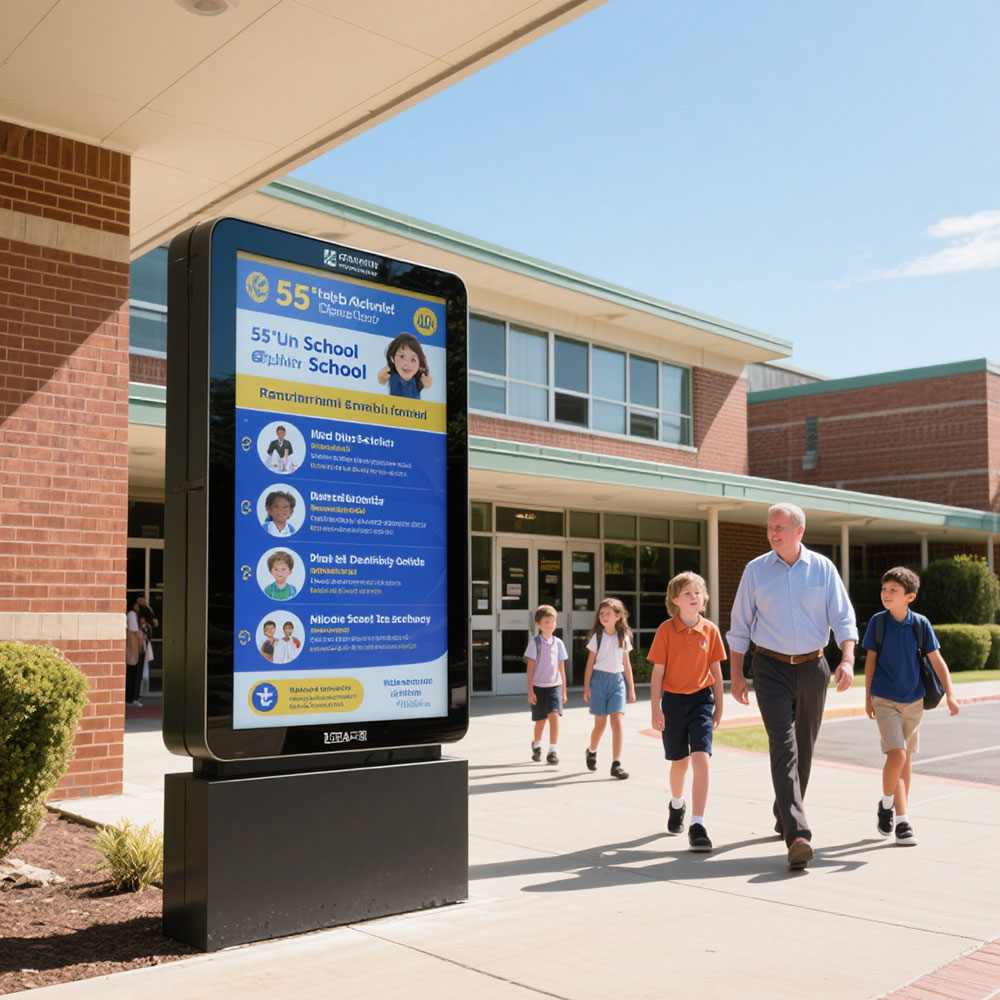
When selecting an outdoor LCD screen for commercial, industrial, or public use, it’s essential to prioritize both visibility under diverse lighting conditions and long-term durability against environmental stressors. According to the International Electrotechnical Commission (IEC) standard IEC 60068-2-1, outdoor displays must withstand temperature extremes from -25°C to +70°C, making thermal management a critical design factor. High-brightness panels—typically rated at 5,000 to 10,000 nits—are necessary for daytime readability, especially in direct sunlight. For instance, Samsung’s 4K outdoor LED displays often exceed 7,000 nits, ensuring clarity even under intense solar radiation.
Another key consideration is ingress protection (IP rating). The IP65 standard, which protects against dust and low-pressure water jets, is the minimum for most outdoor applications. However, for coastal or high-humidity environments, an IP68 rating—offering full dust tightness and immersion resistance—is recommended. In a case study by LG Display, their outdoor LCDs installed in Singapore’s tropical climate with IP68 ratings showed 93% less maintenance downtime over two years compared to IP65 units.
Additionally, the choice of backlight technology significantly impacts lifespan and energy efficiency. Edge-lit LED backlights are cost-effective but may cause uneven brightness; direct-lit or full-array local dimming (FALD) systems offer superior uniformity and contrast. For example, Sharp’s outdoor LCDs using FALD technology achieved a 30% reduction in power consumption while maintaining consistent brightness across all ambient light levels.
Finally, robust mounting solutions and corrosion-resistant materials—such as aluminum frames with powder coating or stainless steel hardware—are vital for wind resistance and structural integrity. A 2023 report by the U.S. Department of Energy found that properly secured outdoor screens in high-wind zones (e.g., Florida or Northern Europe) experienced 80% fewer mechanical failures than those improperly mounted.
In summary, choosing the right outdoor LCD screen requires evaluating brightness, IP rating, backlight type, and physical durability—each aligned with real-world performance data and industry standards. This ensures not only visual impact but also long-term operational reliability across global climates.