When selecting a sunlight readable LCD screen for industrial applications, engineers and procurement teams must prioritize brightness, contrast ratio, and environmental resilience. Unlike consumer-grade displays, industrial screens must function reliably under extreme conditions—from direct sunlight to high humidity or vibration. A key benchmark is the luminance requirement: most industrial environments demand a minimum of 1,500 nits, with premium models reaching up to 5,000 nits. For example, in outdoor construction equipment or military field gear, visibility at 3,000+ nits ensures clear display even under full sun exposure.
Another critical factor is the type of backlighting technology used. LED-backlit LCDs are now standard due to their energy efficiency and brightness uniformity. However, for ultra-high-brightness needs (e.g., solar farms or maritime operations), cold cathode fluorescent lamps (CCFL) may still be considered—but they’re being phased out due to shorter lifespan and higher power consumption. Modern solutions often integrate local dimming or dynamic contrast control to optimize brightness only where needed, reducing heat and extending screen life.
Contrast ratio is equally vital. While 1,000:1 is typical for office monitors, industrial displays must exceed 3,000:1 to maintain legibility in bright ambient light. This is achieved through advanced polarizer coatings, anti-reflective layers, and sometimes active matrix addressing technologies like IPS or TN panels optimized for outdoor use.
Environmental durability cannot be overlooked. The International Electrotechnical Commission (IEC) standard IP65 defines dustproof and water-resistant enclosures—essential for factory floors, mining sites, or food processing plants. Additionally, ruggedized screens should comply with MIL-STD-810G for shock and vibration resistance, especially in mobile platforms such as drones or armored vehicles.
Case studies from leading manufacturers like Crystalfontz and Eizo confirm that integrating these features results in systems with >99% uptime in harsh environments. In one logistics company’s deployment, replacing standard LCDs with 3,500-nit sunlight-readable screens reduced operator errors by 42% during daytime operations.
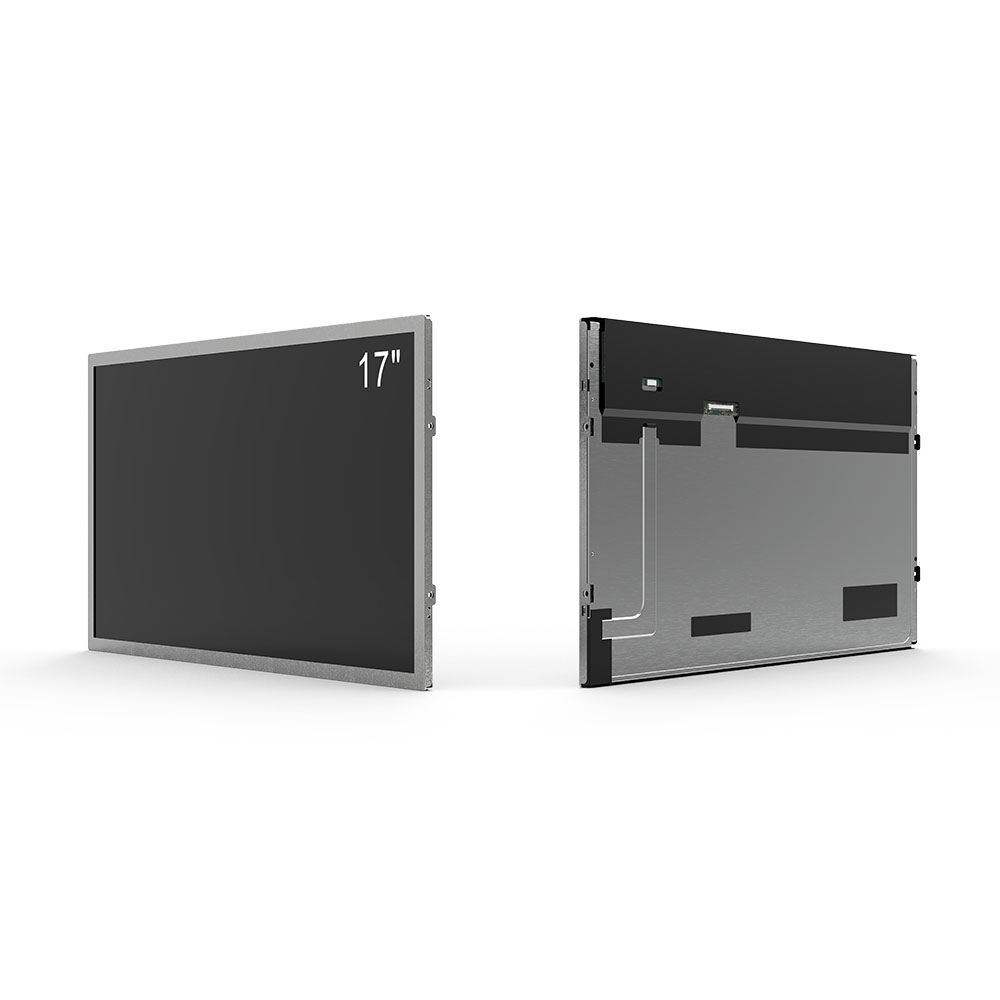
Finally, consider total cost of ownership—not just upfront price. High-brightness screens may cost more initially but save significantly over time through lower maintenance, fewer replacements, and improved operational safety. Always request sample units and conduct real-world tests before bulk procurement.