
News
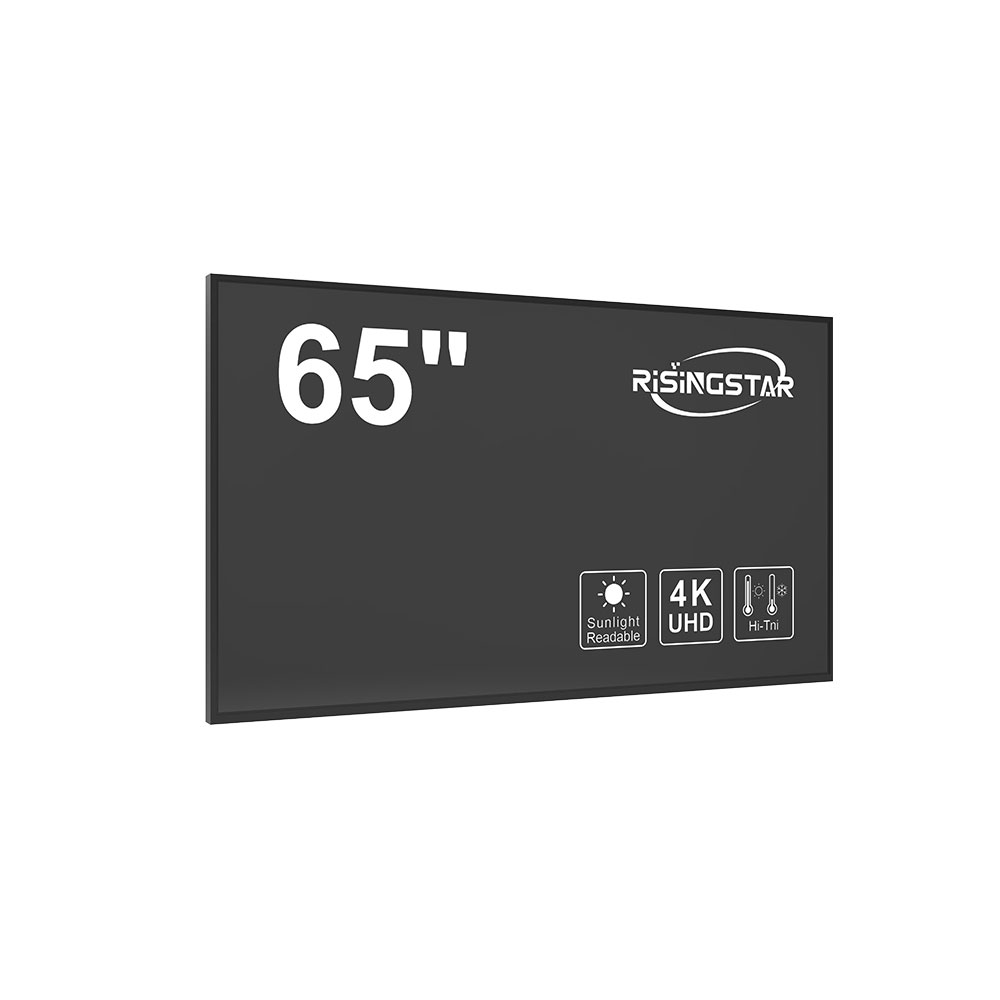
How to Choose the Right Outdoor LCD Screen for Maximum Visibility and Durability
When it comes to deploying digital signage in outdoor environments, selecting the right LCD screen is not just a matter of aesthetics—it’s a critical engineering decision that impacts performance, lon
Read More arrow_forward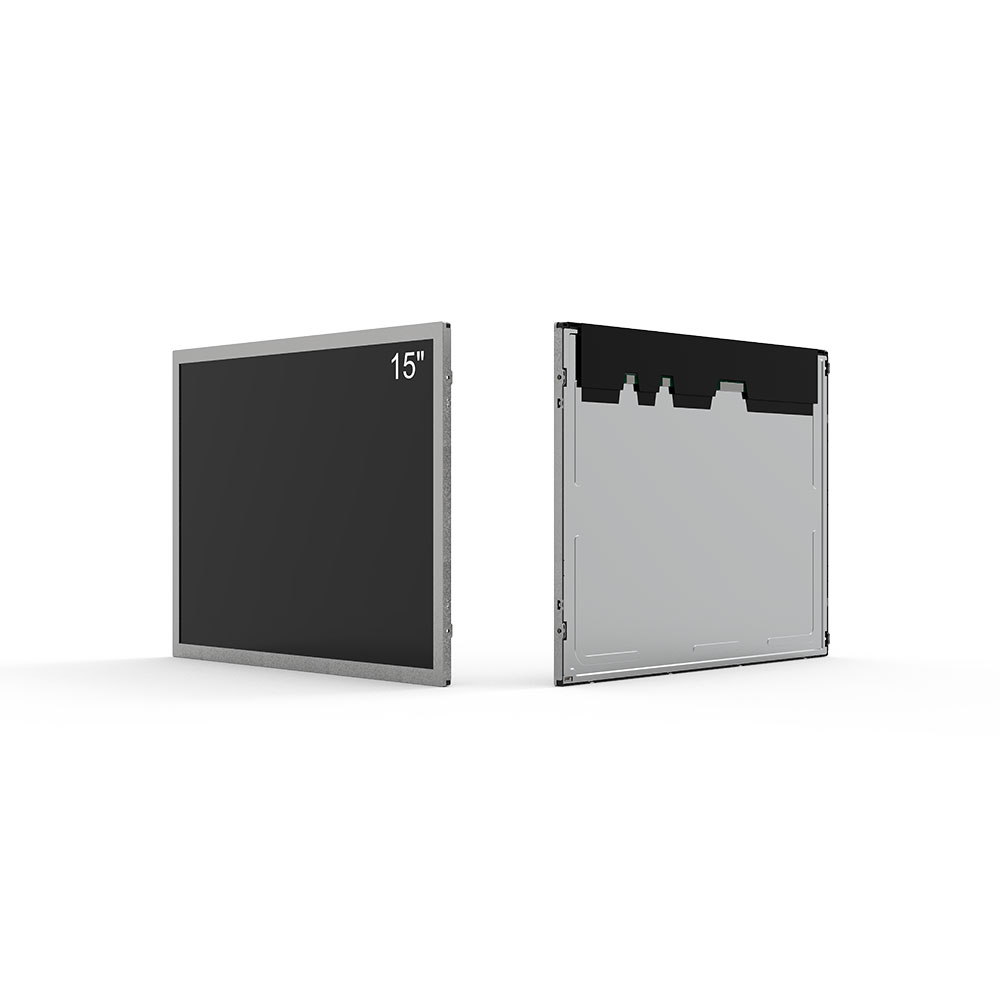
How to Choose the Right Outdoor LCD Screen for Industrial Applications
Outdoor LCD screens for industrial use must offer high brightness (5,000–10,000 nits), IP67+ protection, and thermal stability (-30°C to +60°C) to function reliably in harsh environments. Ideal for manufacturing, transport, and energy sectors.
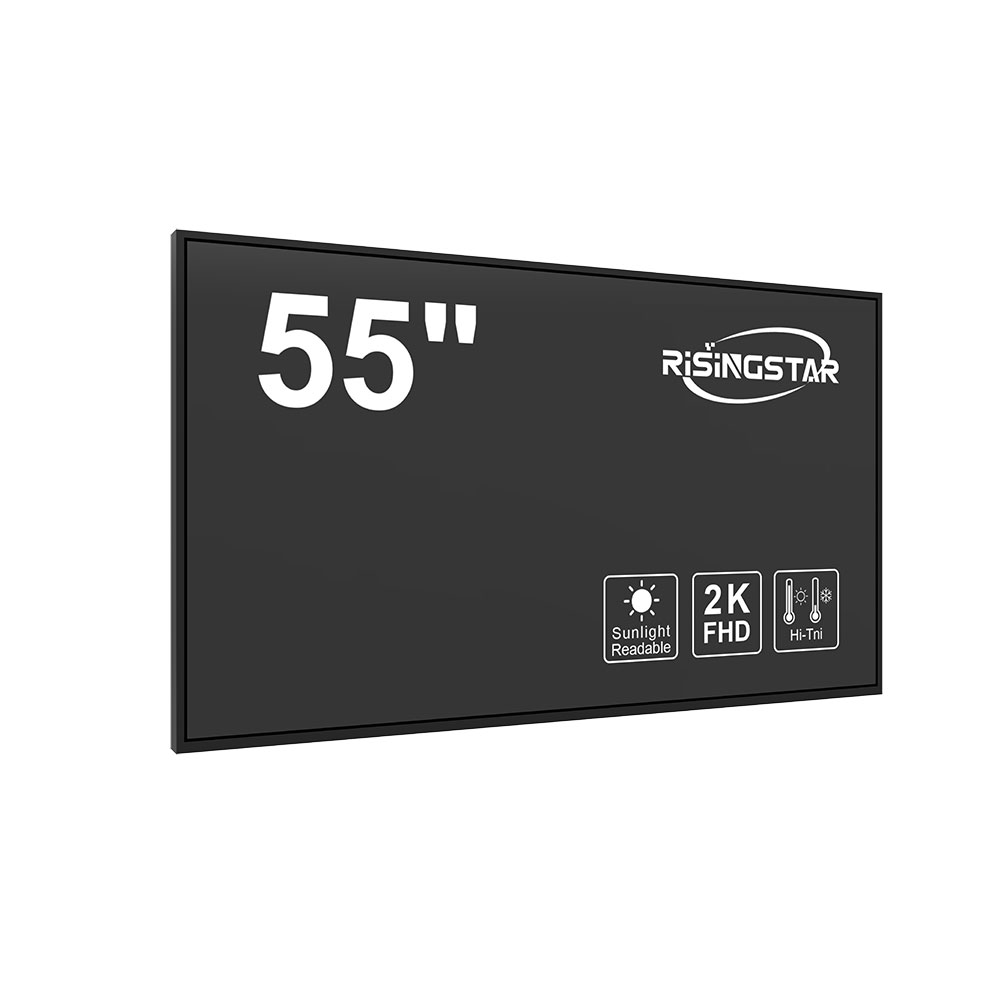
RisingStar Outdoor LCD Screen Technology: Durability, Brightness, and Reliability for Global Markets
RisingStar outdoor LCD screens deliver 7,000 nits brightness, IP65 protection, and 100,000-hour lifespan for reliable digital signage in harsh environments. Built for global deployment, these rugged displays meet CE, FCC, and RoHS standards.
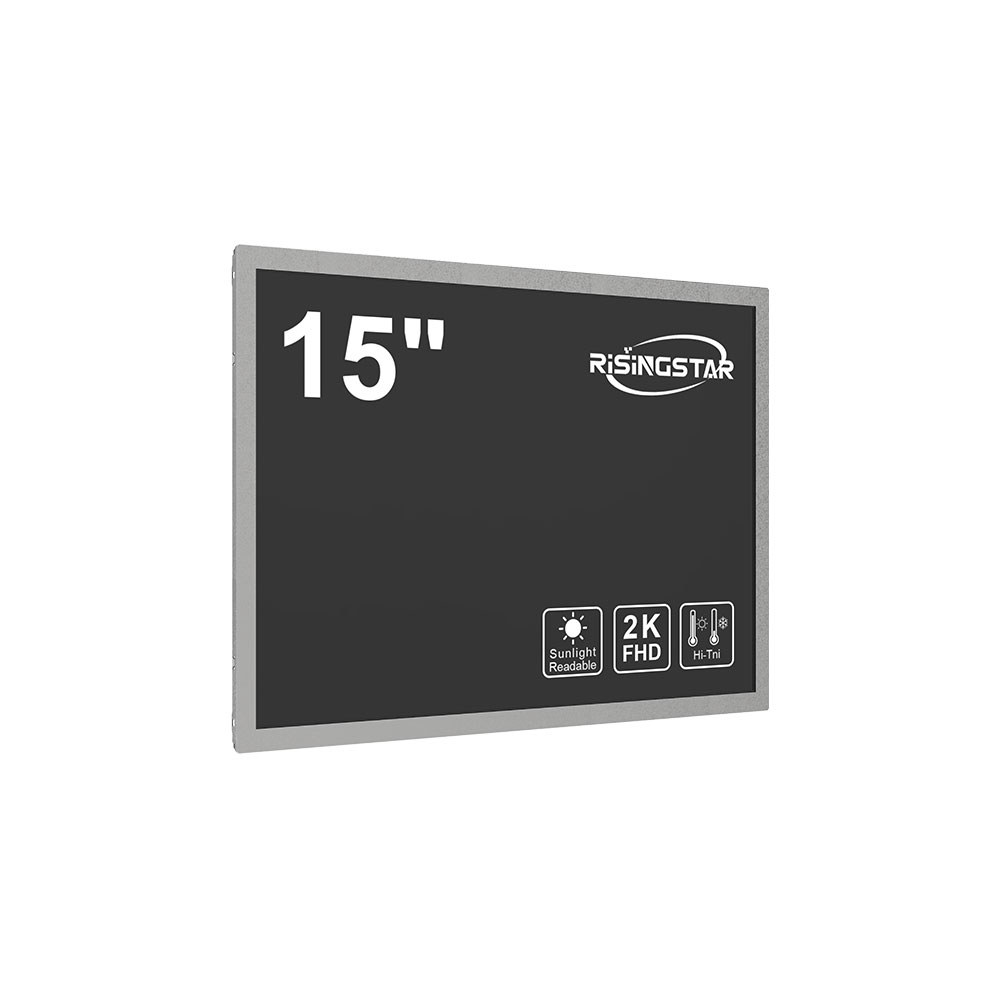
How to Choose the Right Outdoor LCD Screen for Your Business Needs
Discover how to select the best outdoor LCD screen for business use with expert guidance on brightness, durability, viewing angles, and industry standards like IP65 and IEC 60068.
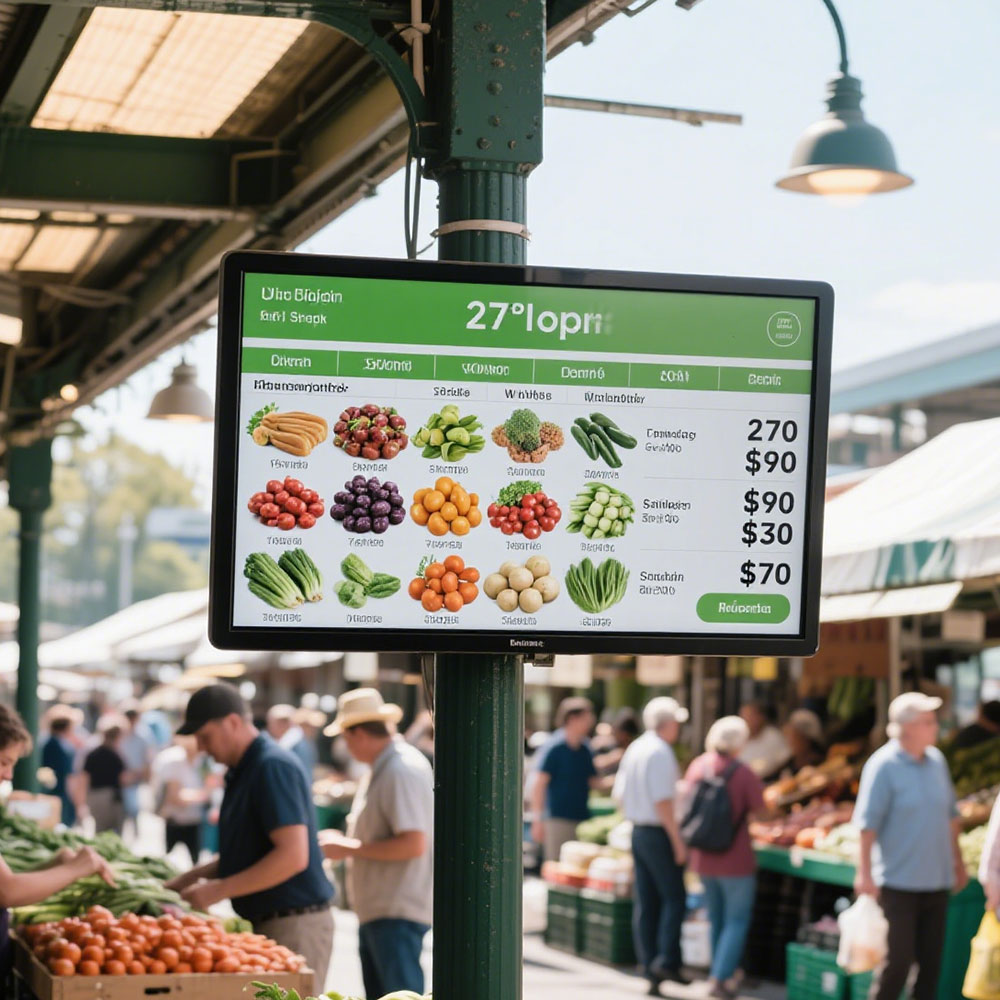
How to Choose the Right Outdoor LCD Screen for Maximum Visibility and Durability
Selecting the right outdoor LCD screen requires attention to brightness, durability, and environmental resistance. Learn how to choose a display that performs reliably in sunlight, rain, and extreme temperatures for lasting digital signage success.

How to Choose the Right Outdoor LCD Screen for Maximum Visibility and Durability
Discover how to select an outdoor LCD screen with optimal brightness, durability, and environmental protection for long-term performance in harsh conditions. Learn about IP65 ratings, 5000-nit displays, and thermal management for maximum visibility and minimal maintenance.
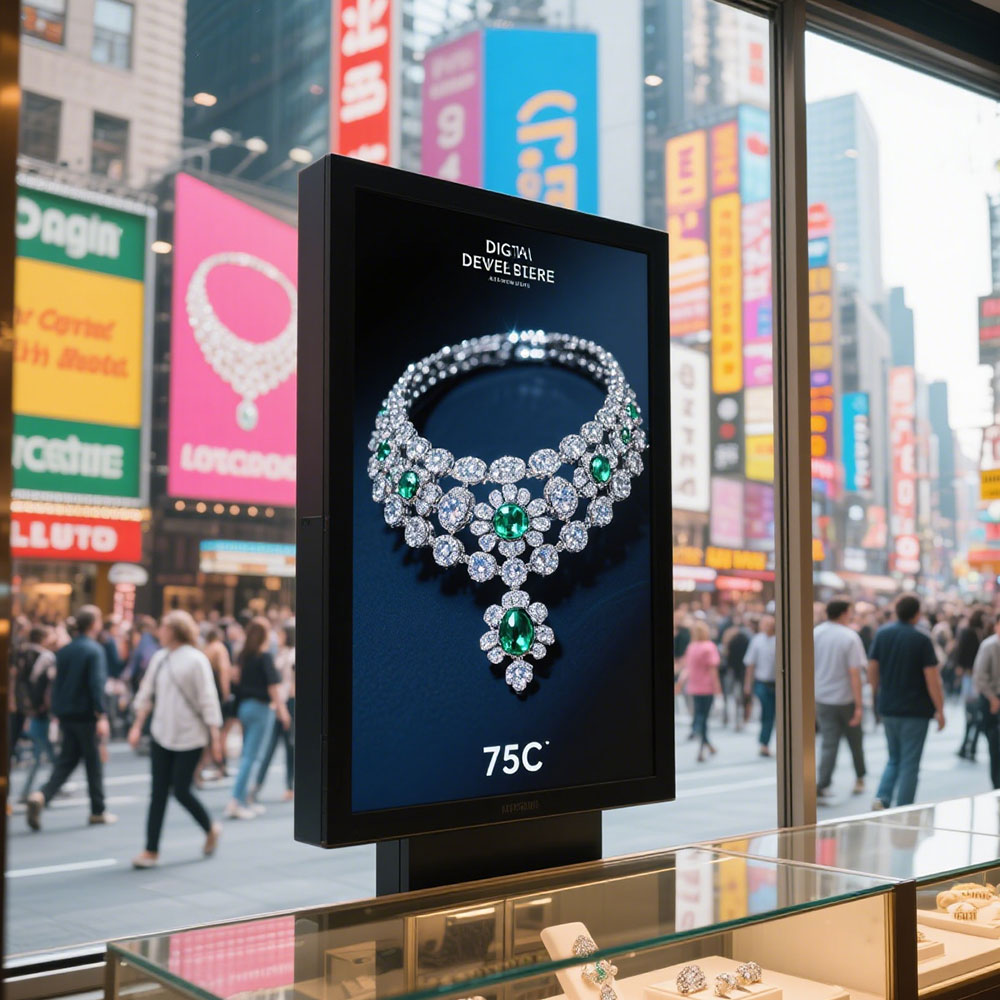
How to Choose the Right Outdoor LCD Screen for Maximum Visibility and Durability
Selecting the right outdoor LCD screen requires evaluating brightness levels, IP68 weatherproofing, thermal management, and long-term durability to ensure optimal visibility and performance in harsh environments.
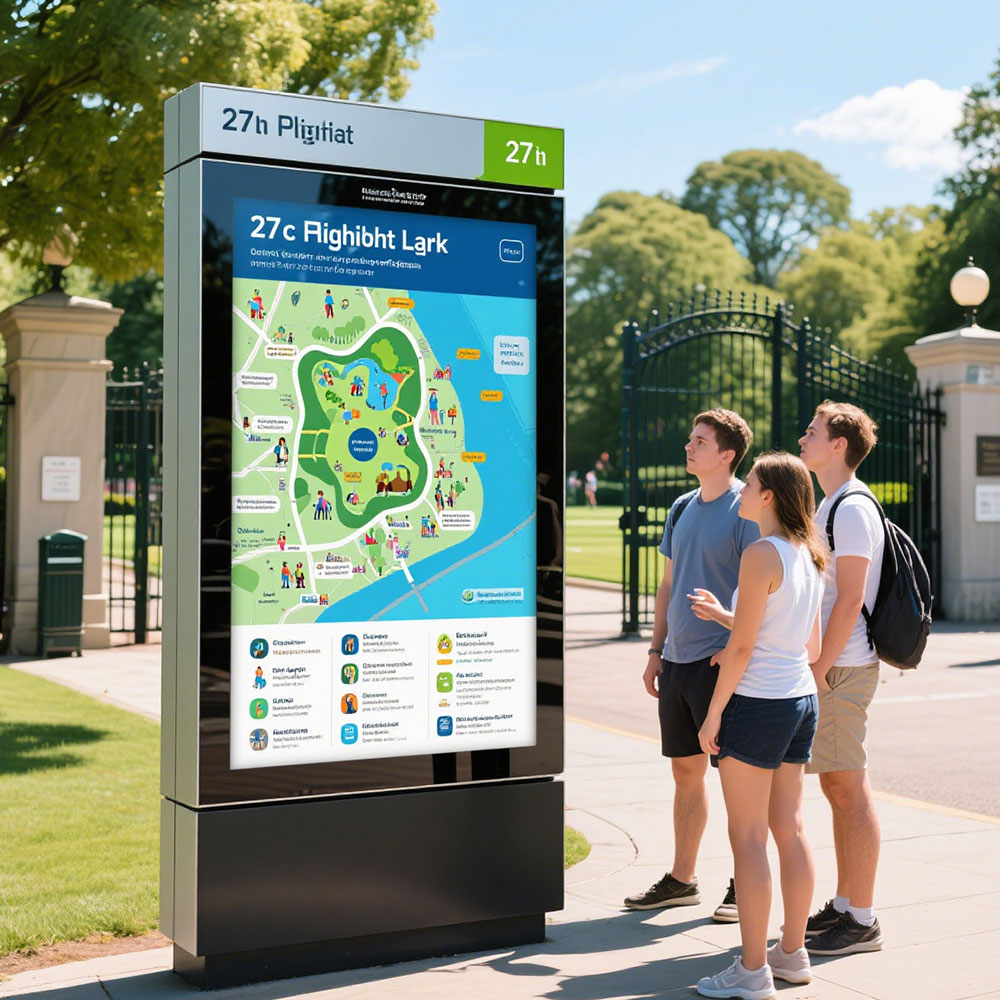
Outdoor LCD Screen Brightness Standards and Real-World Performance Optimization
Outdoor LCD screens require minimum 5,000 cd/m² brightness for daytime visibility, with top-tier models reaching 8,000 cd/m². Learn how brightness standards, adaptive controls, and environmental protection ensure reliable performance in extreme conditions.
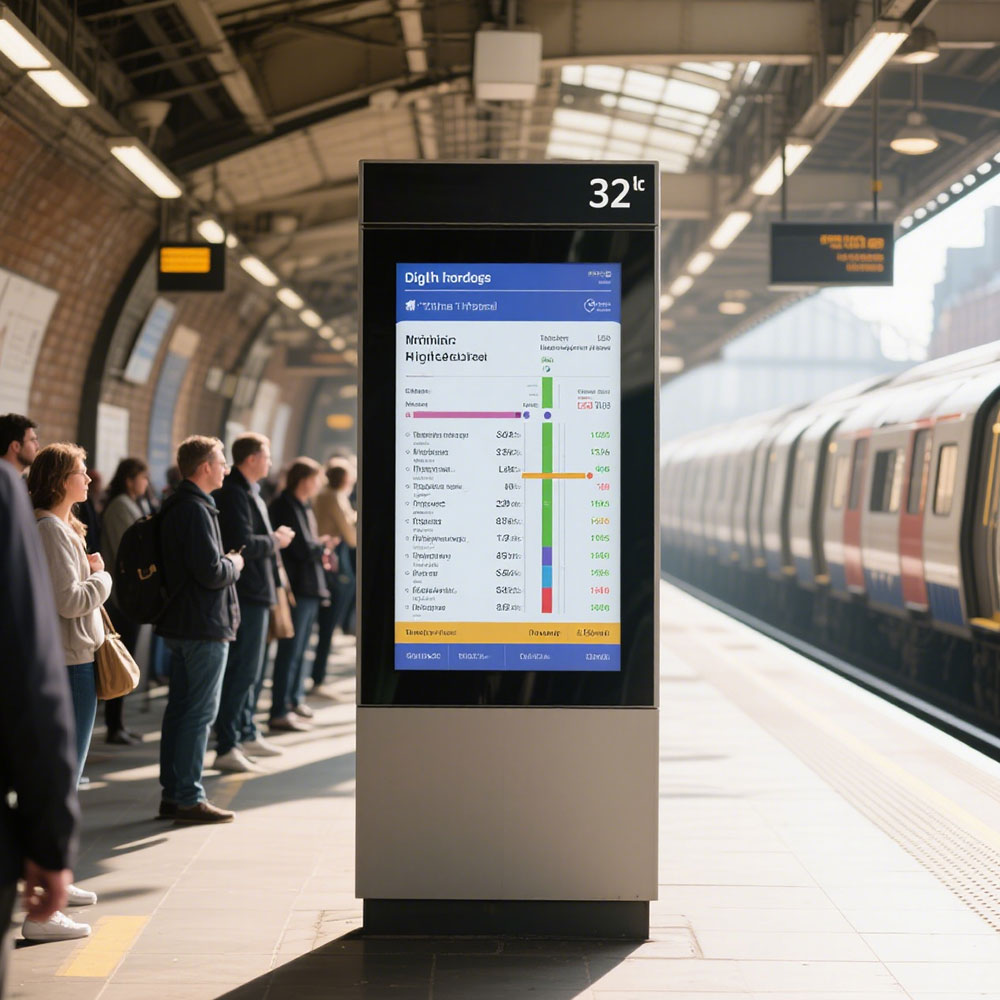
How to Choose the Right Outdoor LCD Screen for Maximum Visibility and Durability
Discover how to select an outdoor LCD screen with sufficient brightness, proper IP rating, and effective thermal management for reliable performance in harsh environments. Ideal for retail, transportation, and public information systems.
How to Choose the Right Outdoor LCD Screen for Maximum Visibility and Durability
Outdoor LCD screens must exceed 5,000 nits brightness for sun readability, feature IP65+ sealing for weather resistance, and integrate energy-saving technologies like dynamic brightness control to ensure long-term performance in demanding environments.
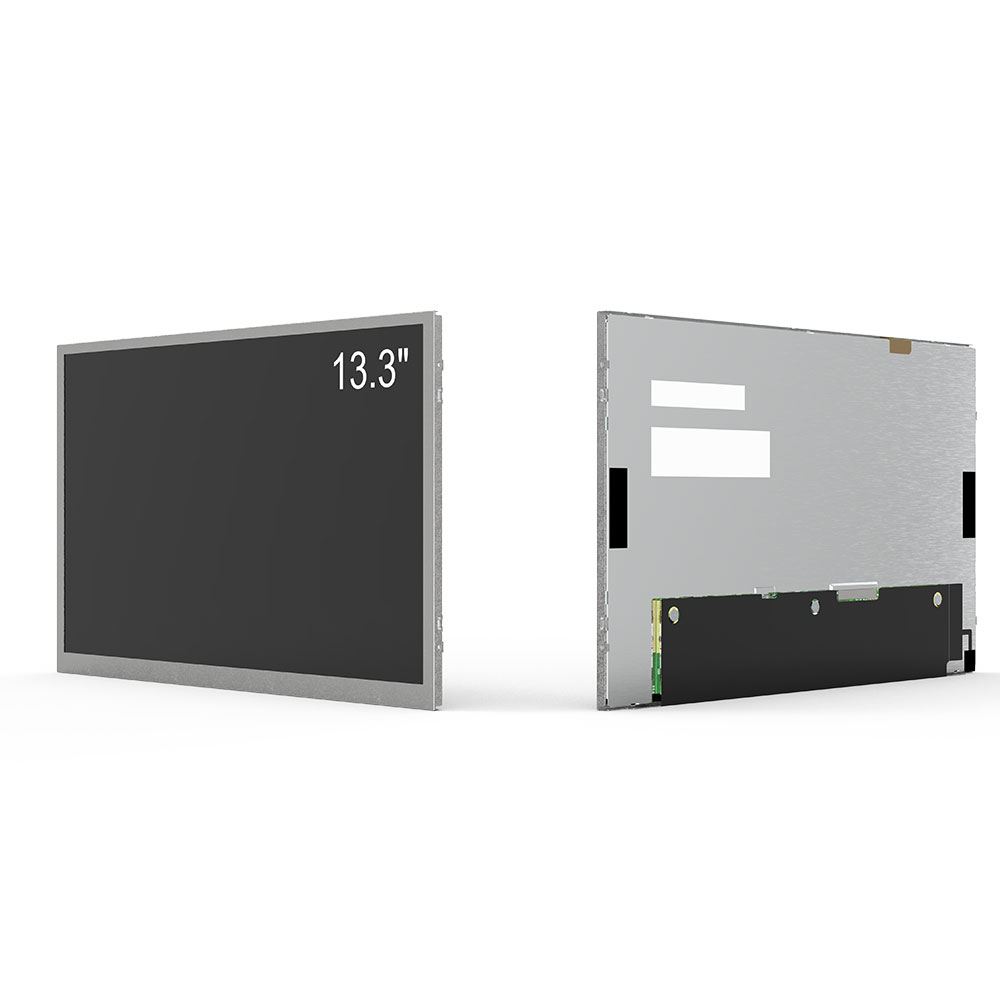
How to Choose the Right Outdoor LCD Screen for Maximum Visibility and Durability
Selecting the right outdoor LCD screen requires evaluating brightness levels above 5,000 nits, IP65 or higher ratings for weather resistance, wide operating temperature ranges, and advanced backlight technologies like LED or Mini-LED to ensure visibility and durability in diverse climates.
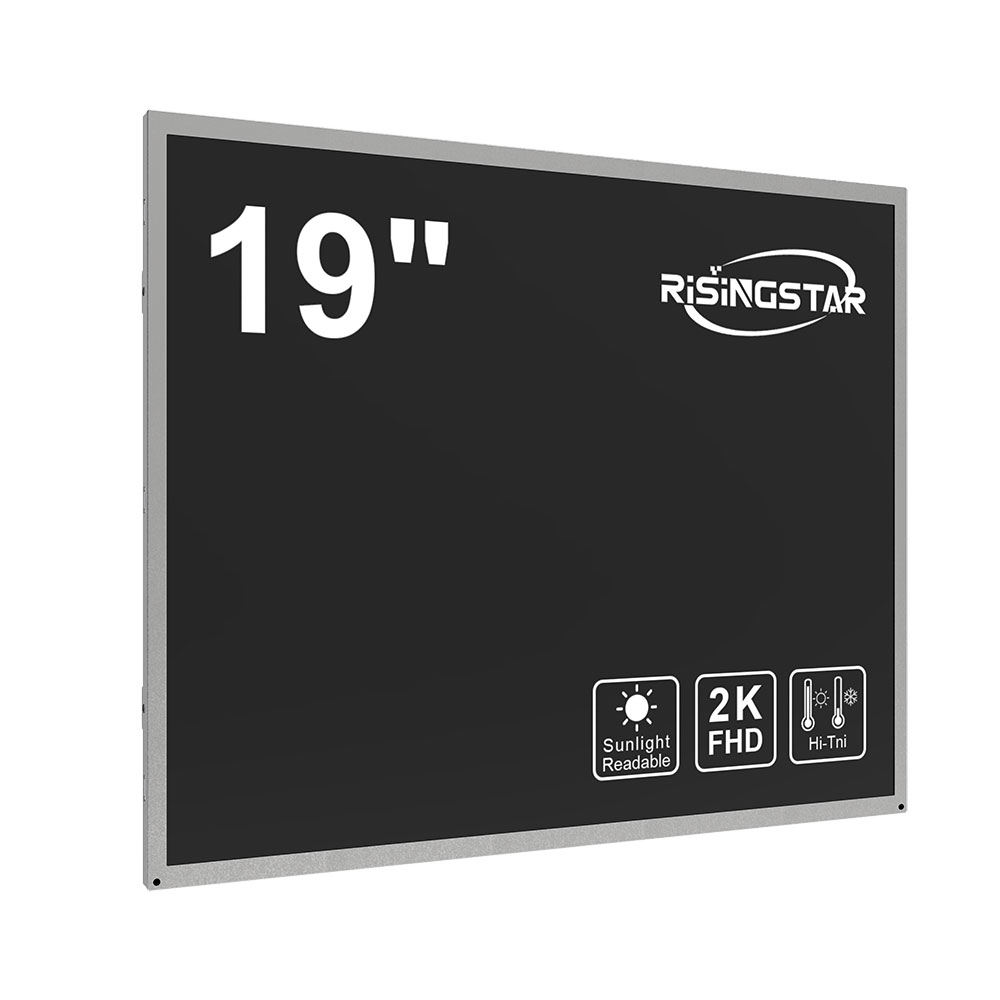
How to Choose the Right Outdoor LCD Screen for Maximum Visibility and Durability
Discover how to select an outdoor LCD screen with high brightness, IP65 protection, and durable construction for reliable performance in harsh environments. Ideal for digital signage, industrial use, and public displays.
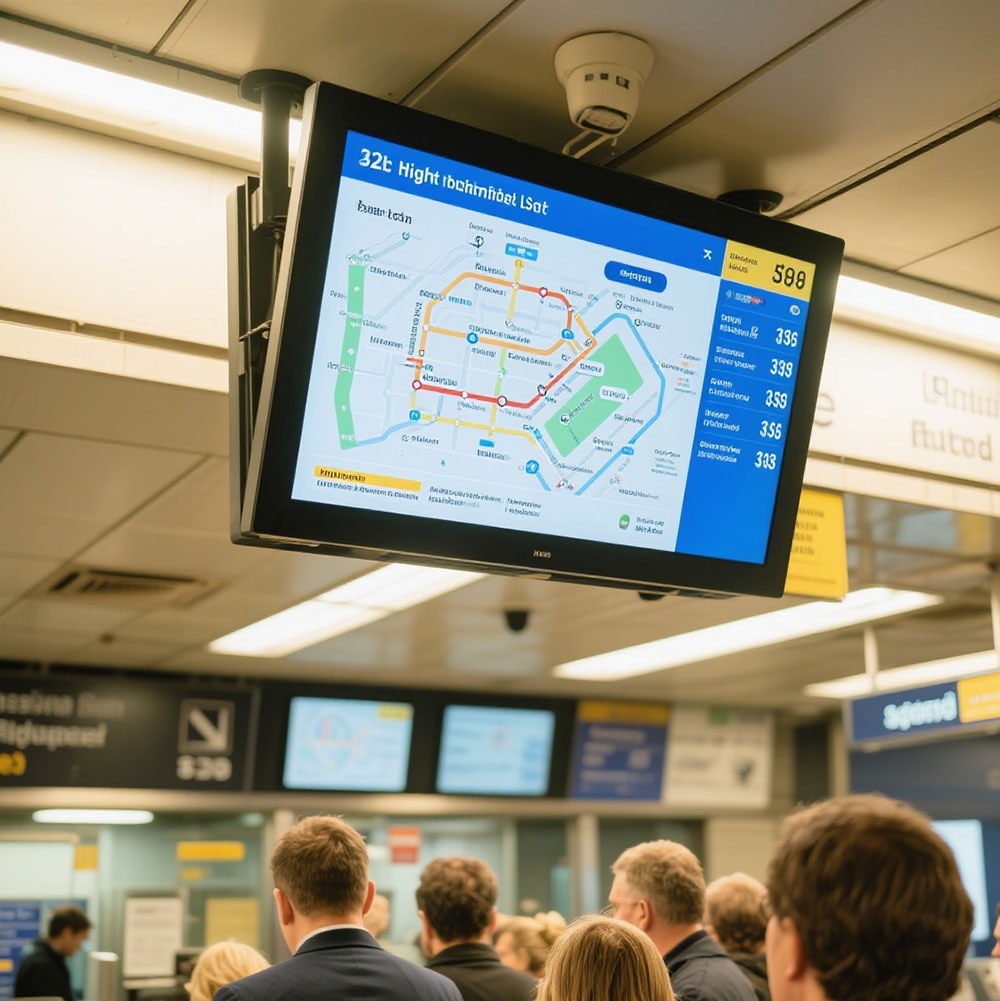
High-Brightness Outdoor LCD Displays with 5,000 Nits Brightness and IP65 Waterproofing
Outdoor LCD displays with 5,000 nits brightness, IP65 waterproof rating, all-aluminum frame, and 240-hour extreme temp testing. Ideal for OEM/ODM projects requiring high reliability in harsh environments.