
Understanding LCD Display Technology and Its Applications in Modern Devices
LCD (Liquid Crystal Display) technology remains one of the most widely used display solutions across consumer electronics, industrial equipment, and automotive systems. From smartphones to large-format monitors, LCDs offer a balance of energy efficiency, image quality, and cost-effectiveness that continues to make them indispensable in today’s digital world.
The foundation of LCD technology lies in the manipulation of liquid crystal molecules between two polarized glass substrates. When an electric current is applied, these molecules align to either block or allow light from a backlight to pass through, creating visible images. Unlike OLED displays, which emit their own light, LCDs rely on a separate backlight source—typically LED-based—which contributes to their lower power consumption in many applications. This makes LCDs particularly suitable for devices where battery life and heat management are critical, such as tablets, e-readers, and embedded systems.
In recent years, innovations in LCD design—including IPS (In-Plane Switching), VA (Vertical Alignment), and TN (Twisted Nematic) panel types—have significantly improved viewing angles, contrast ratios, and response times. For example, IPS panels now offer near 180° viewing angles with accurate color reproduction, making them ideal for professional graphics workstations and high-end televisions. Meanwhile, VA panels provide deeper blacks and higher contrast, while TN panels remain popular in budget gaming monitors due to their fast refresh rates.
Moreover, LCDs have found extensive use in industrial and medical sectors. In factory automation, ruggedized LCD panels withstand extreme temperatures and electromagnetic interference, ensuring reliable operation in harsh environments. Medical imaging devices like ultrasound machines and patient monitoring systems also leverage LCDs for clear, real-time visualization under varying lighting conditions.
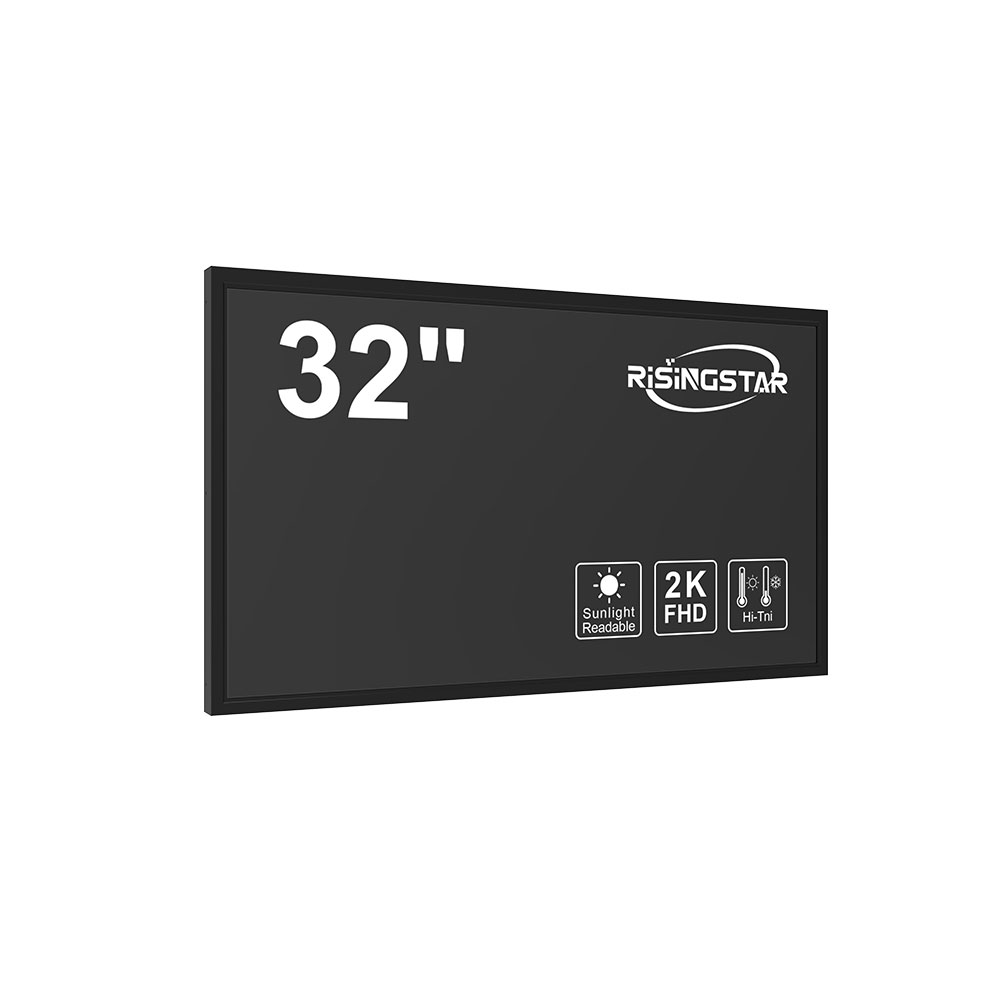
From an environmental standpoint, LCDs are more sustainable than older CRT displays, using up to 50% less energy and containing fewer hazardous materials when manufactured responsibly. Industry standards such as RoHS and Energy Star compliance further reinforce their eco-friendly profile.
In conclusion, LCD technology continues to evolve alongside emerging trends like mini-LED backlighting, high dynamic range (HDR) support, and integration with AI-enhanced image processing. While OLED and micro-LED technologies challenge LCDs in premium markets, LCDs maintain dominance in cost-sensitive, mass-market applications. As global demand for efficient, scalable display solutions grows, LCDs remain a cornerstone of modern visual communication.
上一篇:How to Choose the Right LCD Display for Industrial Applications
下一篇:How to Choose the Right LCD Panel for Industrial Applications