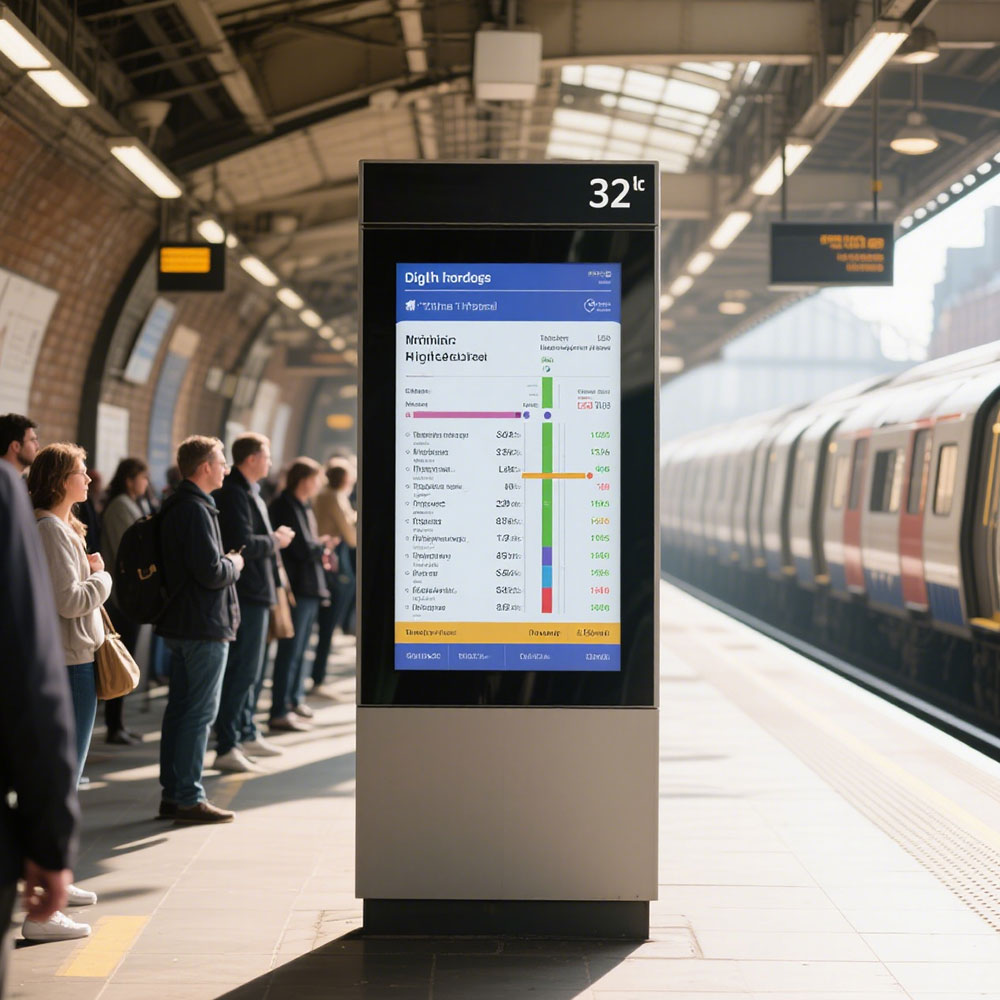
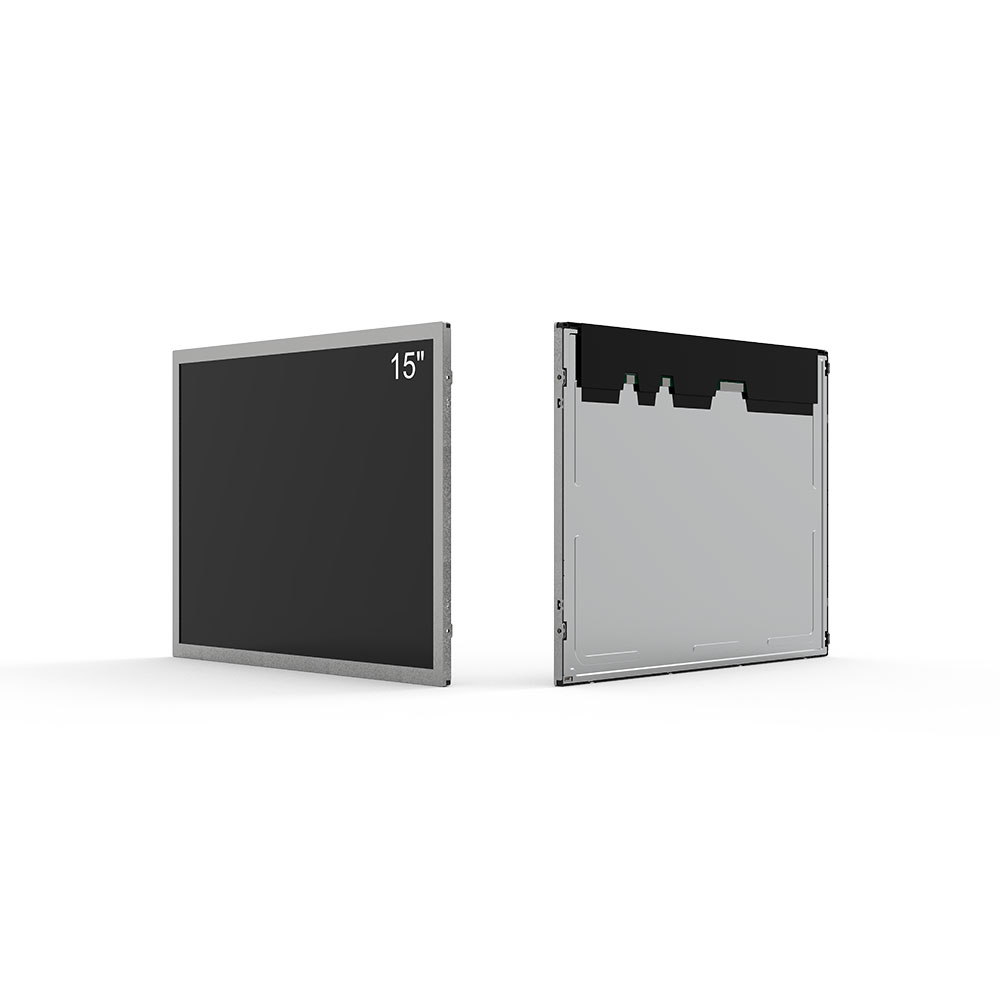
Selecting the appropriate LCD panel for industrial applications requires a thorough understanding of environmental conditions, operational demands, and long-term reliability. Unlike consumer-grade displays, industrial LCDs must function consistently in extreme temperatures, high humidity, or high-vibration environments—such as manufacturing floors, transportation systems, or outdoor kiosks.
First, consider the display’s operating temperature range. Industrial panels typically support -30°C to +70°C, whereas consumer panels may only operate from 0°C to 50°C. For example, LG Display’s L156HCE-T02 panel is rated for -30°C to +75°C, making it ideal for cold-chain logistics or outdoor solar monitoring stations.
Second, assess brightness and viewing angles. In bright environments like construction sites or aircraft cockpits, luminance must exceed 3,000 nits—standard panels often provide only 500–1,000 nits. Sharp’s IG-35B series offers 4,000 nits brightness and wide viewing angles (178°), ensuring visibility under direct sunlight.
Third, evaluate durability. Industrial applications demand panels with high shock resistance, often certified by MIL-STD-810G standards. Samsung’s S156HLN01 panel, used in military vehicles, has passed vibration testing at 50g and 200Hz frequency.
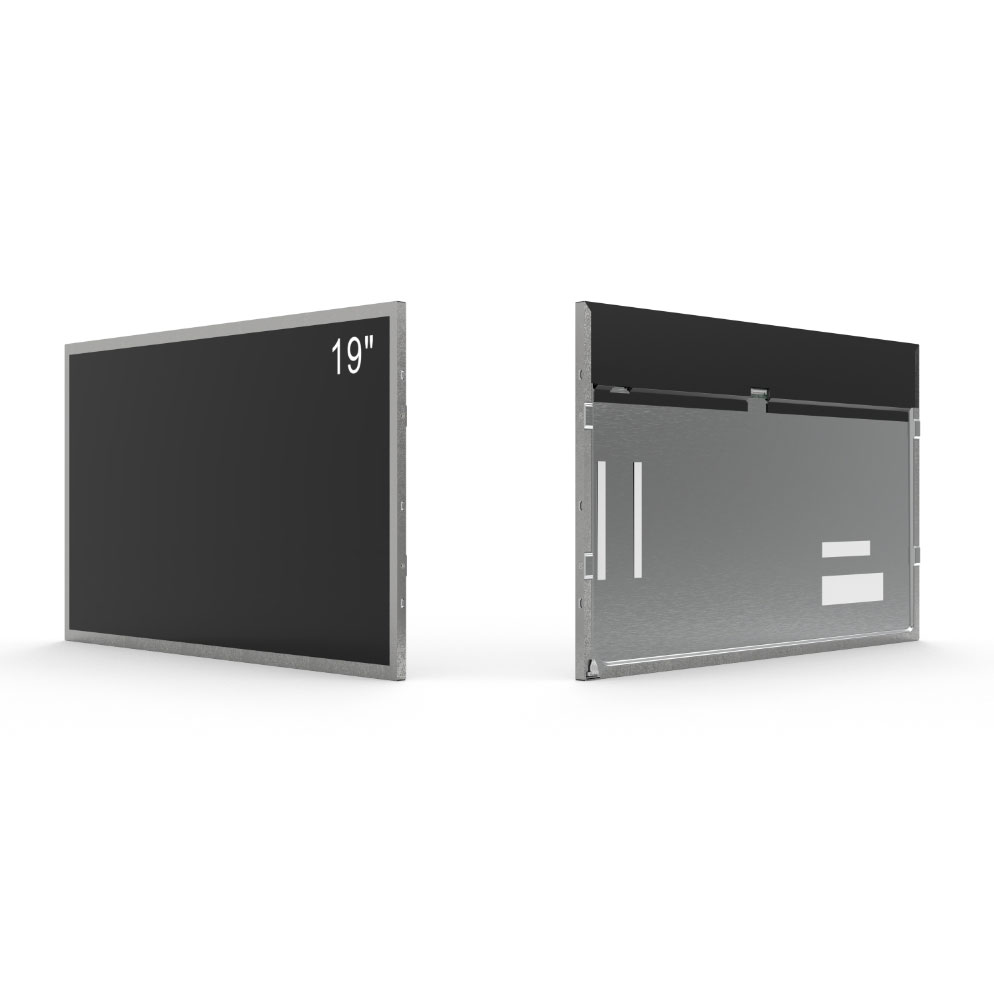
Additionally, look for long-term availability and quality control. Reputable manufacturers such as AU Optronics, BOE, and Innolux adhere to ISO 9001 and IATF 16949 standards, ensuring consistent performance across production batches. Customer reviews on platforms like Digi-Key and Mouser highlight reduced failure rates over five years compared to generic alternatives.
Finally, consider power efficiency and compatibility. Many modern industrial LCDs use low-power LVDS or eDP interfaces and are designed for energy-efficient operation—critical in battery-powered devices like handheld scanners or remote sensors.
By prioritizing these technical specifications, engineers and procurement teams can ensure robust, future-proof display solutions tailored to real-world industrial challenges.