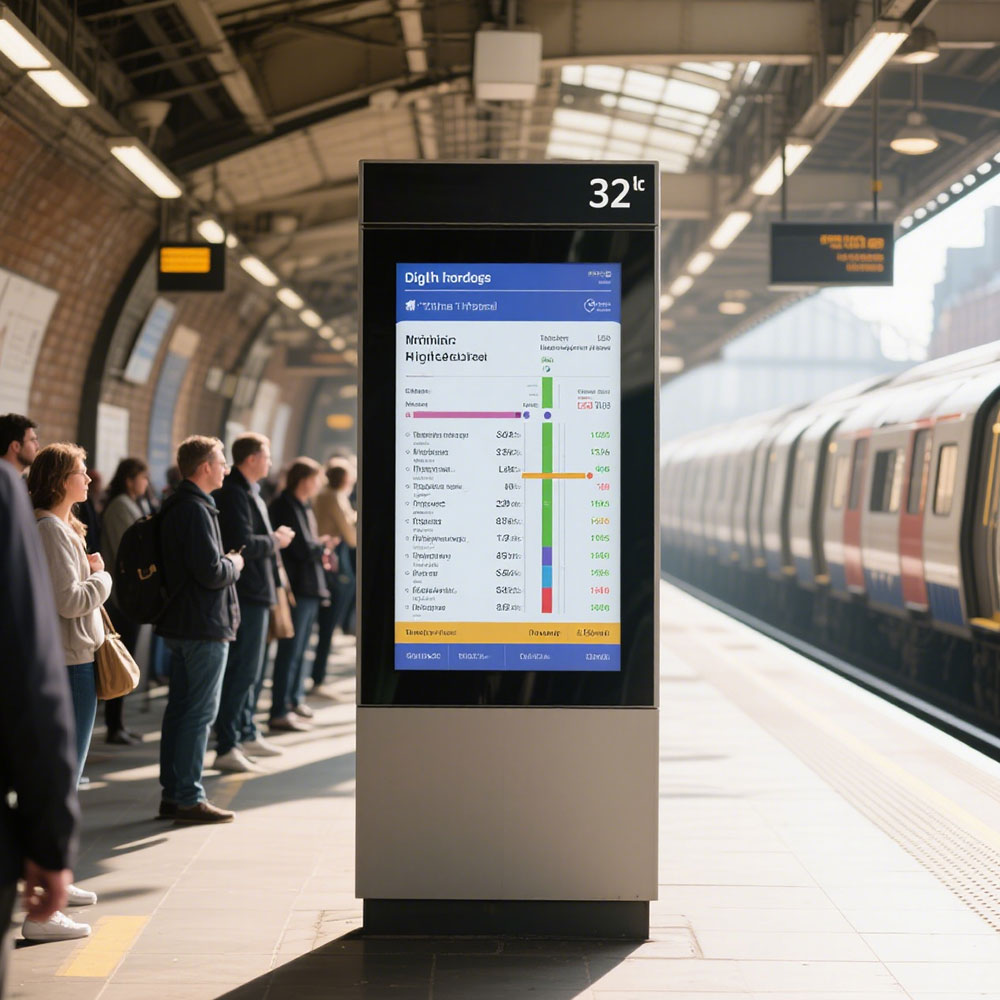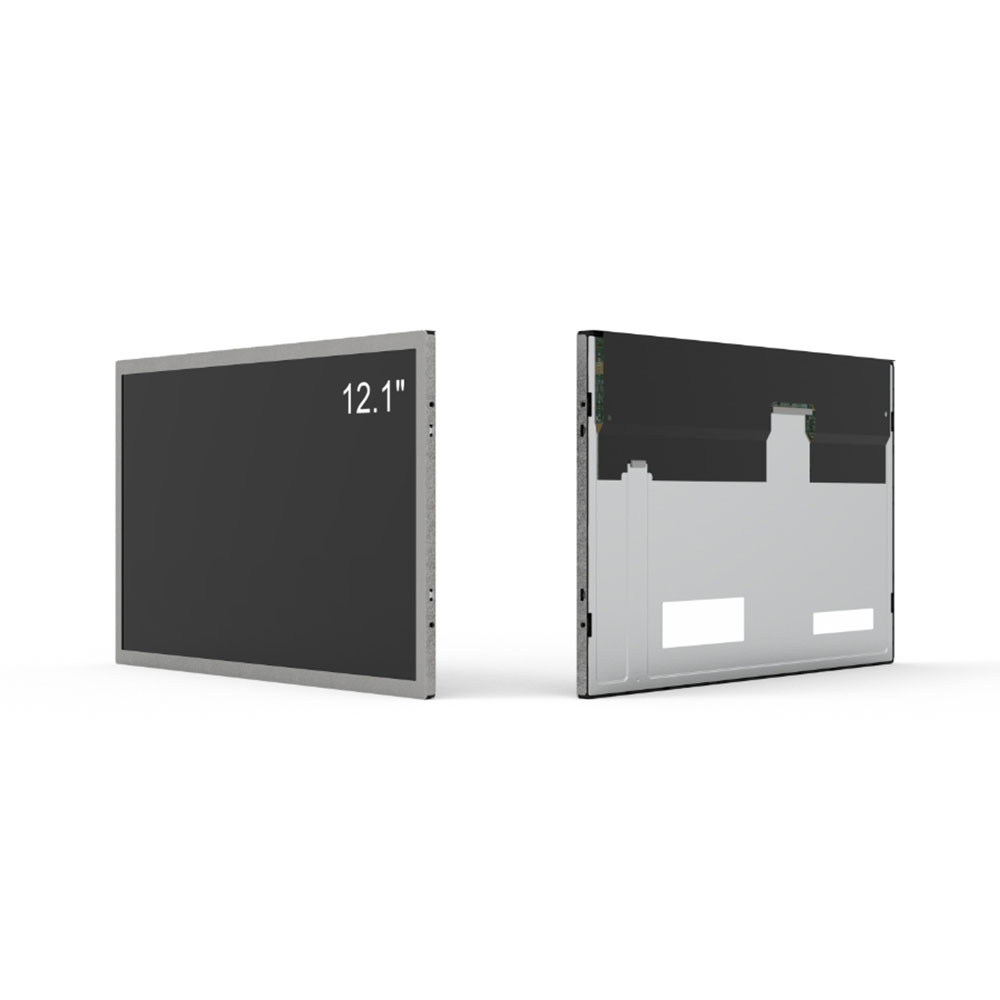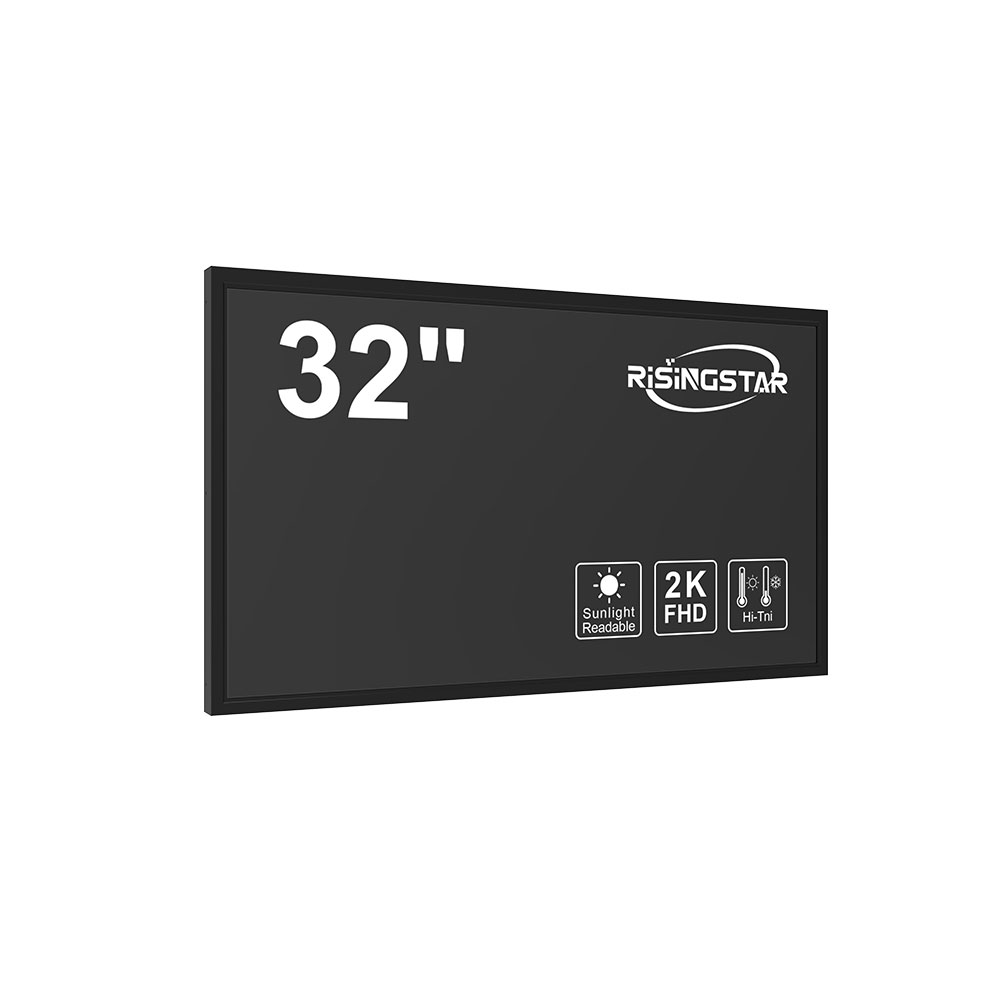
Sunlight-readable high-brightness LCD displays are essential for applications in outdoor and extreme lighting conditions, such as military equipment, industrial control panels, automotive dashboards, and public information kiosks. Unlike standard LCDs, these displays maintain visibility under direct sunlight—often exceeding 5,000 nits of brightness—while ensuring energy efficiency, durability, and operational reliability.
The introduction to this technology begins with the core challenge: ambient light interference. In traditional displays, sunlight can cause glare, reduce contrast, and make content unreadable. To overcome this, engineers use a combination of high-luminance LED backlighting, anti-glare coatings, and advanced polarizer technologies. For example, the latest generation of sunlight-readable displays employs full-array local dimming (FALD) to dynamically adjust brightness across different regions of the screen, optimizing both visibility and power consumption.
The main body of the design process includes several critical steps. First, material selection is crucial—high-brightness LEDs (typically white or RGB-based) must be chosen based on their lumen output, thermal stability, and longevity. Second, optical stack optimization involves integrating multiple layers: polarizers, diffusers, and prism sheets that work together to maximize brightness uniformity. Third, mechanical design ensures the display survives harsh environments—IP65 or higher ingress protection, shock resistance (up to 50g), and wide operating temperature ranges (from -30°C to +70°C) are standard for military-grade units.
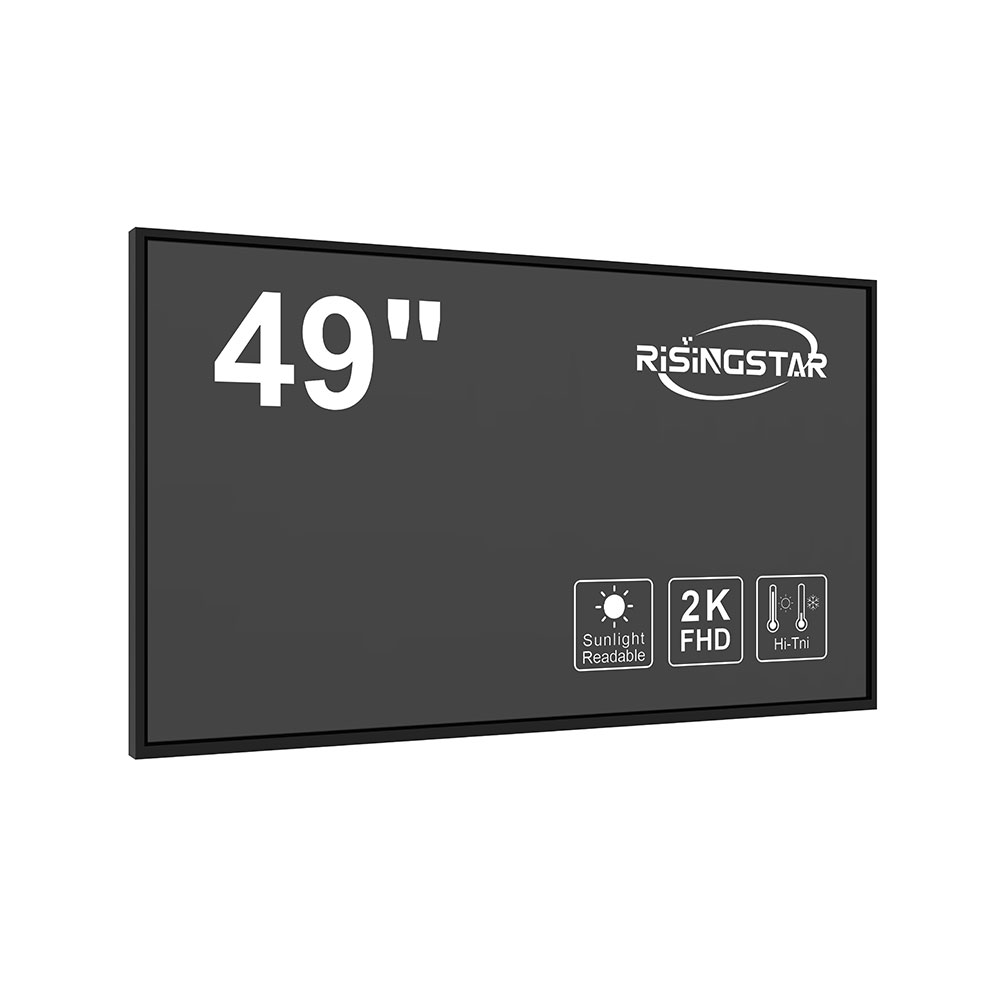
Real-world case studies validate performance. A U.S. Department of Defense project using 7-inch sunlight-readable displays in field communication devices reported 98% readability at 10,000 lux (typical midday sun). Another study by Samsung Display demonstrated that high-brightness LCDs used in solar-powered IoT sensors achieved up to 40% lower power draw compared to older models due to adaptive brightness algorithms.
Finally, the conclusion emphasizes that future advancements will focus on miniaturization, AI-driven brightness control, and integration with touch-sensitive surfaces without compromising readability. As global industries—from agriculture to construction—rely more on real-time data, the demand for robust, sunlight-readable displays continues to grow. Engineers and product designers must prioritize not only brightness but also long-term reliability, environmental resilience, and human-centric interface design.