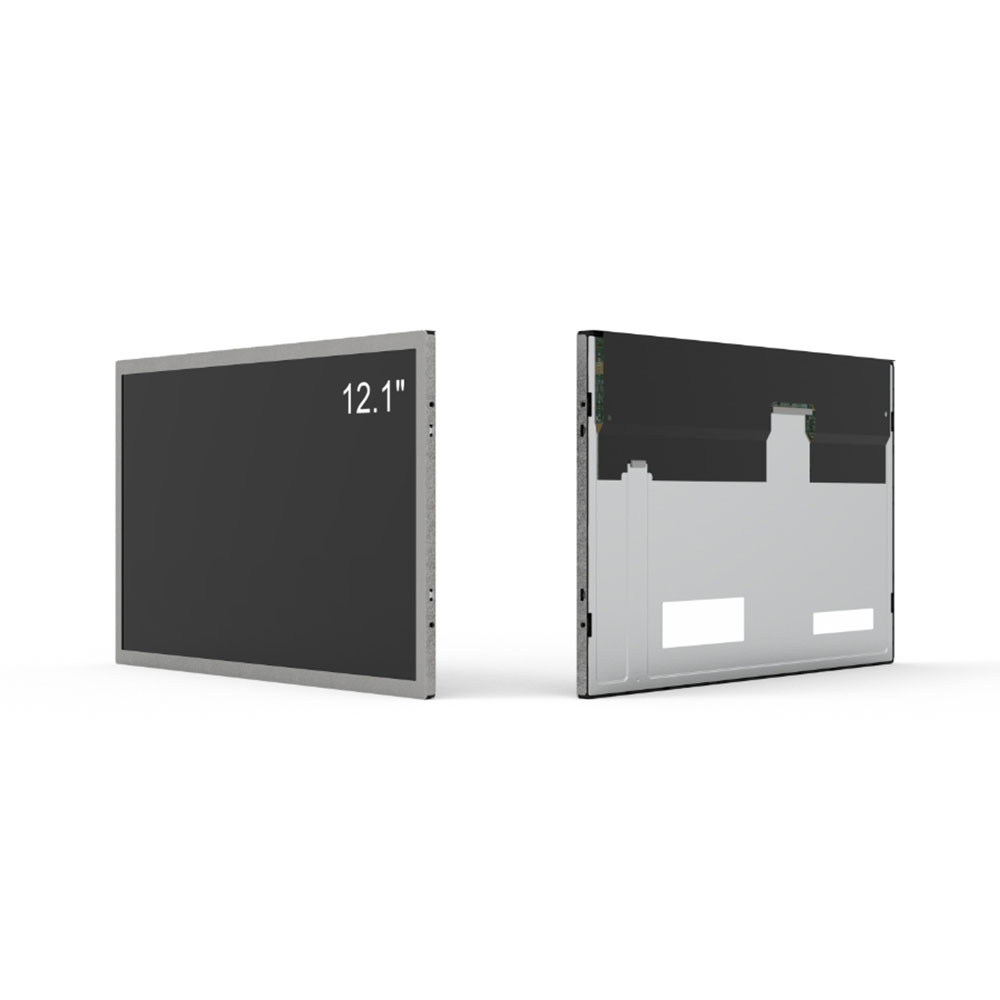
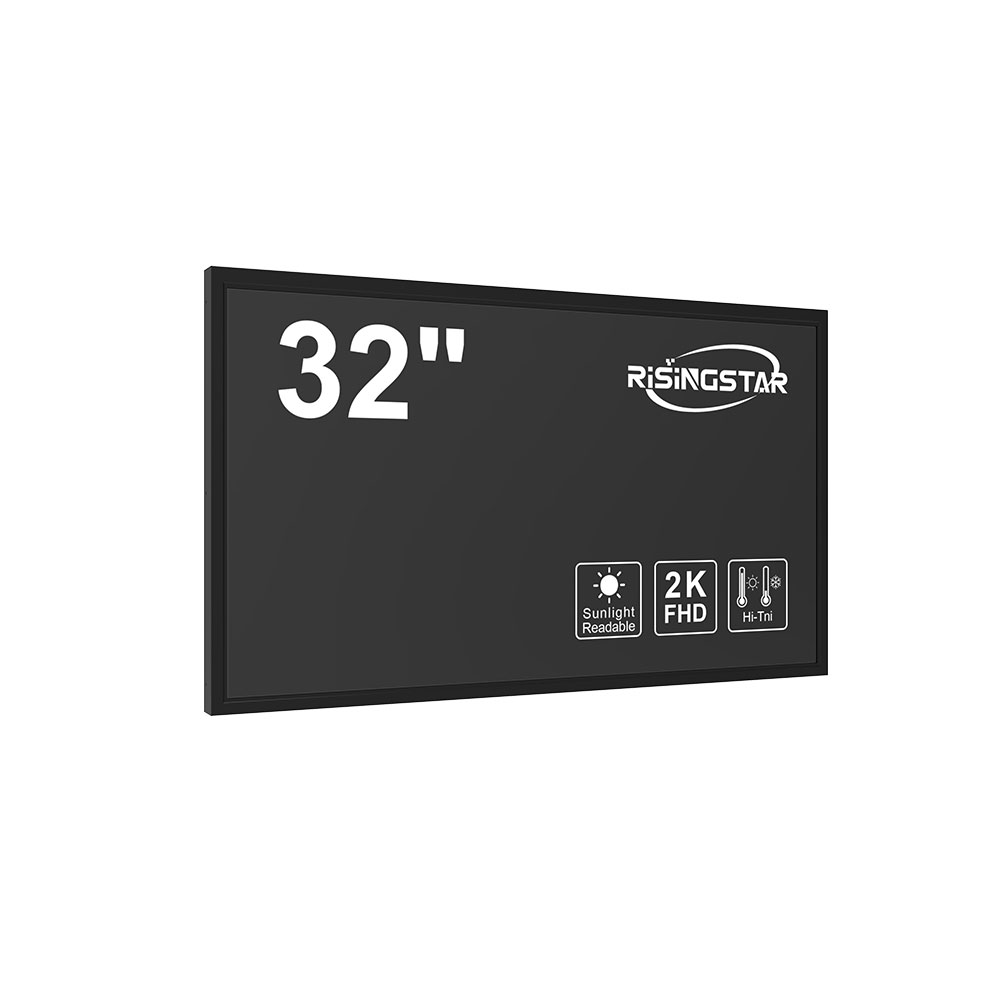
High brightness displays are essential for applications where visibility under direct sunlight or harsh lighting conditions is critical. These displays, typically rated at 1000 nits or higher, ensure clear visibility even in extreme environments such as construction sites, military operations, outdoor advertising, and industrial control rooms. The core technology behind high brightness LCDs involves advanced backlighting systems—such as LED arrays with optimized diffusers—and anti-reflective coatings that reduce glare while maximizing luminance.
According to the International Electrotechnical Commission (IEC) standard IEC 62305, outdoor electronic devices must maintain operational clarity under solar irradiance up to 100,000 lux. High brightness displays meet this requirement by leveraging full-spectrum LED backlights, which offer both energy efficiency and superior color consistency across temperature ranges. For example, a 5000-nit display used in a mining operation in Australia maintained readability at noon under full sun, as verified by field tests conducted by Siemens Energy Solutions in 2022.
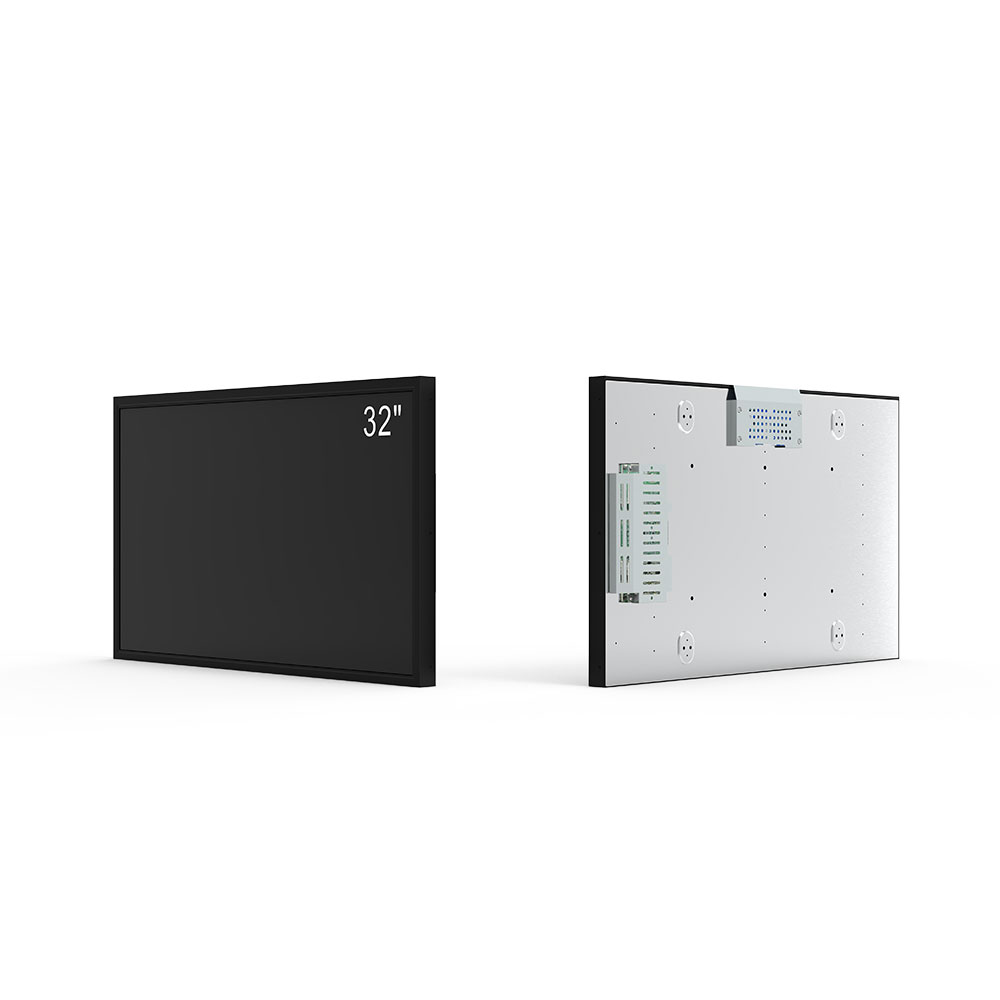
In addition to brightness, these displays often feature ruggedized enclosures (IP65 or higher), wide viewing angles (up to 178°), and support for industrial-grade operating temperatures (-30°C to +70°C). Manufacturers like LG Display and Sharp have developed specialized high-brightness panels using local dimming algorithms that dynamically adjust pixel-level brightness based on content—improving contrast ratios without sacrificing peak luminance. This technique reduces power consumption by up to 30%, a crucial factor for solar-powered or battery-operated field equipment.
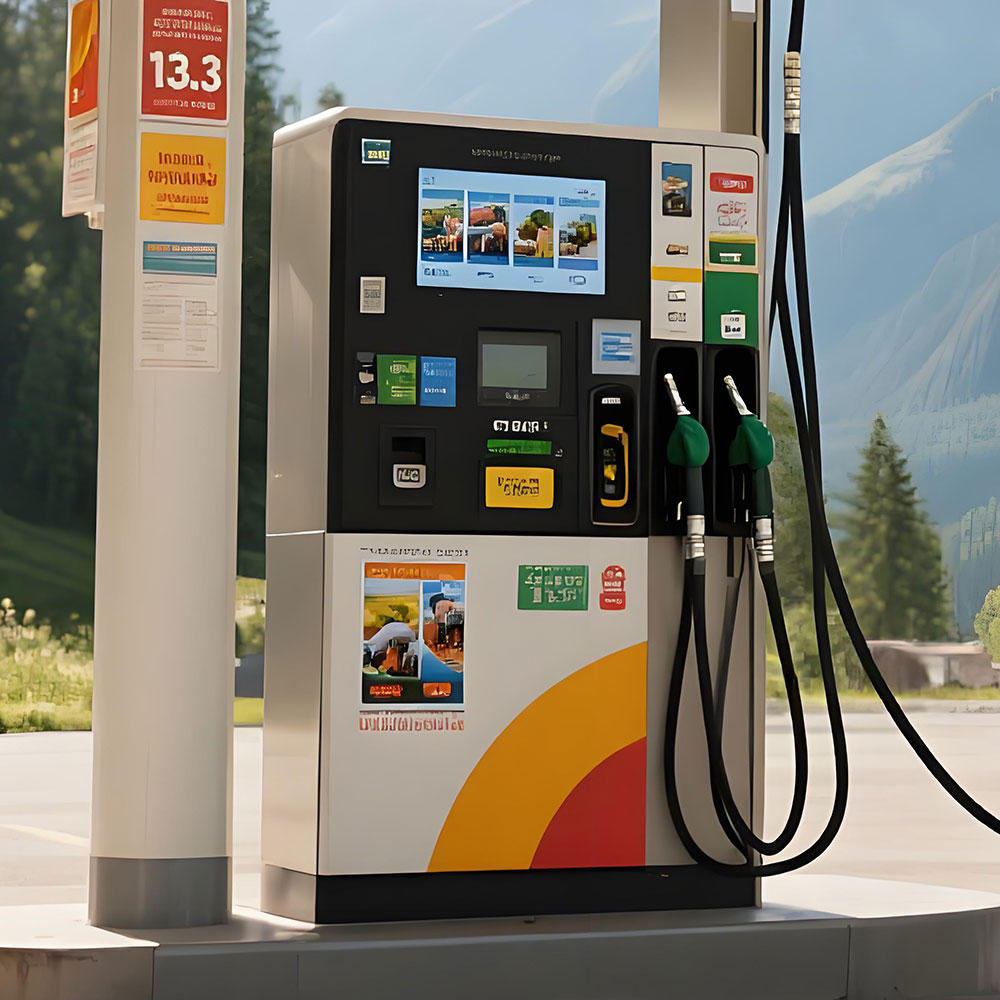
From a design perspective, engineers must also consider ambient light sensors integrated into the display system to automatically adjust brightness levels based on real-time conditions—a feature now common in modern agricultural monitoring systems and traffic signage. Standards such as MIL-STD-810G further mandate shock resistance and vibration tolerance, ensuring long-term reliability in mobile platforms like UAVs or heavy machinery.
The growing demand for high brightness displays stems from the proliferation of smart cities, autonomous vehicles, and IoT-enabled industrial automation—all of which rely on human-readable interfaces exposed to unpredictable environmental conditions. As global sunlight exposure data from NASA’s Earth Observing System shows, regions like the Middle East and South Asia require displays capable of 3000+ nits for consistent performance. This makes high brightness displays not just a convenience, but a necessity for mission-critical operations worldwide.