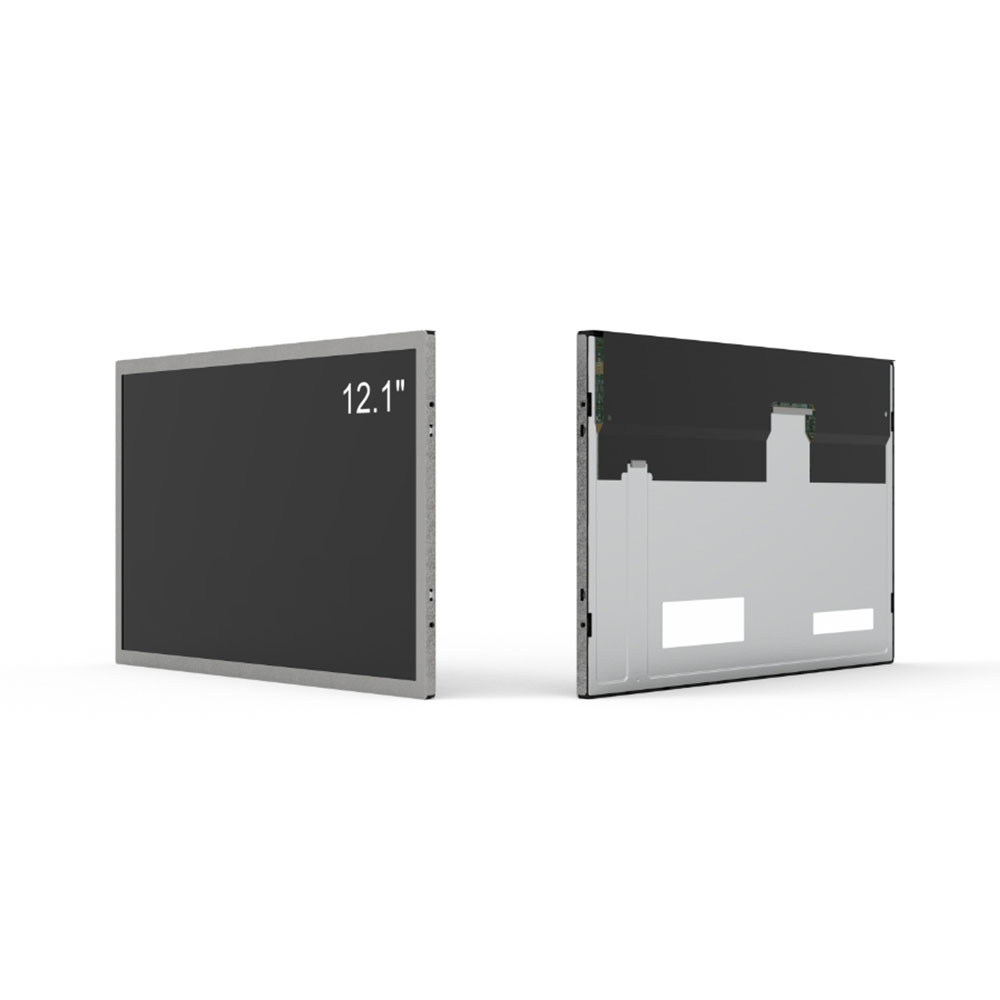
When selecting an LCD panel for your display application—whether it's for industrial control systems, medical devices, automotive dashboards, or consumer electronics—it's essential to understand the key technical parameters that influence performance, reliability, and cost-effectiveness. The first step is determining the intended use case: high-brightness panels are crucial in outdoor environments (e.g., kiosks or signage), while low-power options like IPS or TN panels are preferred in battery-powered devices such as tablets or wearables.
Panel technology plays a major role in image quality. IPS (In-Plane Switching) offers superior color accuracy and wide viewing angles—ideal for professional displays—but comes at a higher cost. TN (Twisted Nematic) panels are more affordable and faster in response time, making them suitable for gaming monitors, though they suffer from narrower viewing angles. VA (Vertical Alignment) panels strike a balance between contrast ratio and cost, often used in home theater displays.
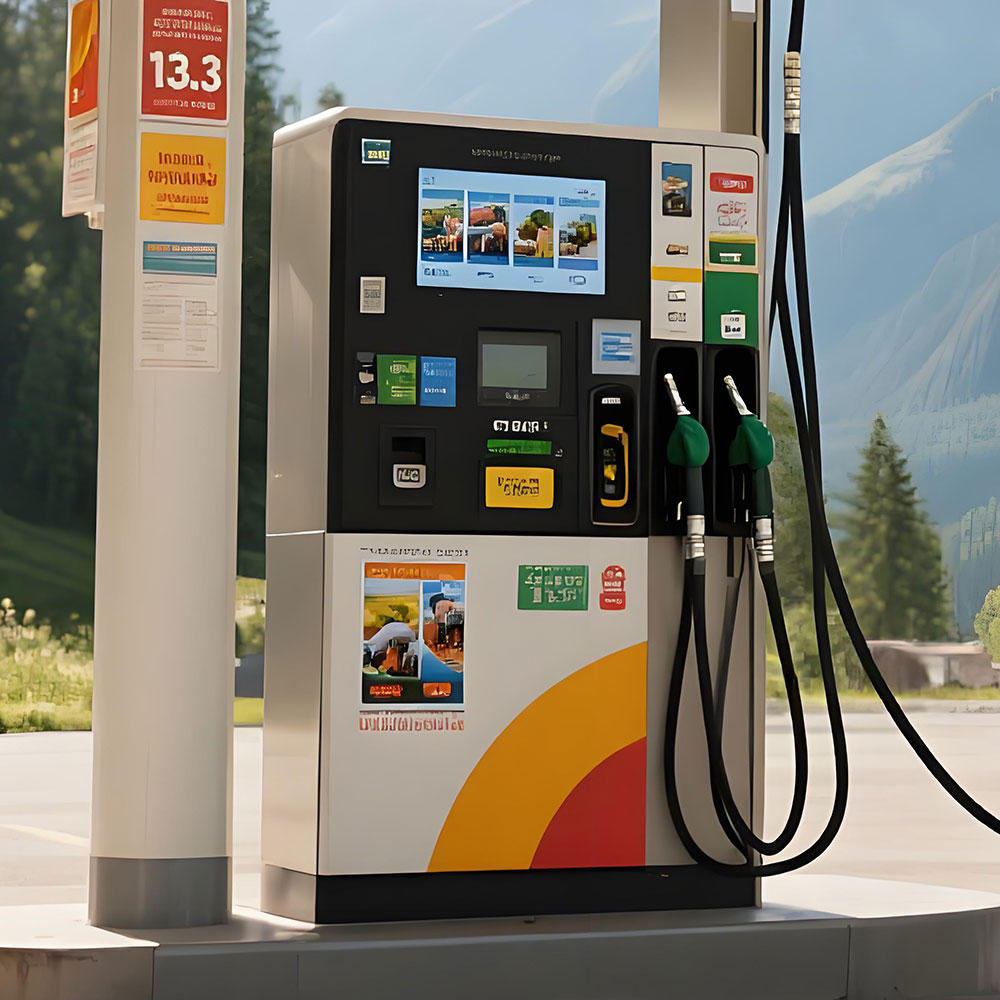
Another critical factor is brightness and contrast ratio. For indoor applications, 250–300 cd/m² is typically sufficient, but outdoor use demands 5000 cd/m² or higher to maintain visibility under sunlight. High contrast ratios (e.g., 1000:1 or above) improve image depth, especially in dark environments.
Environmental durability must also be considered. Industrial-grade panels are tested to IP65 standards for dust and water resistance and can operate reliably in temperatures ranging from -30°C to +70°C. Medical and automotive applications require additional certifications like ISO 13485 or AEC-Q100, ensuring safety and long-term stability.
Finally, consider resolution, refresh rate, and connectivity. Higher resolutions (e.g., 4K or QHD) enhance detail clarity, while refresh rates of 60Hz or higher ensure smooth motion. Modern panels increasingly support HDMI, DisplayPort, and MIPI interfaces to meet diverse system integration needs.
By aligning panel specifications with your application’s environmental, functional, and economic requirements, you can avoid costly mistakes and ensure optimal user experience across all deployment scenarios.