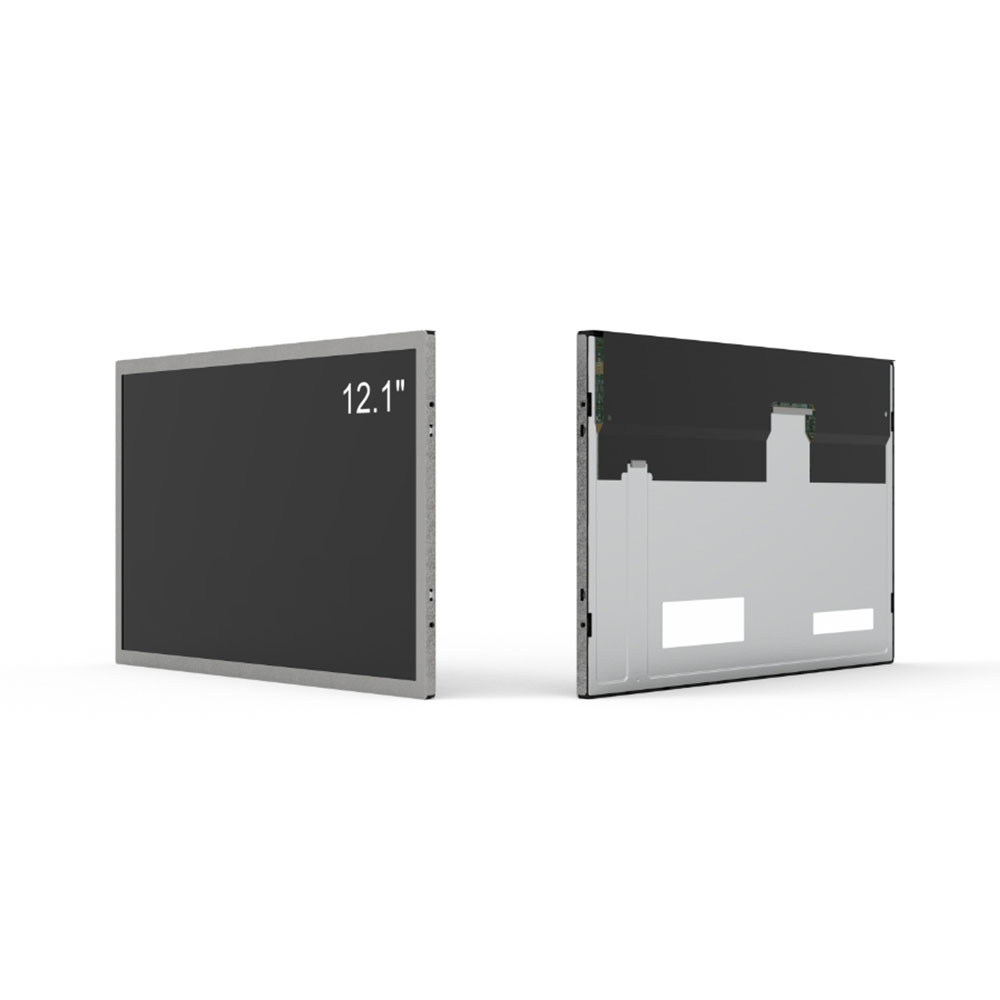
When selecting an LCD panel for your display application—whether it's for consumer electronics, industrial control systems, or automotive dashboards—it’s essential to consider several technical and operational factors. The choice of LCD panel directly impacts image quality, power consumption, durability, and overall system performance.
First, determine the required resolution and size. For example, a 1080p (Full HD) panel is standard in most modern smartphones and monitors, while 4K UHD panels are becoming common in high-end TVs and medical imaging devices. Industrial applications may require lower resolutions but higher brightness levels (e.g., 5000 nits) for outdoor visibility.
Next, evaluate the panel type: TN (Twisted Nematic), IPS (In-Plane Switching), VA (Vertical Alignment), or OLED. Each has distinct advantages. IPS panels offer superior color accuracy and wide viewing angles—ideal for graphic design and professional displays. TN panels are faster with lower response times, making them suitable for gaming. VA panels provide high contrast ratios, perfect for media consumption. OLEDs deliver true blacks and vibrant colors but can suffer from burn-in over time.
Brightness (measured in nits) and contrast ratio are also critical. A typical indoor display needs 250–300 nits, while outdoor signage must exceed 5000 nits. Contrast ratios above 1000:1 ensure clear differentiation between light and dark areas—a key factor in professional video editing.

Environmental conditions matter too. If your device will operate in extreme temperatures (from -20°C to +70°C), choose panels rated for industrial use, such as those compliant with MIL-STD-810G. These panels often include anti-glare coatings, wide operating voltage ranges, and enhanced thermal management.
Power efficiency is another consideration, especially for battery-powered devices like tablets or wearable tech. IPS panels typically consume more power than TN, so if low power draw is critical, opt for a TN or mini-LED-backlit IPS variant.
Finally, verify certifications such as RoHS, CE, and ISO 14001 for compliance with environmental and safety standards. Many manufacturers now provide detailed datasheets and test reports, enabling engineers to make data-driven decisions.
According to a 2023 report by MarketsandMarkets, the global LCD market is expected to reach $62 billion by 2028, driven by demand in automotive, medical, and smart home sectors. Choosing the right LCD panel isn’t just about specs—it’s about aligning technology with real-world usage scenarios.