When selecting an LCD panel for your application—whether it's for consumer electronics, industrial control systems, or medical devices—it's essential to consider several critical factors that affect performance, longevity, and cost-effectiveness. Understanding these variables ensures optimal functionality and user satisfaction in real-world conditions.
First, determine the panel type. TN (Twisted Nematic), IPS (In-Plane Switching), and VA (Vertical Alignment) are the most common types. TN panels offer fast response times and low cost but have narrow viewing angles and less accurate color reproduction. IPS panels provide superior color accuracy and wide viewing angles, making them ideal for graphic design, photography, and professional displays. VA panels strike a balance between contrast ratio and response time, often used in home entertainment systems where deep blacks and vibrant images matter most.
Next, evaluate resolution and pixel density. For high-definition applications like 4K monitors or smartphones, a minimum of 1080p (Full HD) is standard, with 2K or 4K preferred for larger screens. Pixel density (PPI – pixels per inch) should be at least 300 for mobile devices to ensure sharp visuals without visible pixelation. In industrial settings, clarity under harsh lighting may require higher brightness levels, typically above 500 cd/m², to maintain visibility.
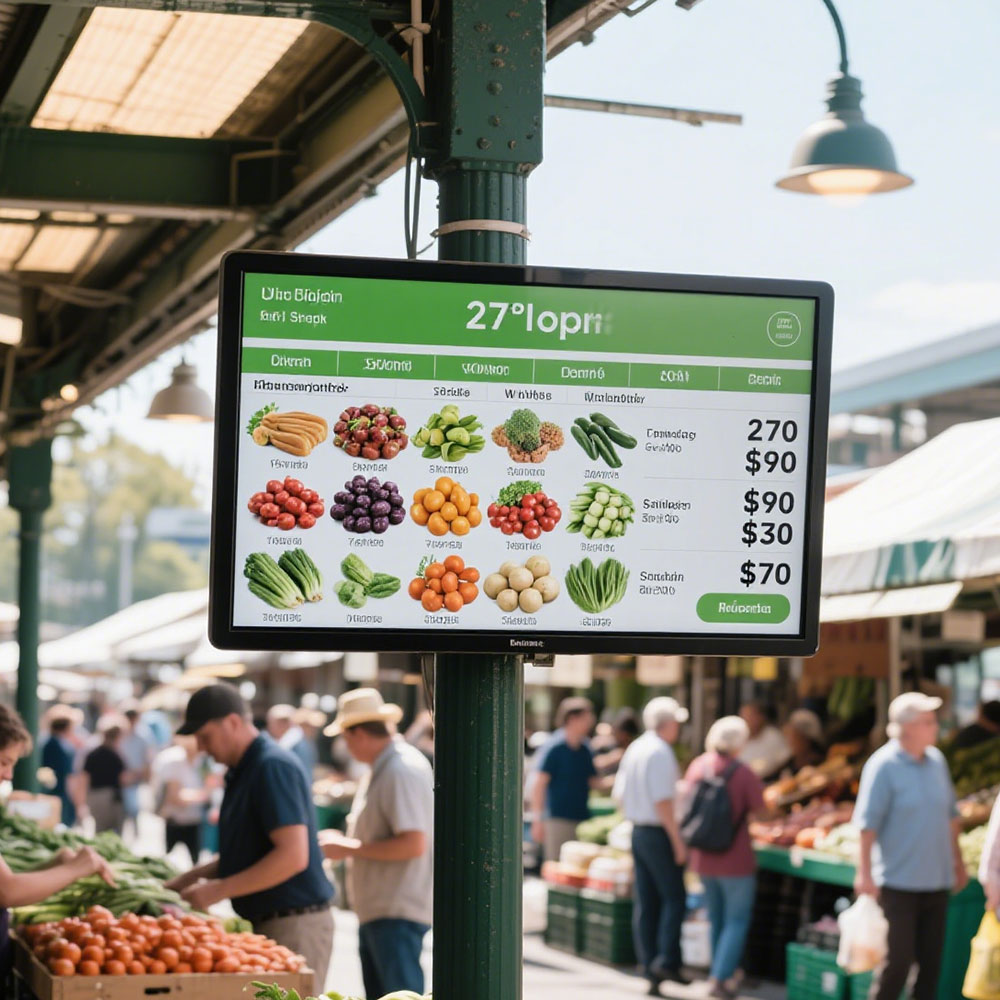
Brightness and contrast ratios are crucial for outdoor use or environments with ambient light. Panels rated at 1000 cd/m² or more are recommended for sunlight-readable displays, such as those in kiosks or automotive dashboards. A high contrast ratio (e.g., 3000:1 or higher) enhances image depth and clarity—especially important in medical imaging or security monitoring.
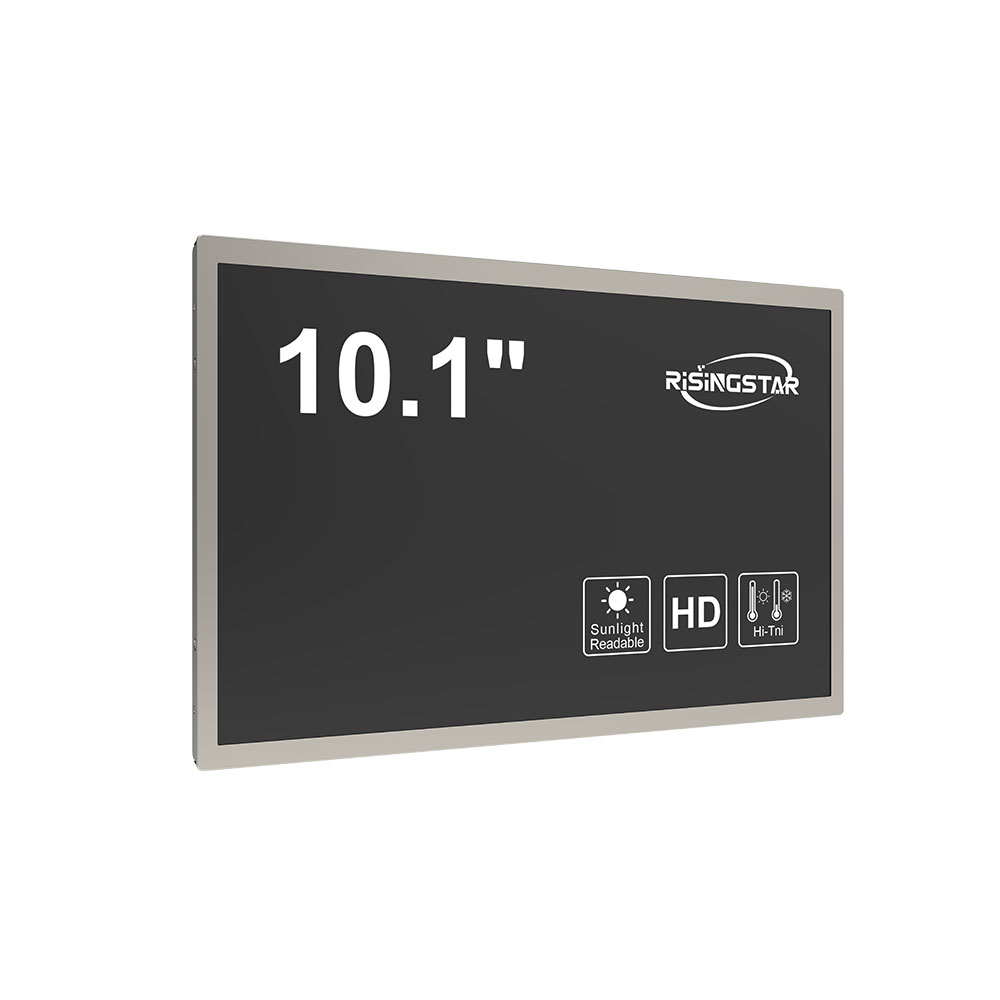
Durability and environmental resistance must not be overlooked. Industrial-grade LCDs often include features like wide operating temperature ranges (-20°C to 70°C), anti-glare coatings, and MIL-STD-810G certification for shock and vibration resistance. These specs are vital for reliable operation in manufacturing plants, military equipment, or transportation systems.
Finally, consider power consumption and refresh rate. Low-power panels using LED backlighting or OLED technology reduce energy costs and extend battery life in portable devices. For gaming or motion-intensive content, a refresh rate of at least 60Hz is standard; 120Hz or higher is preferable for smoother visuals.
By aligning panel specifications with your application’s demands—from color accuracy and brightness to ruggedness and efficiency—you can select an LCD that delivers both performance and value over its lifecycle.