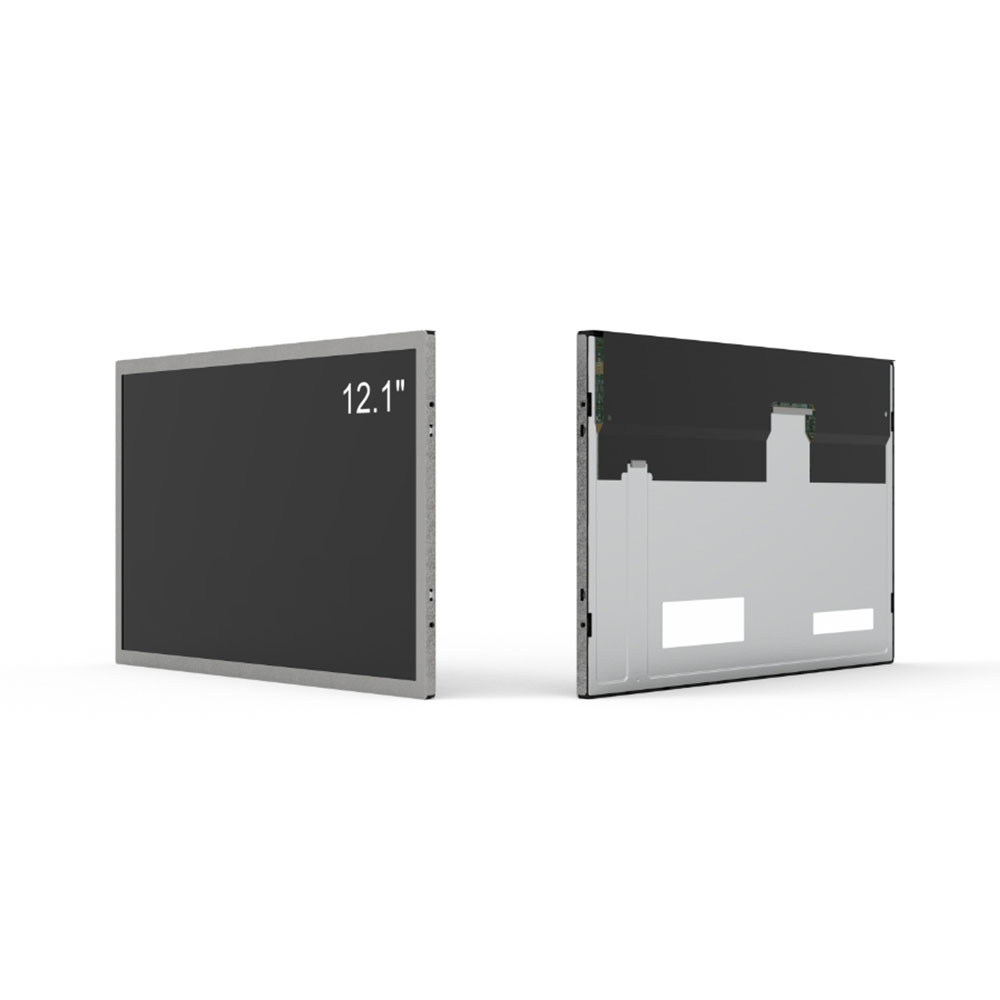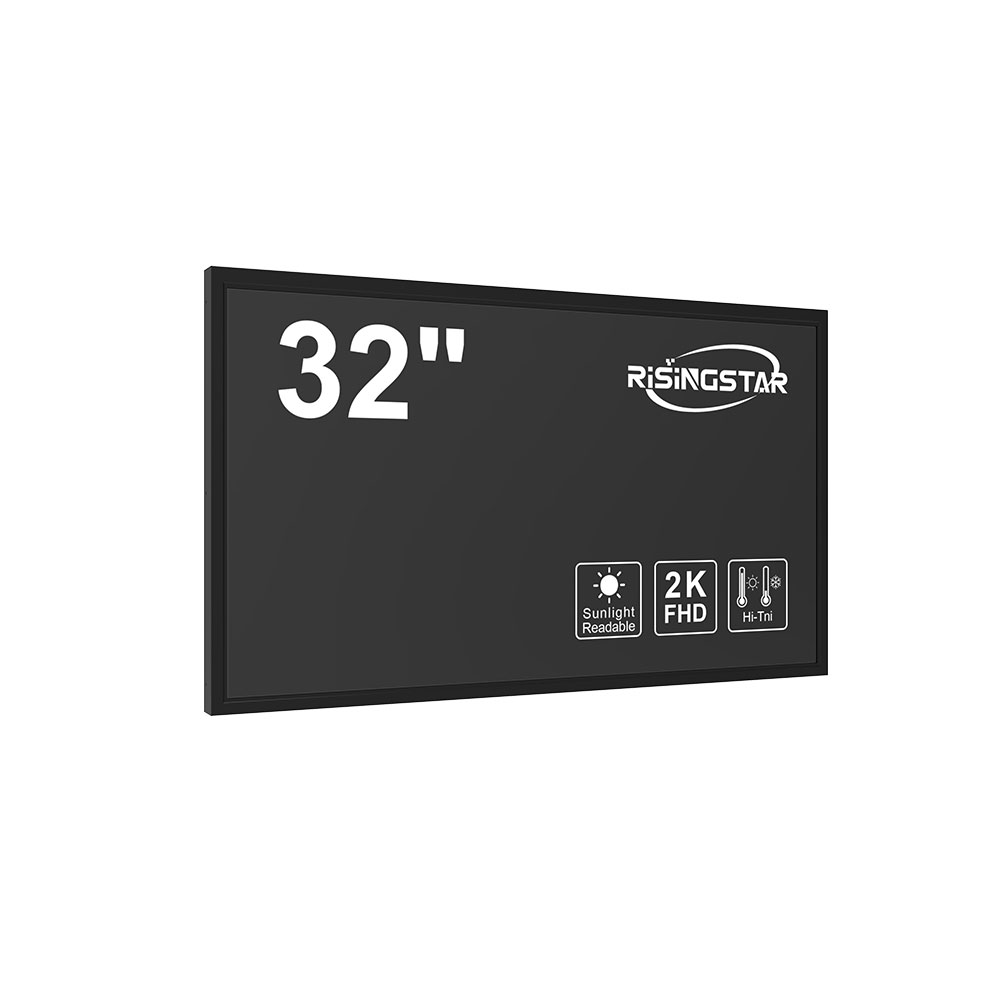
When selecting an LCD panel for your display application—whether it's for consumer electronics, industrial control systems, or medical devices—it's essential to understand the technical specifications, environmental conditions, and usage scenarios that influence performance. The right choice ensures longevity, clarity, and cost-effectiveness.
First, determine the display type: TN (Twisted Nematic), IPS (In-Plane Switching), VA (Vertical Alignment), or OLED. Each offers unique advantages. For example, IPS panels provide superior color accuracy and wide viewing angles, making them ideal for professional graphics work or medical imaging. In contrast, TN panels are faster in response time and more cost-effective, often used in gaming monitors. VA panels offer high contrast ratios but may suffer from slower response times, while OLEDs deliver deep blacks and vibrant colors but come at a higher price point and can be susceptible to burn-in over time.
Next, consider resolution and pixel density. Higher resolutions like 4K or QHD are critical for applications demanding sharp visuals—such as digital signage or automotive dashboards—where detail matters. Pixel density (PPI) should also align with the intended viewing distance. For instance, a 10-inch panel used in a handheld device must have a higher PPI than a 32-inch TV viewed from across the room.
Environmental factors matter just as much as specs. Industrial-grade LCDs must withstand extreme temperatures (from -30°C to +70°C), humidity, and vibration. Look for panels certified under MIL-STD-810G or IEC 60068, which ensure durability in harsh conditions. Additionally, ambient light sensitivity is crucial—use panels with anti-glare coatings or high brightness levels (>1000 nits) for outdoor use.
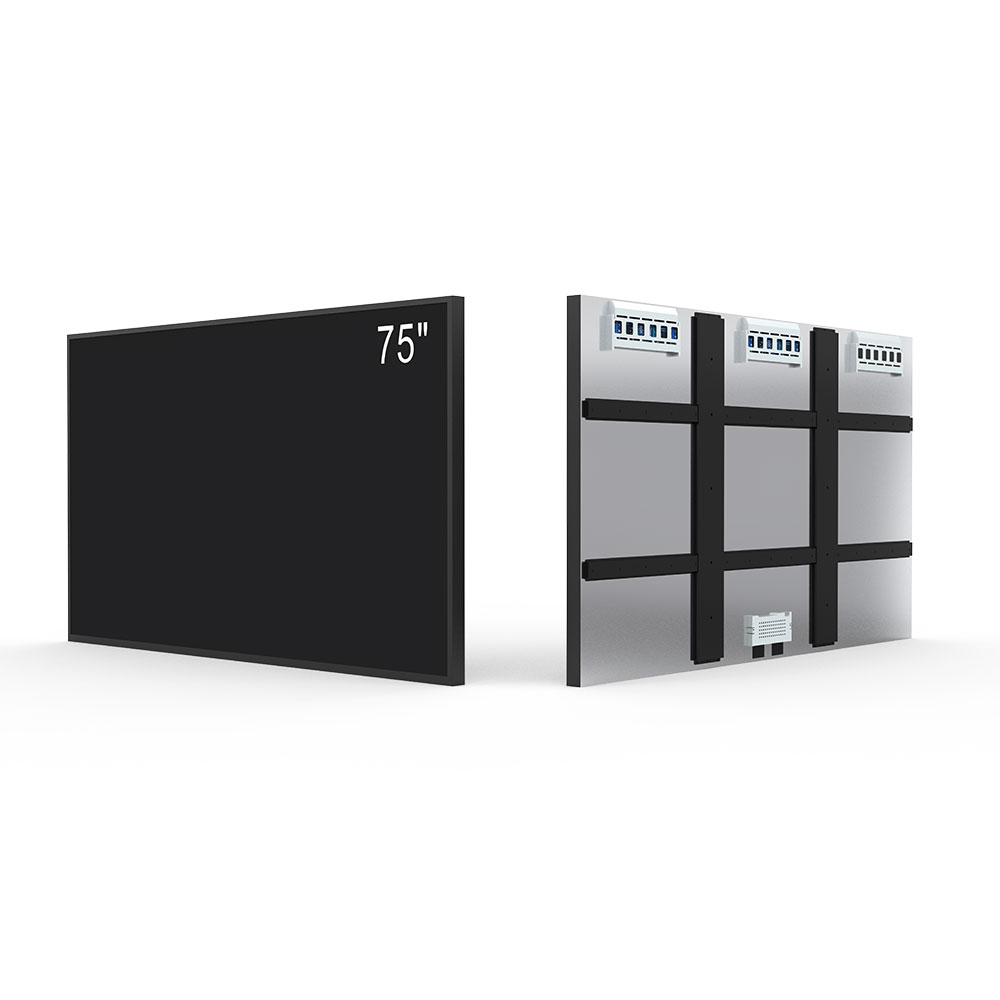
Power consumption is another key factor, especially in battery-powered devices. IPS panels typically consume more power than TN, so if efficiency is critical, evaluate options like low-power LCDs with LED backlighting or newer technologies such as mini-LED or micro-LED.
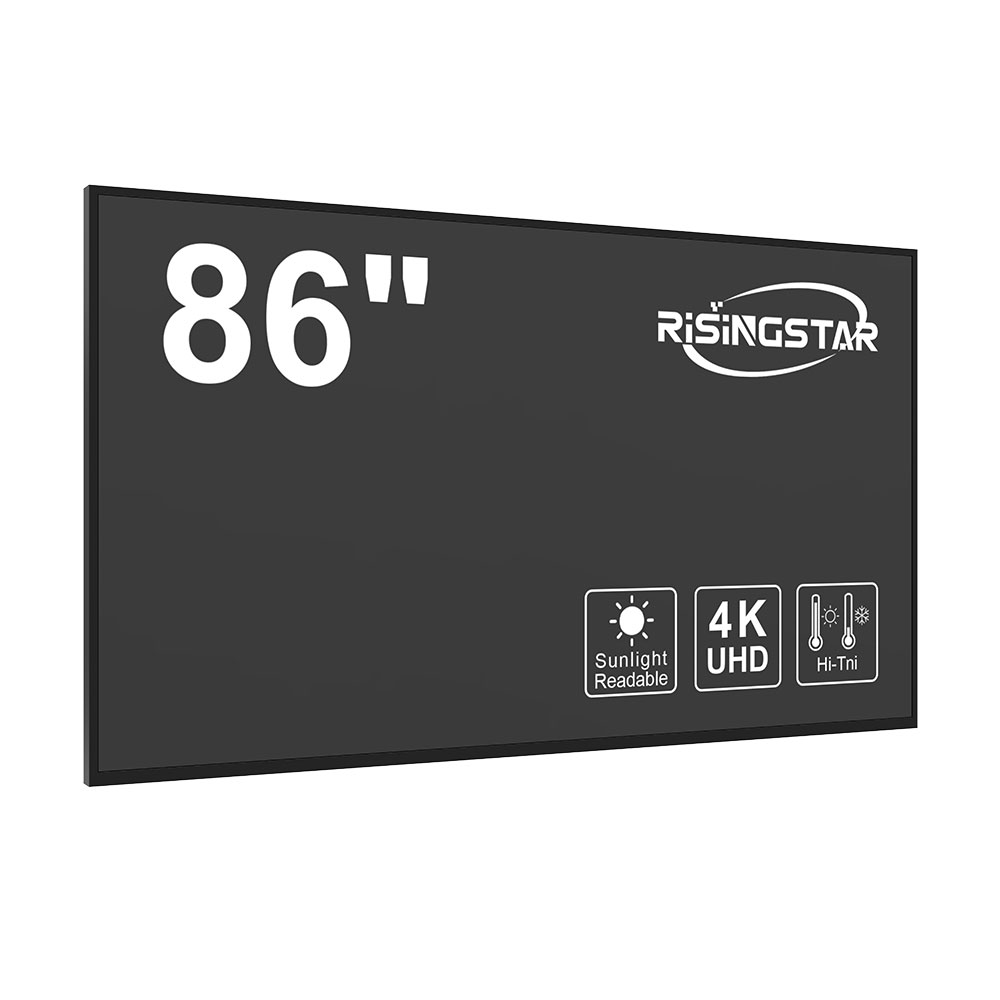
Finally, verify compatibility with your system’s interface—LVDS, MIPI DSI, or eDP—and ensure the panel supports necessary features like touch integration (capacitive vs. resistive) and firmware updates. Many manufacturers, such as AU Optronics, LG Display, and BOE, now offer modular designs that simplify integration into existing product lines.
By systematically evaluating these criteria—panel technology, resolution, environment resilience, power needs, and interface compatibility—you can confidently choose an LCD panel tailored to your exact requirements, ensuring optimal user experience and long-term reliability.