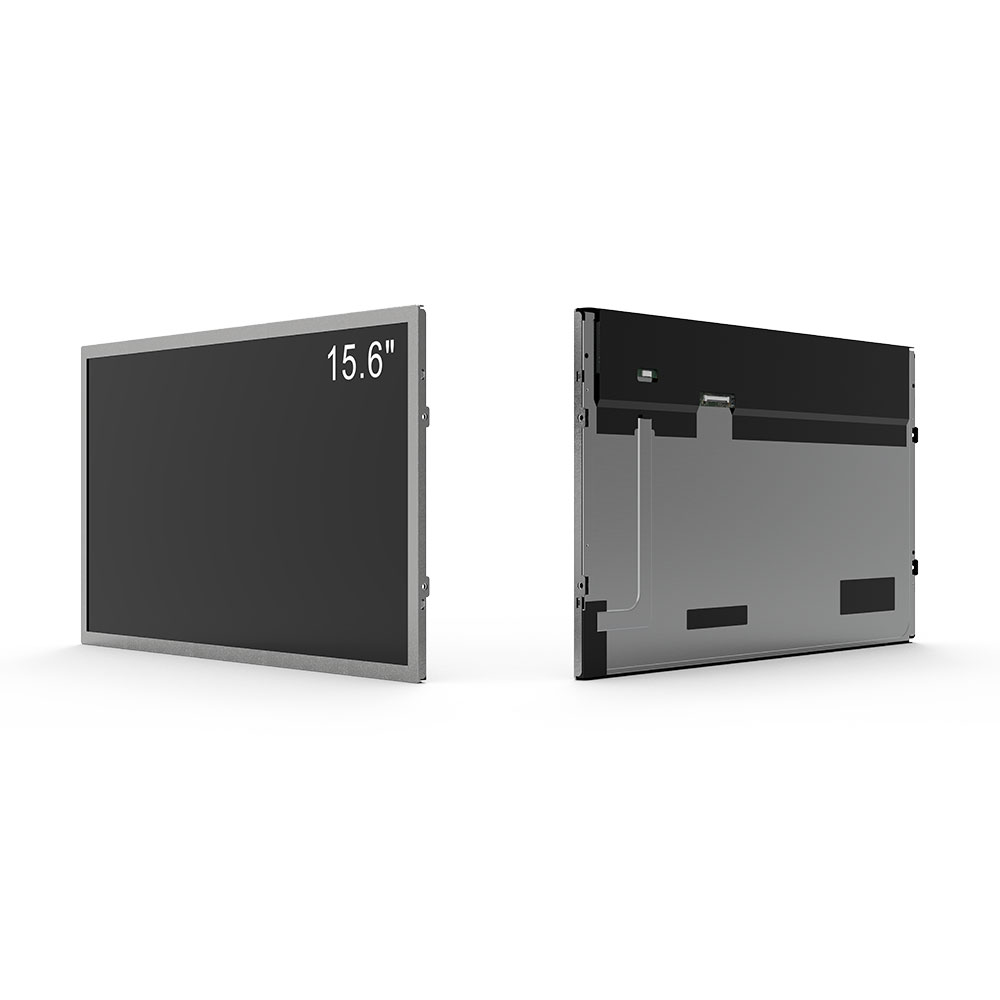
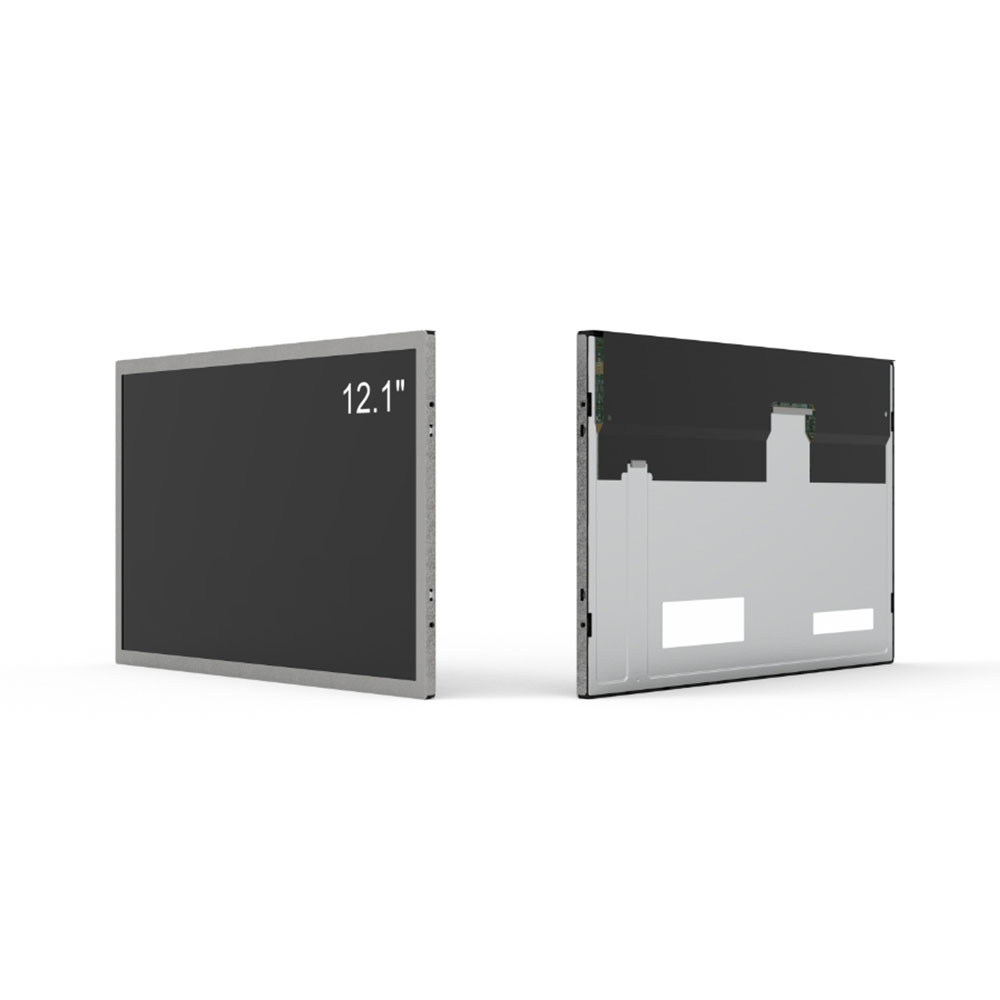
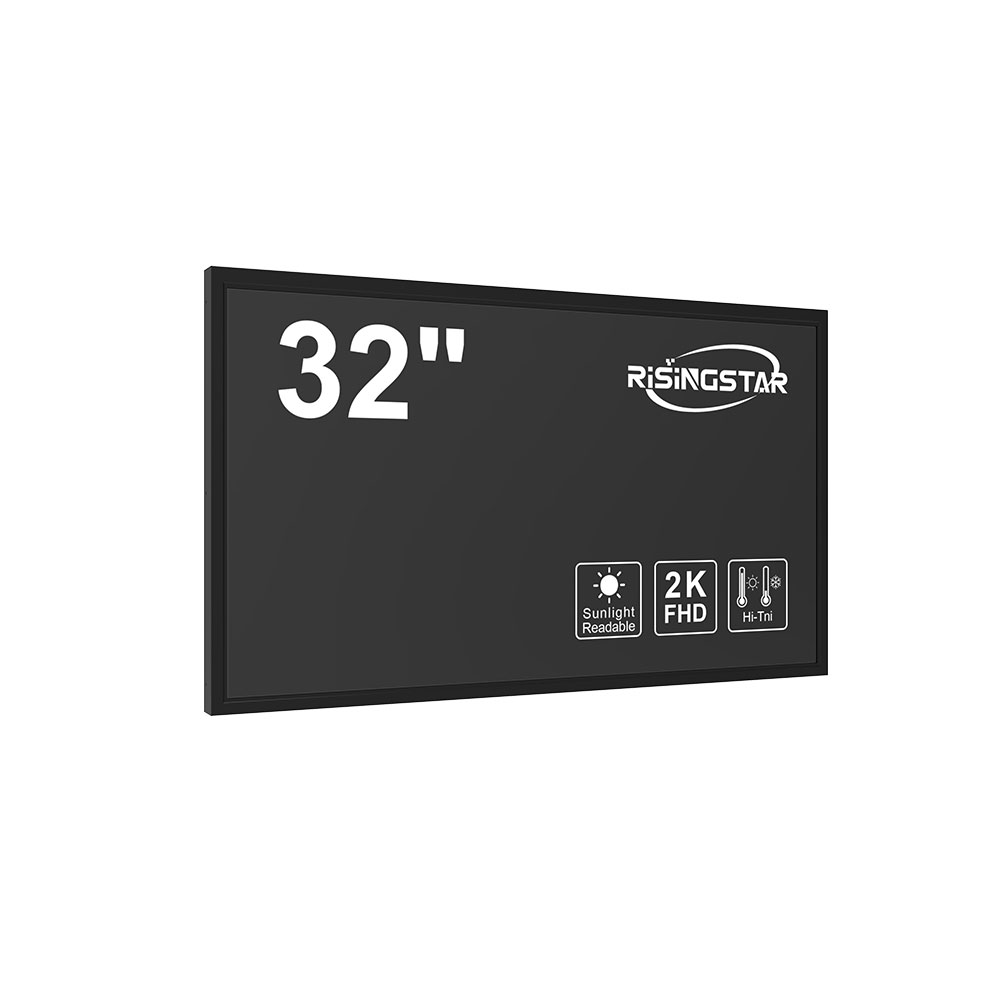
Selecting the appropriate LCD display for industrial applications requires careful consideration of environmental conditions, operational demands, and long-term reliability. Unlike consumer-grade screens, industrial LCDs must withstand extreme temperatures, vibration, humidity, and prolonged use without degradation. For instance, in manufacturing plants or outdoor kiosks, displays are often exposed to dust, moisture, and temperature fluctuations from -20°C to 70°C—conditions that would quickly damage standard consumer panels.
One critical factor is brightness. Industrial environments often have ambient lighting challenges—either too bright (like sunlight on a construction site) or too dim (in underground mining operations). High-brightness LCDs with 3,000 to 5,000 nits of luminance are essential for visibility under direct sunlight. Additionally, wide viewing angles (178° horizontal and vertical) ensure consistent image quality across different operator positions—a key requirement in control rooms or assembly lines.
Another important aspect is ruggedization. Industrial-grade LCDs are built with anti-glare coatings, sealed bezels, and shock-resistant casings. These features protect against physical impact, water ingress (IP65 or higher), and electromagnetic interference (EMI). Many manufacturers now follow MIL-STD-810G standards for durability testing, simulating real-world stressors like drop tests, thermal cycling, and humidity exposure.
Power efficiency also matters. In remote or mobile applications—such as drones, field service tools, or medical carts—low power consumption reduces battery drain and increases uptime. Displays using LED backlighting with adaptive brightness control can save up to 40% energy compared to older CCFL-based models.
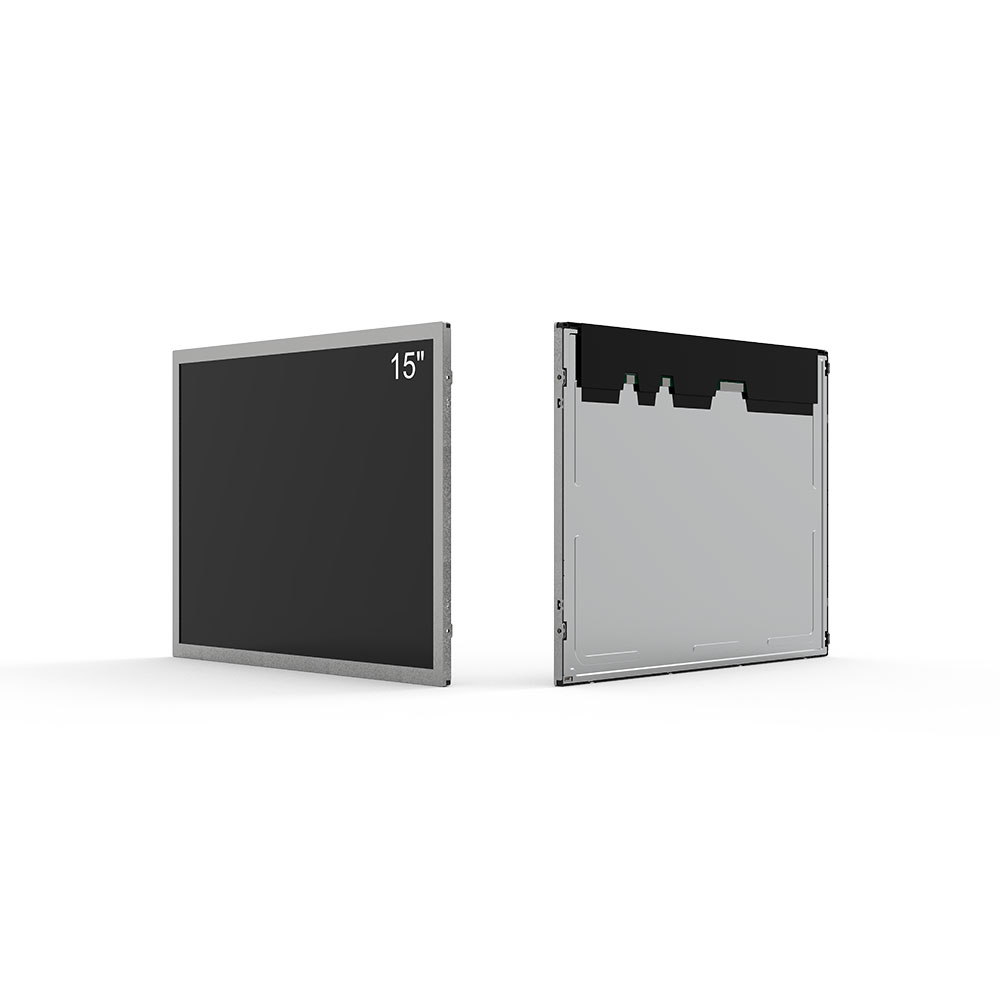
Finally, software integration and customization options are increasingly vital. Modern industrial LCDs support touch interfaces (capacitive or resistive), multiple input ports (HDMI, DisplayPort, USB-C), and compatibility with embedded systems like Linux or RTOS. Some vendors offer custom firmware development for specific workflows—such as machine diagnostics or inventory tracking—which enhances productivity and reduces training time.
In conclusion, choosing the right LCD for industrial use involves balancing performance, durability, and adaptability. Whether deploying in harsh factory settings or demanding field operations, selecting a display engineered for longevity—not just cost—ensures minimal downtime and maximum ROI over its lifecycle.