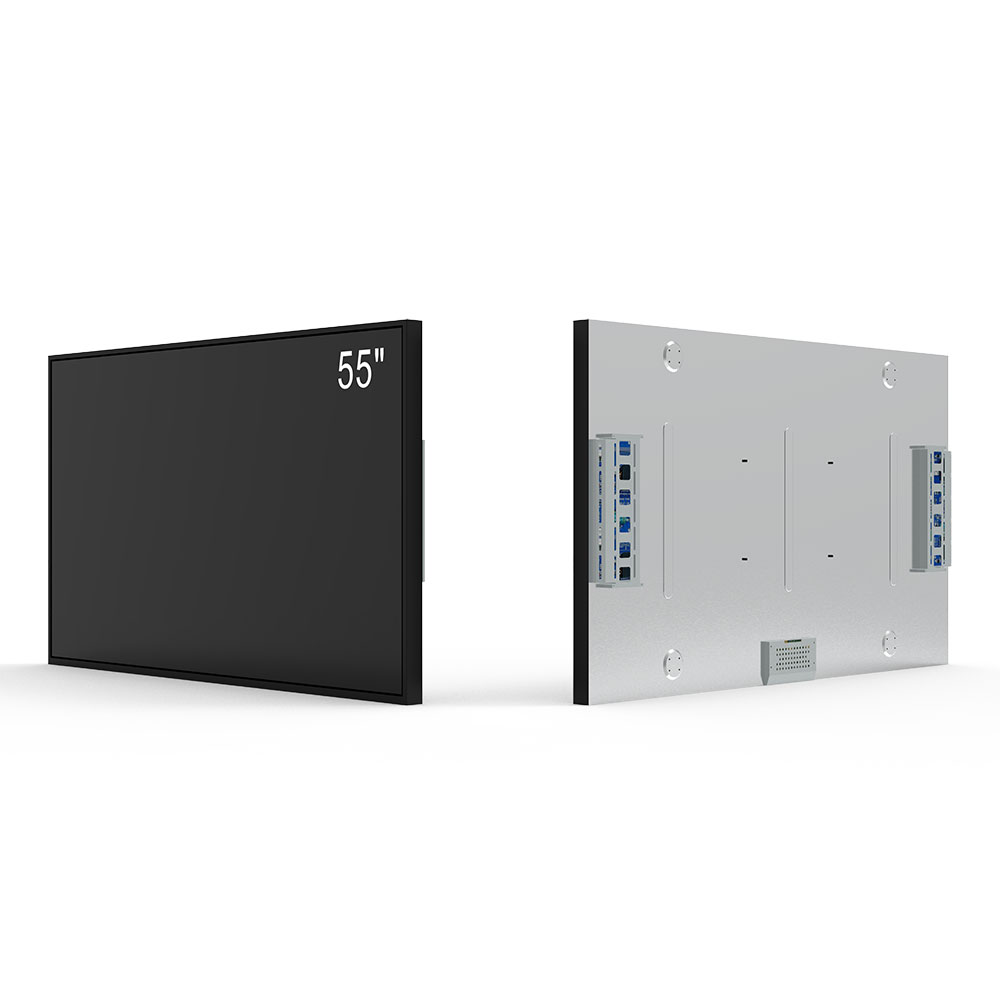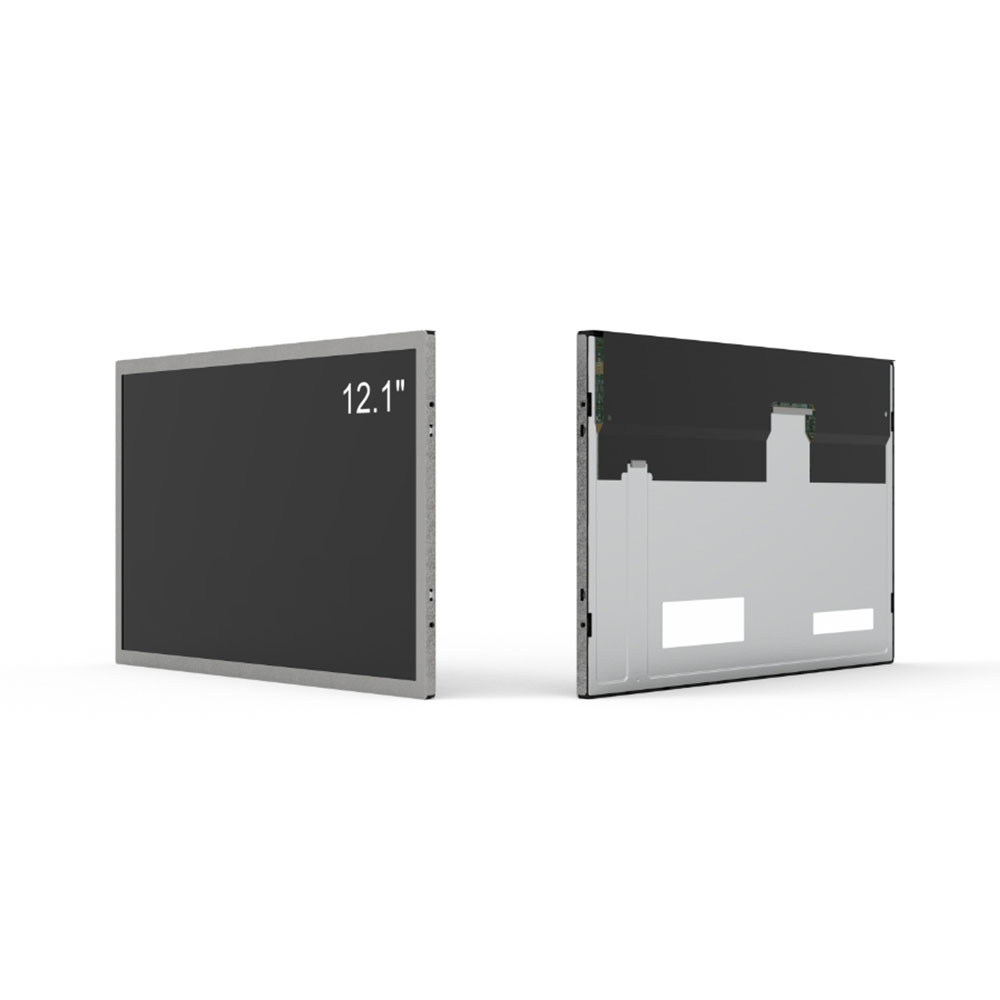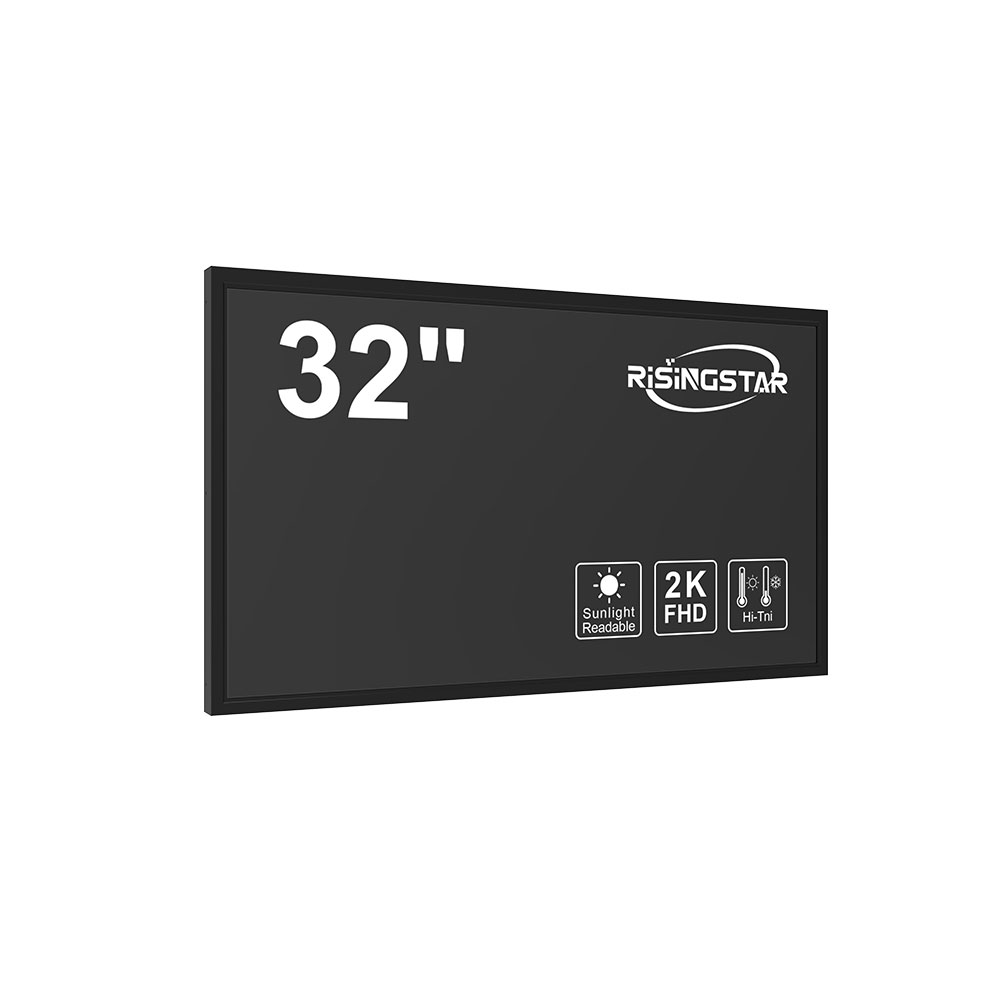
Selecting the appropriate LCD panel is a critical step in designing any display-based product, whether it's a smartphone, industrial monitor, automotive infotainment system, or medical device. The choice directly impacts performance, power efficiency, longevity, and user experience.
First, determine your application’s environment—industrial settings often require ruggedized panels with wide temperature ranges (-20°C to +70°C), while consumer electronics prioritize brightness (typically 300–500 cd/m²) and color accuracy (sRGB or DCI-P3 coverage). For example, LG Display’s LTPS (Low-Temperature Poly-Silicon) panels are widely used in smartphones due to their high resolution (up to 4K) and low power consumption.
Next, consider the display technology. TN (Twisted Nematic) panels offer fast response times (~1ms) but limited viewing angles and poor color reproduction—ideal for gaming monitors. IPS (In-Plane Switching) provides wider viewing angles and superior color consistency, making it preferred in professional design workstations. VA (Vertical Alignment) panels deliver high contrast ratios (up to 3000:1) but slower response times, suitable for home theater displays.
Backlighting matters too. LED-backlit panels dominate the market due to energy efficiency and longevity. OLED and Mini-LED are emerging alternatives offering deeper blacks and better HDR performance, though at higher cost. According to IHS Markit, by 2025, over 40% of premium smartphones will feature OLED displays.
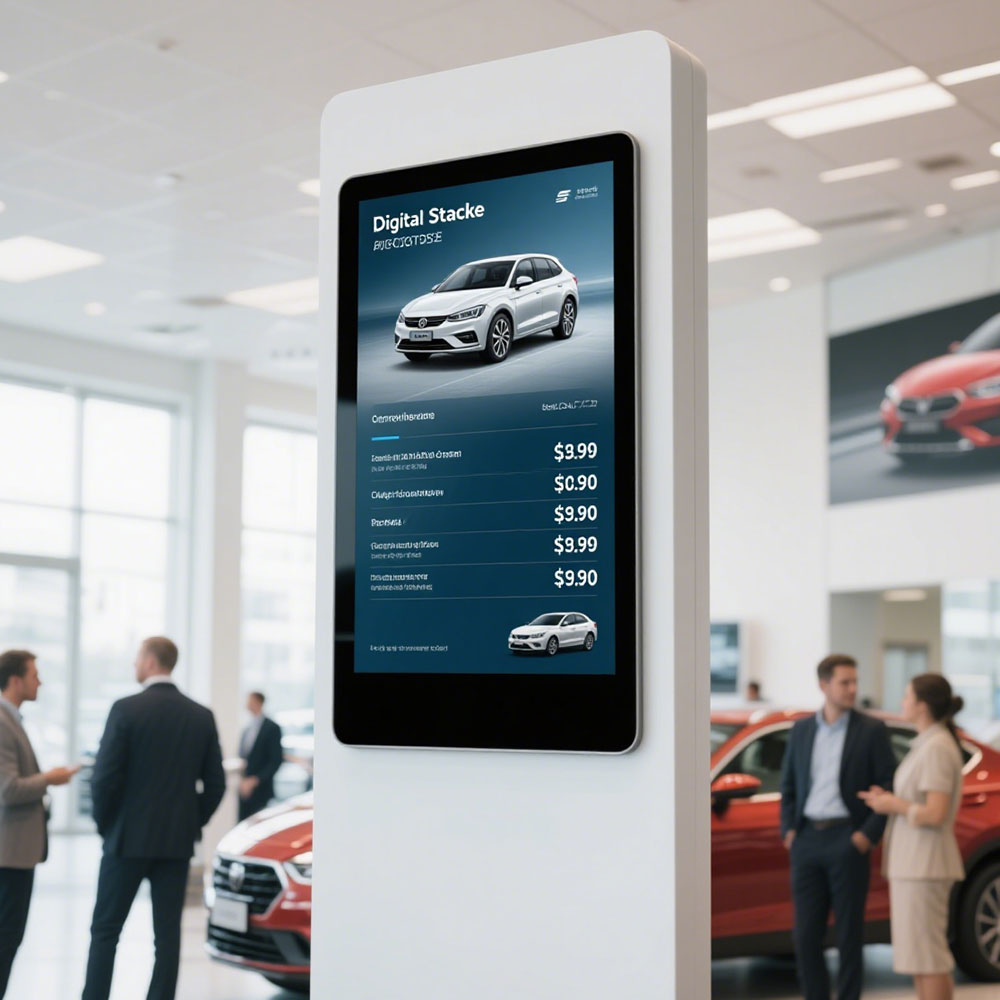
Also evaluate resolution, refresh rate, and touch integration. High-resolution panels (e.g., 1920x1080 or higher) are essential for content-rich applications like digital signage. A 60Hz refresh rate suffices for most use cases, but 120Hz is needed for smooth motion in gaming or AR/VR devices. Touch functionality must be considered early—capacitive touch is standard for mobile, while resistive touch is more durable in harsh environments.
Finally, consult industry certifications such as ISO 9001 for manufacturing quality and RoHS compliance for environmental safety. Reliable suppliers like BOE, AU Optronics, and Sharp provide comprehensive datasheets, sample availability, and technical support.
Choosing the right LCD panel requires balancing technical specs, cost, and real-world conditions—not just marketing claims. Always prototype with multiple panel types before finalizing your design.