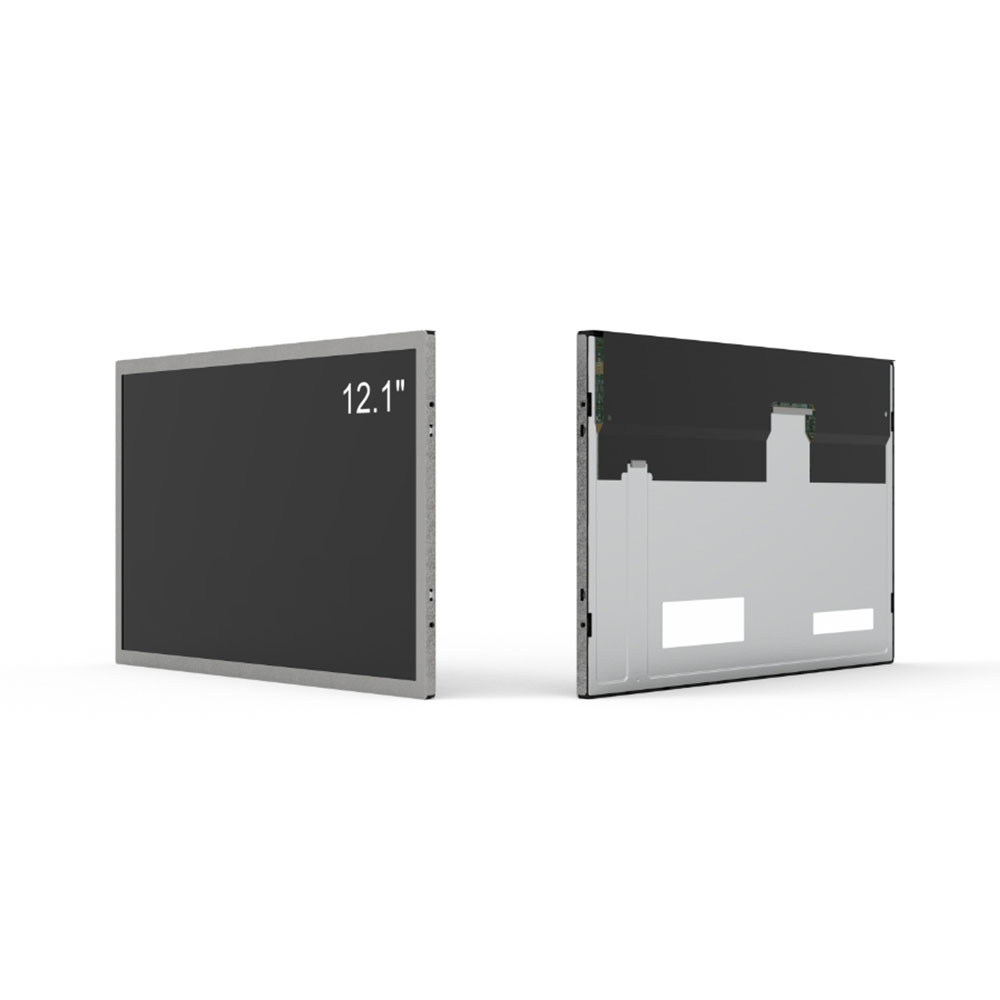
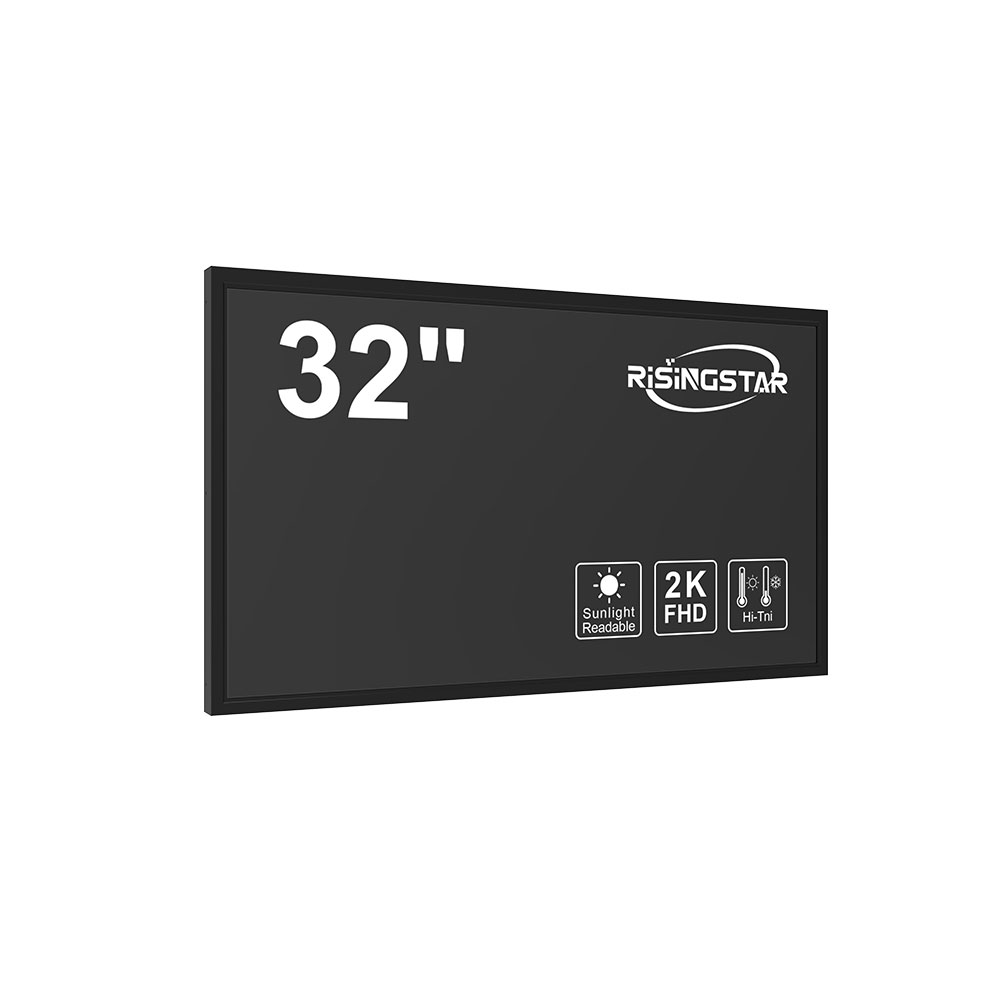
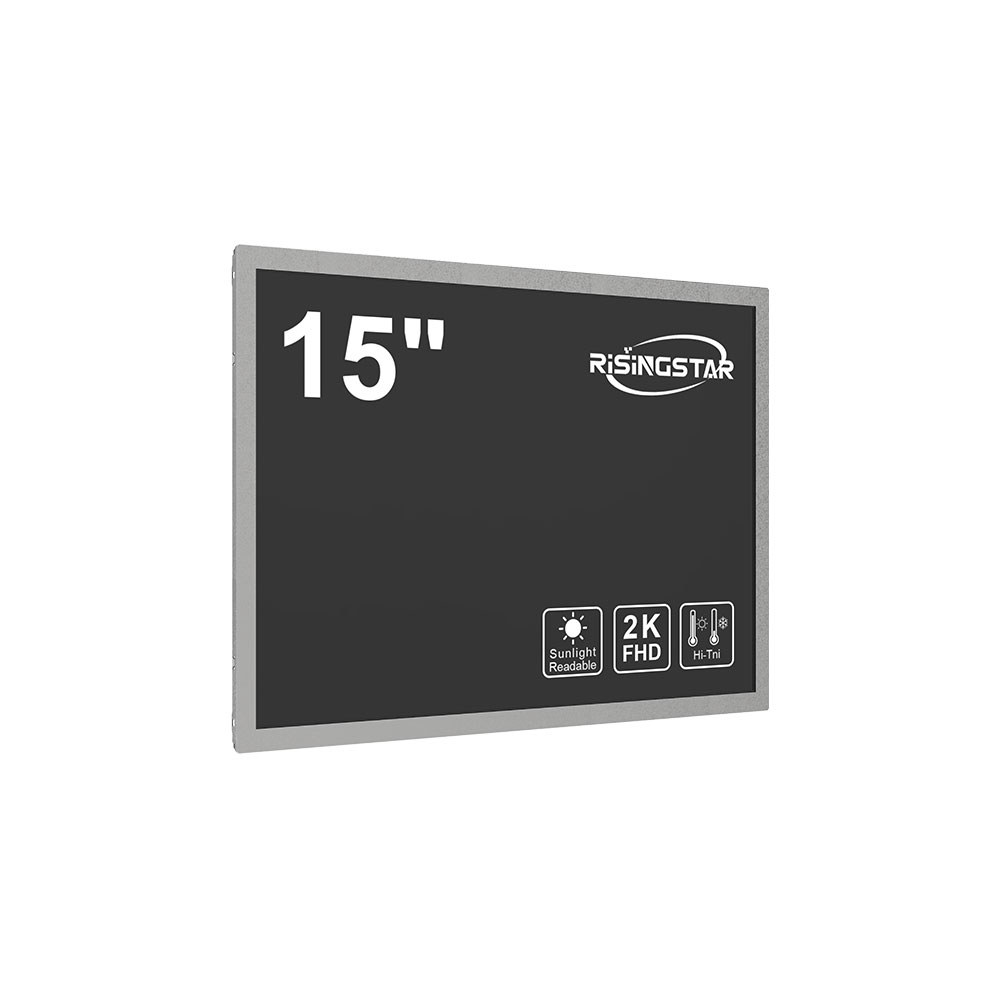
The LCD strip screen series has become a cornerstone in modern display technology, offering flexibility, scalability, and high-resolution visuals across a wide range of industrial, commercial, and consumer applications. From compact 14.1-inch displays to massive 86-inch panels, these screens are engineered to meet diverse operational needs—from digital signage and factory automation to retail kiosks and command centers.
Each size in the strip screen series—ranging from 14.1” to 86”—is tailored for specific use cases. For instance, the 19” to 24” range is commonly used in control rooms and point-of-sale (POS) systems due to its optimal balance of visibility and space efficiency. The 28”–37” models are ideal for interactive touchscreens in education, healthcare, and public information displays, while larger sizes like 48.5” and 58.4” dominate in digital advertising, traffic monitoring, and large-format data visualization.
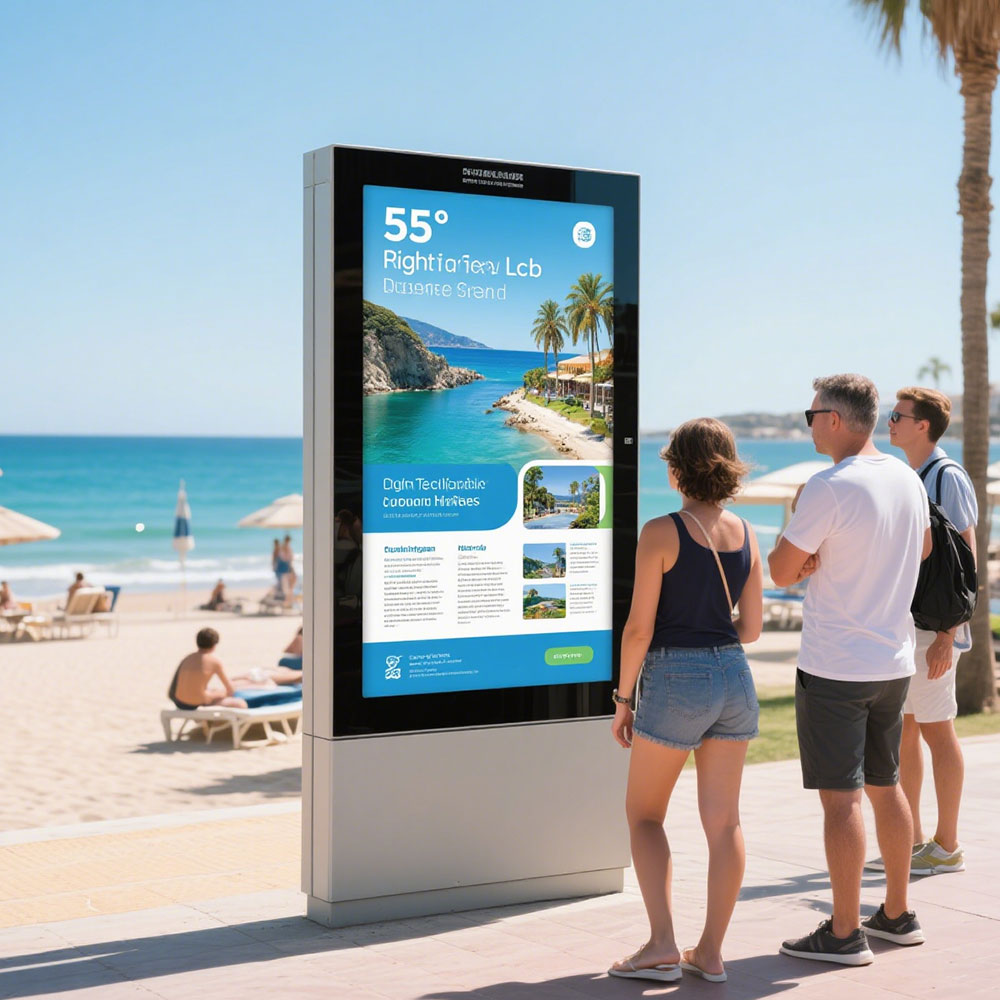
Manufacturers such as LG, Samsung, and AU Optronics produce these screens using advanced panel technologies including IPS (In-Plane Switching), VA (Vertical Alignment), and OLED variants, ensuring consistent color accuracy, wide viewing angles, and low power consumption. Many models support high brightness (up to 5000 nits for outdoor use), IP65-rated dust and water resistance, and ruggedized mounting options—making them suitable for harsh environments.
Industry standards like MIL-STD-810G for shock and vibration resistance, along with certifications such as CE, FCC, and RoHS, ensure reliability and compliance in global markets. Real-world deployments include automotive dashboards (21.2”, 23.1”), medical imaging (29.4”, 37.6”), and smart city infrastructure (49.5”, 58.6”). Customer reviews consistently praise the durability of 42” and 48.3” models in 24/7 operation settings, citing minimal degradation after 50,000+ hours of continuous use.
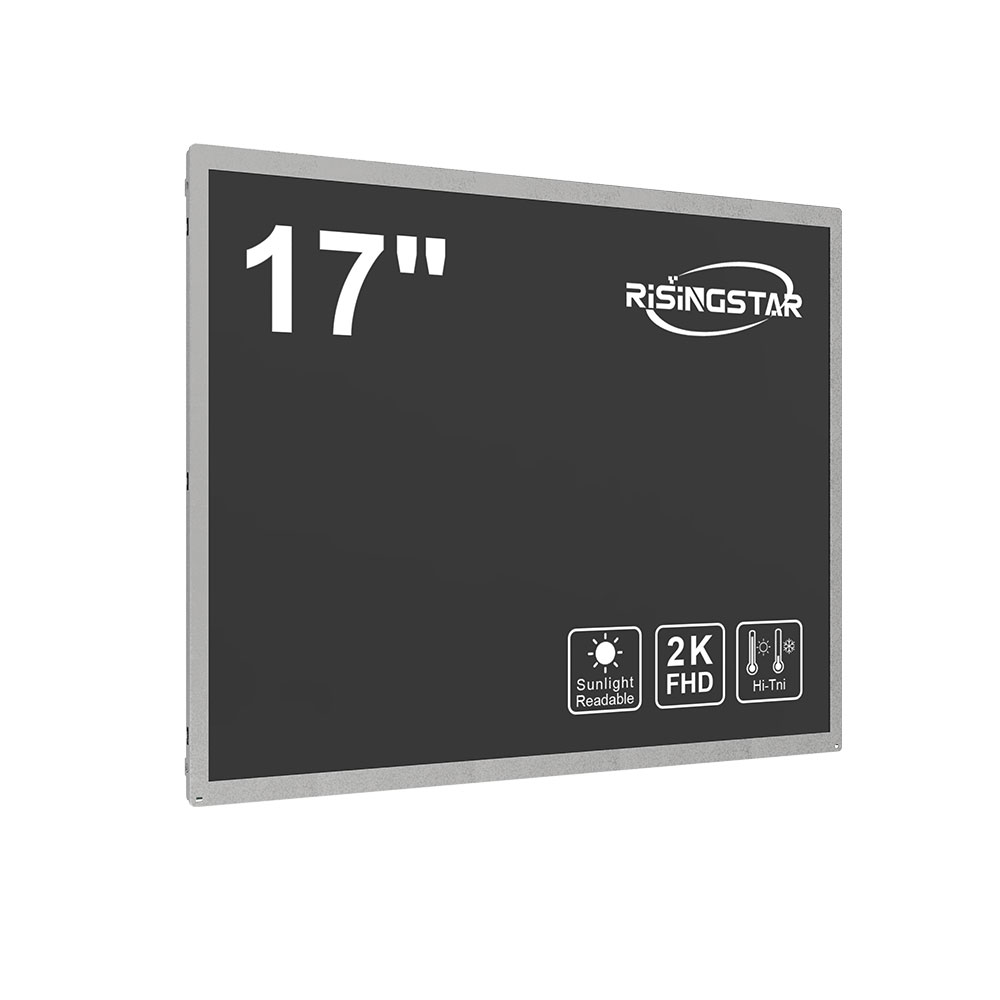
As demand grows for seamless multi-display setups, the strip screen series supports edge-to-edge tiling, bezel-less designs, and software integration via HDMI, DisplayPort, and USB-C inputs. With rising adoption in AI-powered visual analytics and IoT-connected systems, this series remains at the forefront of next-generation display innovation.