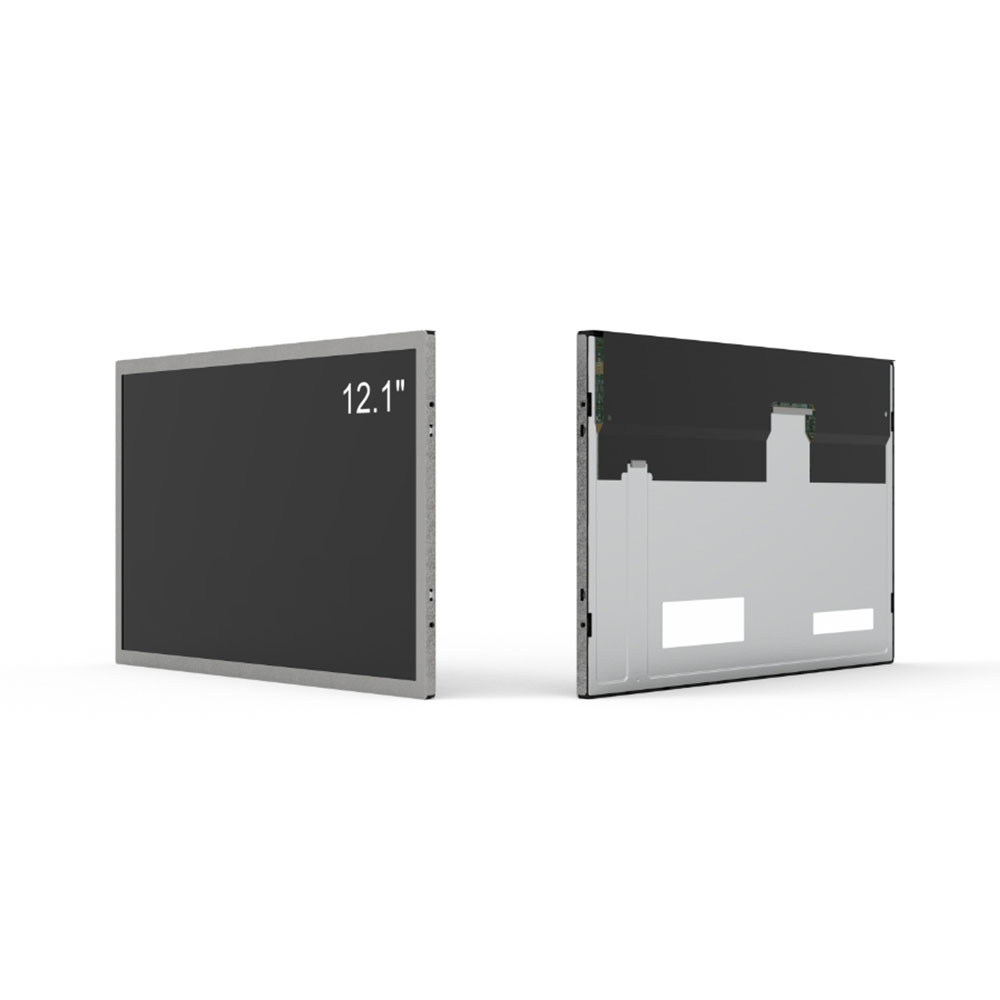
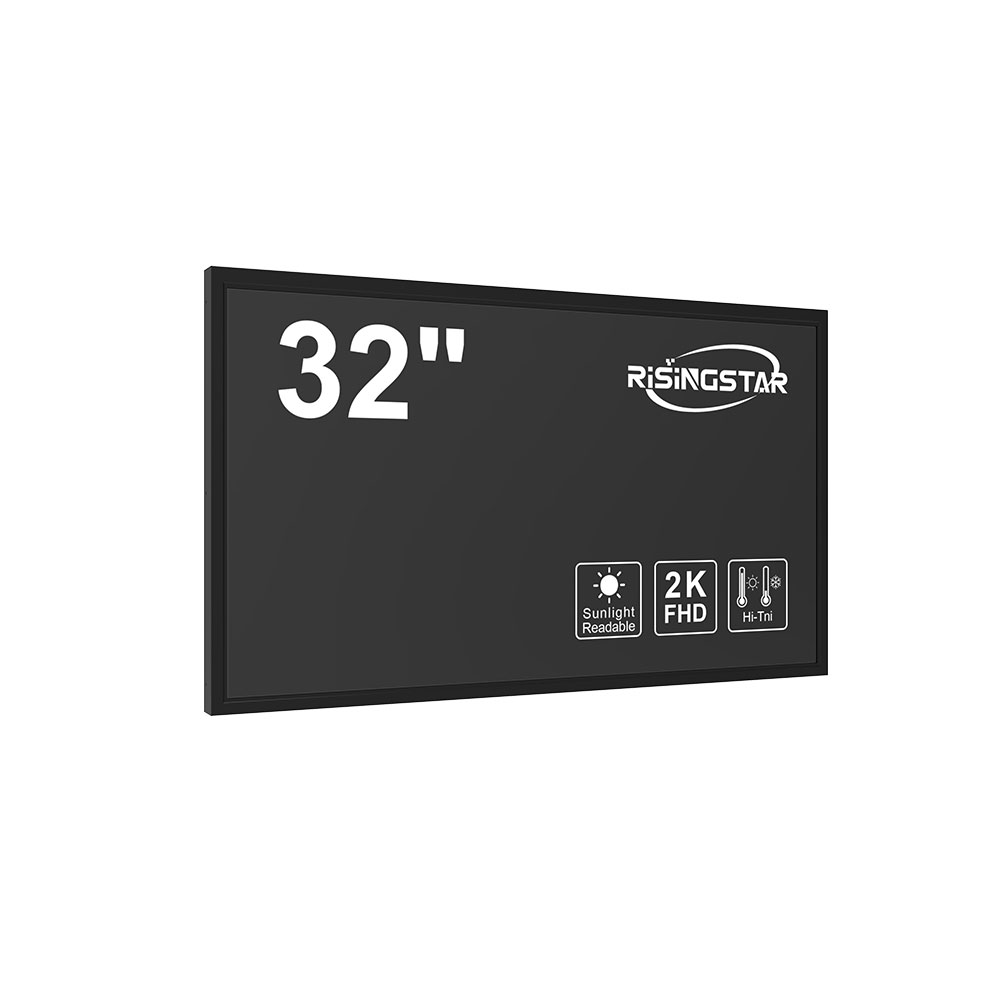
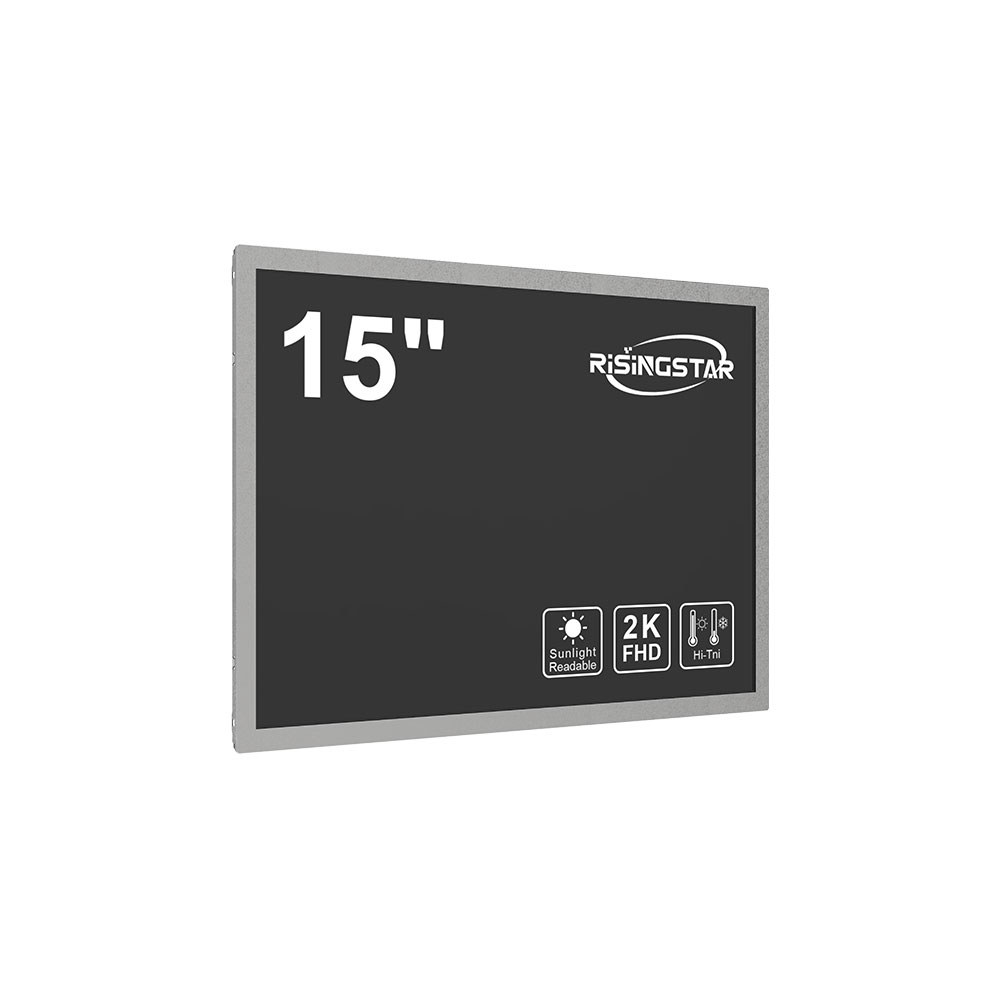
LCD (Liquid Crystal Display) technology has become a cornerstone of modern visual communication, powering everything from smartphones and laptops to industrial control panels and medical imaging systems. The core principle behind LCDs lies in manipulating liquid crystals using electric fields to control light passage—enabling sharp, energy-efficient displays with high resolution. This article explores how LCDs function, their advantages over other display technologies like OLED or LED-backlit screens, and their critical role across diverse industries.
The introduction of LCDs in the 1970s revolutionized consumer electronics by offering a thin, lightweight alternative to bulky cathode-ray tubes (CRTs). Today, LCDs dominate the global display market, accounting for over 85% of all flat-panel displays according to market research by Statista (2023). Their widespread adoption is due to several factors: low power consumption, mature manufacturing processes, cost-effectiveness, and scalability—from small wearable devices to massive digital signage.
In the main body, we examine the technical architecture of an LCD panel, which includes layers such as polarizers, color filters, TFT (Thin-Film Transistor) arrays, and backlight units. Each component plays a vital role in image clarity, brightness, and response time. For instance, advanced IPS (In-Plane Switching) panels offer wide viewing angles and accurate color reproduction, making them ideal for professional design work. Meanwhile, VA (Vertical Alignment) panels provide deeper blacks and higher contrast ratios, suitable for home entertainment systems.
Industrially, LCDs are indispensable. In healthcare, diagnostic monitors use LCDs for real-time imaging during surgeries or MRI scans, where consistency and precision matter. Automotive dashboards now integrate LCDs for customizable interfaces, enhancing driver safety through intuitive navigation. Manufacturing plants rely on LCD-based HMI (Human-Machine Interface) systems to monitor production lines efficiently. Additionally, environmental resilience—such as resistance to temperature extremes and humidity—is tested under MIL-STD-810 standards, ensuring reliability in harsh conditions.
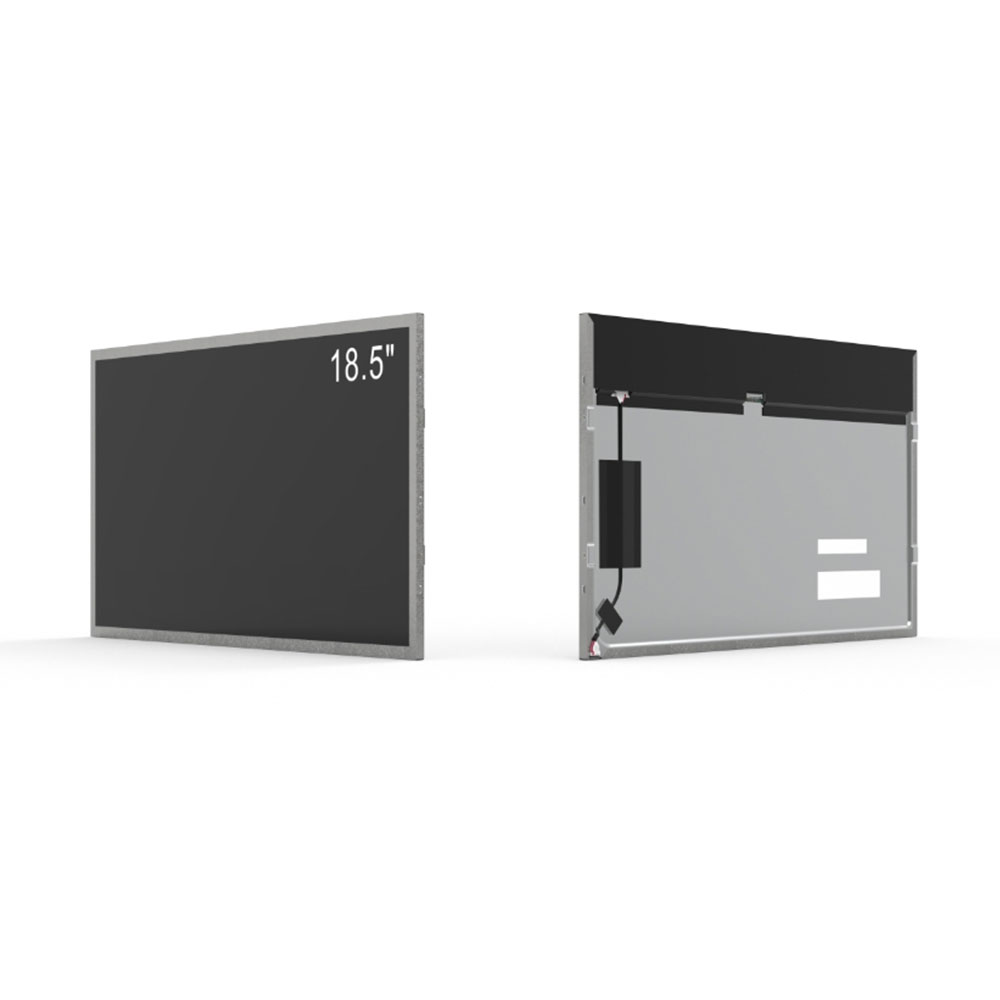
Despite competition from newer technologies like MicroLED and OLED, LCDs remain dominant in budget-conscious and mass-market applications. Recent innovations, including mini-LED backlights and quantum dot enhancements, have significantly improved LCD performance, narrowing the gap with premium alternatives. As global demand for energy-efficient and scalable displays rises, especially in smart cities and IoT ecosystems, LCDs continue to evolve rather than fade away.
In conclusion, LCD technology remains a robust, adaptable, and economically viable solution for both consumer and industrial needs. Its proven track record, ongoing innovation, and integration into emerging tech sectors underscore its enduring relevance in the display industry.