
Sunlight-Readable High-Brightness LCD Displays for Outdoor Industrial Applications
In today’s industrial and outdoor environments, reliable visibility under direct sunlight is no longer a luxury—it's a necessity. Whether deployed in construction sites, transportation systems, or energy infrastructure, high-brightness LCD displays must perform consistently under extreme lighting conditions. Sunlight-readable LCDs are engineered to deliver clear, readable visuals even under 100,000 lux of ambient light—a standard benchmark used in the industry.
The core challenge lies in balancing brightness, contrast, and power efficiency while maintaining image integrity. Traditional LCDs often fail in bright environments due to low peak luminance (typically 300–500 nits) and poor contrast ratios. In contrast, modern sunlight-readable displays exceed 3,000 nits peak brightness—some reaching up to 5,000 nits—and incorporate advanced technologies like anti-glare coatings, polarization filters, and adaptive backlighting. These features ensure content remains legible during sunrise, midday glare, or sunset.
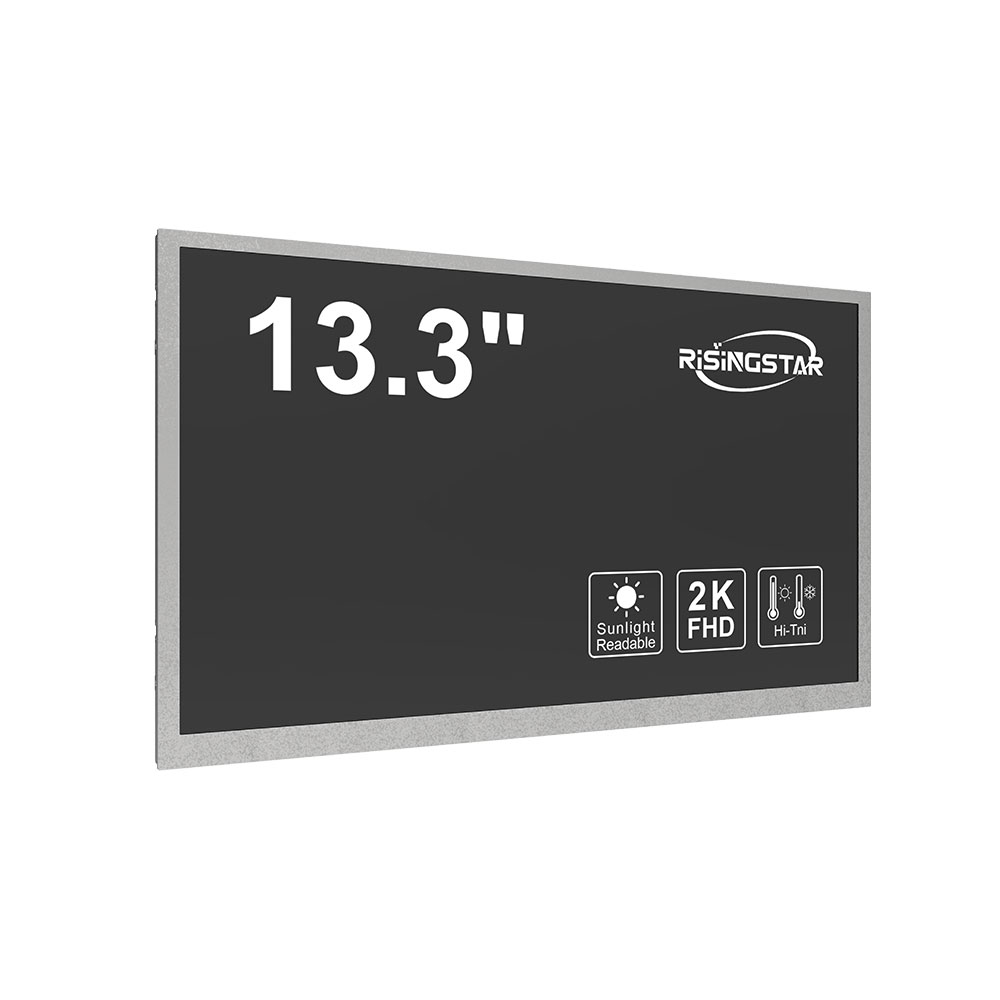
Industry standards such as MIL-STD-810G and IEC 60068 validate durability and performance under harsh environmental stressors including temperature extremes (-20°C to +70°C), humidity, shock, and vibration. Manufacturers like Sharp, LG, and BOE now integrate these specifications into ruggedized designs that meet military-grade requirements without sacrificing operational efficiency. For example, an outdoor kiosk in a desert environment requires not only high brightness but also dustproof enclosures (IP65 rating) and thermal management systems to prevent overheating.
Moreover, energy efficiency matters—even in sunlight-readable applications. Modern LED-backlit panels reduce power consumption by up to 40% compared to older CCFL-based systems, making them ideal for solar-powered installations or battery-operated devices. Advanced dimming algorithms dynamically adjust brightness based on ambient light sensors, preserving battery life while ensuring optimal visibility.
From agriculture monitoring stations to airport baggage systems, the demand for robust, sunlight-readable displays continues to grow. As smart cities expand and IoT devices become ubiquitous, engineers must prioritize display quality—not just aesthetics—to ensure safety, usability, and long-term reliability in outdoor settings.
Conclusion: Choosing the right sunlight-readable high-brightness LCD isn’t merely about brightness specs—it’s a holistic decision involving environmental resilience, user experience, and system integration. With the right design and materials, these displays can thrive where others fail.
上一篇:Sunlight Readable High Brightness LCD Screens with 2K and 4K Resolution Options
下一篇:Sunlight-Readable High-Brightness LCD Displays for Outdoor Industrial Applications