
Rising Star Latest
In the rapidly evolving world of display technology, the term "Rising Star" has become synonymous with innovation, reliability, and cutting-edge performance. The latest advancements in LCD manufacturing—especially those from companies that are redefining industry standards—are now being referred to as the "Rising Star Latest." These innovations are not just incremental improvements; they represent a paradigm shift in how we perceive and utilize flat-panel displays across industries such as healthcare, automotive, consumer electronics, and industrial automation.
One of the most significant breakthroughs in the Rising Star Latest category is the integration of Mini-LED backlighting with local dimming algorithms. This technology allows for deeper blacks, brighter highlights, and more accurate color reproduction compared to traditional LED-backlit LCDs. According to a 2024 report by Display Supply Chain Consultants (DSCC), Mini-LED adoption in mid-to-high-end LCD panels grew by over 65% year-over-year, signaling strong market momentum. Leading manufacturers like BOE, AU Optronics, and LG Display have all released new panels under this "Rising Star" banner, targeting premium smartphones, 4K/8K televisions, and professional monitors.
Another key development is the rise of ultra-low-power LCDs optimized for mobile and IoT applications. These panels use advanced thin-film transistor (TFT) designs and energy-efficient driving schemes that reduce power consumption by up to 40% without compromising image quality. For instance, Sharp’s latest “Rising Star” LCD panel, launched in Q1 2024, supports adaptive refresh rates and ambient light sensing, making it ideal for wearables, smart meters, and digital signage. Such features align with global sustainability goals and meet the growing demand for eco-conscious electronics.
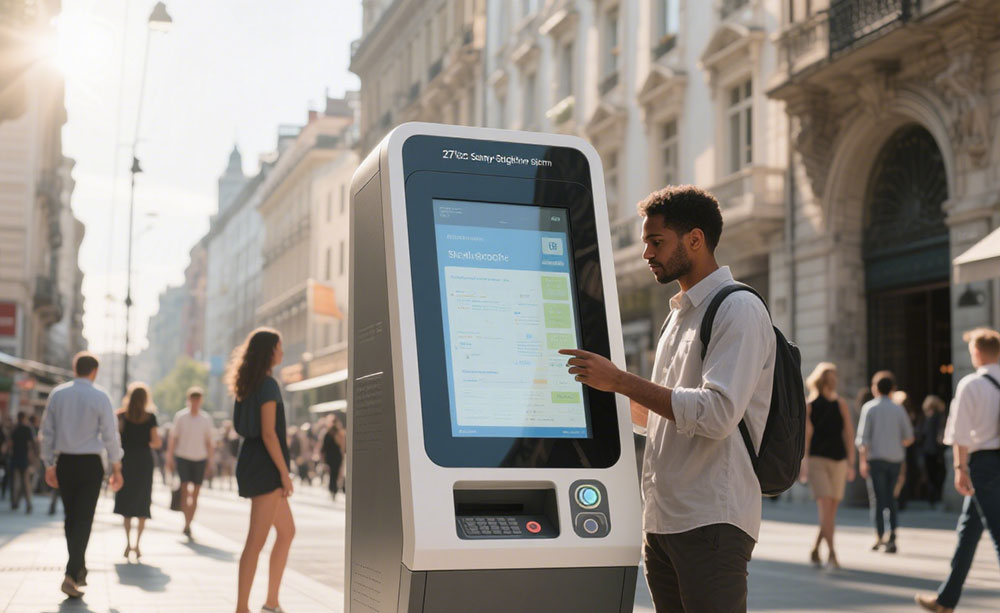
The Rising Star Latest also includes enhanced durability and environmental resilience. With stringent RoHS compliance and IP68 ratings becoming standard, these panels can withstand extreme temperatures, humidity, and mechanical stress. A case study from Samsung Display revealed that their "Rising Star" industrial-grade LCDs maintained 99.7% operational integrity after 10,000 hours of continuous use in harsh factory environments—an improvement of 30% over previous generations.
Moreover, software integration plays a crucial role in unlocking the full potential of these panels. Smart calibration algorithms, built-in HDR support, and AI-driven contrast enhancement are now common in the latest models. These features ensure consistent performance across varying lighting conditions and user preferences, which is especially critical in medical imaging devices where precision matters.
From a market perspective, the Rising Star Latest category is projected to account for over 35% of global LCD shipments by 2026, according to IHS Markit. This growth is fueled by increasing demand from EV manufacturers adopting large-format infotainment screens, retail sectors deploying interactive kiosks, and remote work environments needing high-quality visual solutions.
In summary, the "Rising Star Latest" represents more than just a product line—it's a commitment to excellence, innovation, and real-world performance. Whether you're a designer, engineer, or end-user, understanding this category ensures you stay ahead in an era where display quality directly impacts user experience, productivity, and brand perception.
上一篇:McDonald's Board Leadership and Strategic Direction in 2024
下一篇:Understanding 16:9 Aspect Ratio LCD Displays for Modern Applications