
McDonald's Menu Boards Design and Impact on Customer Behavior
McDonald’s menu boards are far more than just a list of food items—they are carefully engineered tools that blend psychology, technology, and brand strategy to drive sales and customer engagement. In today’s fast-paced restaurant environment, the visual presentation of offerings directly influences consumer choices, especially in a high-volume setting like McDonald’s. These digital menu boards, often featuring bright colors, dynamic animations, and real-time updates, have become essential components of modern quick-service restaurants (QSRs).
The evolution from static paper menus to LED-based digital displays marks a major shift in how McDonald’s communicates with its customers. According to a 2023 study by Technomic, restaurants using digital menu boards saw an average 5–10% increase in average ticket size due to upselling and item visibility enhancements. McDonald’s has leveraged this trend aggressively—deploying over 14,000 digital menu boards globally as of 2024, with more than 90% of U.S. locations now equipped with them.
What makes McDonald’s menu boards so effective? First, they use behavioral science principles. For instance, the placement of premium items like the McFlurry or Chicken Selects at eye level, combined with vibrant imagery and limited-time offers (LTOs), creates urgency and drives impulse purchases. Second, these boards are integrated with point-of-sale (POS) systems to adjust pricing dynamically based on time of day, weather, and inventory levels—an approach known as “menu engineering.”
Environmental factors also matter. A 2022 report from the National Restaurant Association found that well-designed menu boards in high-traffic areas increased dwell time by up to 22%, allowing staff to engage customers more effectively. McDonald’s uses large-format screens positioned near the register, ensuring visibility even during peak hours. Additionally, voice-enabled ordering kiosks paired with AI-driven recommendations further personalize the experience—enhancing both speed and satisfaction.
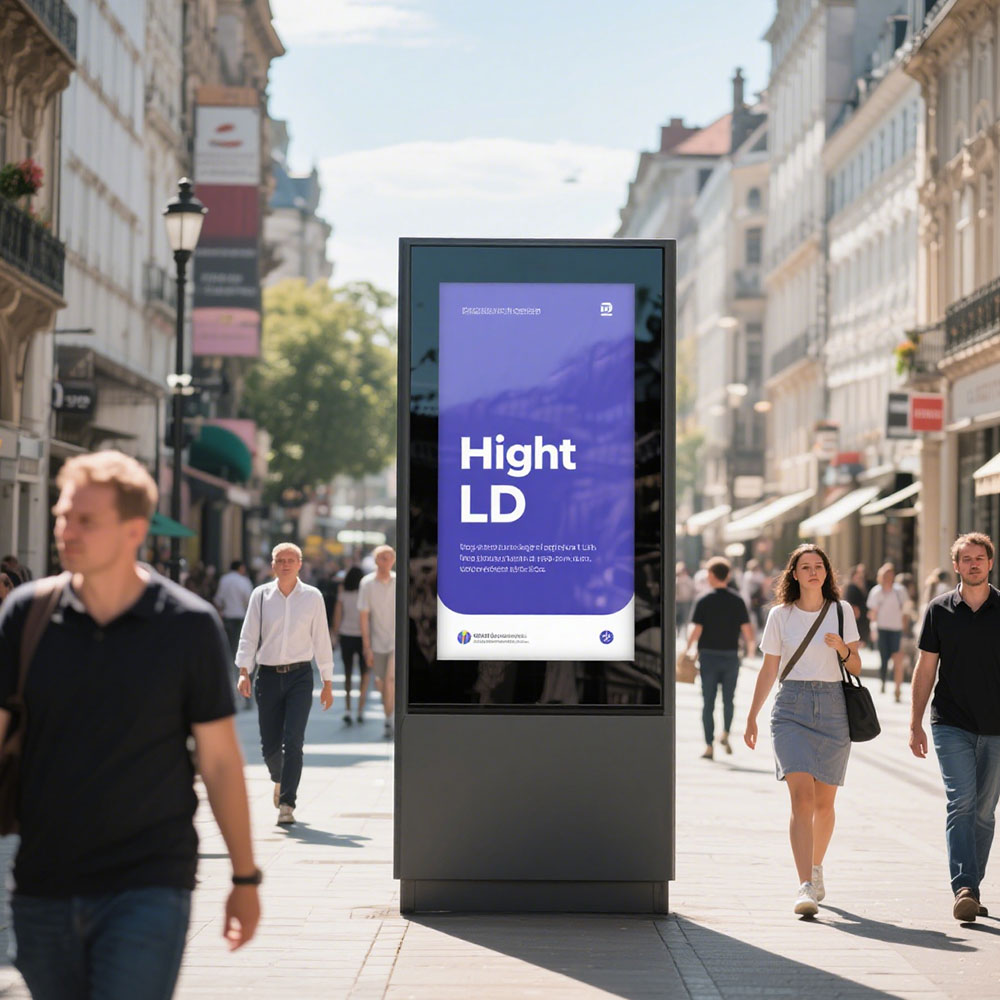
From a technical standpoint, McDonald’s employs modular display systems from manufacturers like LG and Panasonic, which offer durability for outdoor use and support for multi-zone content scheduling. This allows for regional customization—such as promoting hot beverages in colder climates or plant-based options in urban markets.
In conclusion, McDonald’s menu boards are not just about displaying prices—they are strategic marketing assets. Whether through real-time personalization, data-driven design, or psychological triggers, these boards play a critical role in shaping the customer journey from decision to purchase. As digital signage technology continues to evolve, McDonald’s remains a leader in leveraging this tool to maintain market dominance and enhance customer experience.
上一篇:How to Choose the Right LCD Display for Industrial Equipment Manufacturing
下一篇:How to Choose the Right LCD Panel for Your Display Application