In the rapidly evolving landscape of display technology, LCD screens have become a cornerstone across industries—from consumer electronics to industrial automation. The 16:9 aspect ratio remains the industry standard for most modern displays, offering optimal compatibility with HD, Full HD, and even 4K content. This ratio ensures efficient use of screen real estate while aligning with global video and gaming formats.
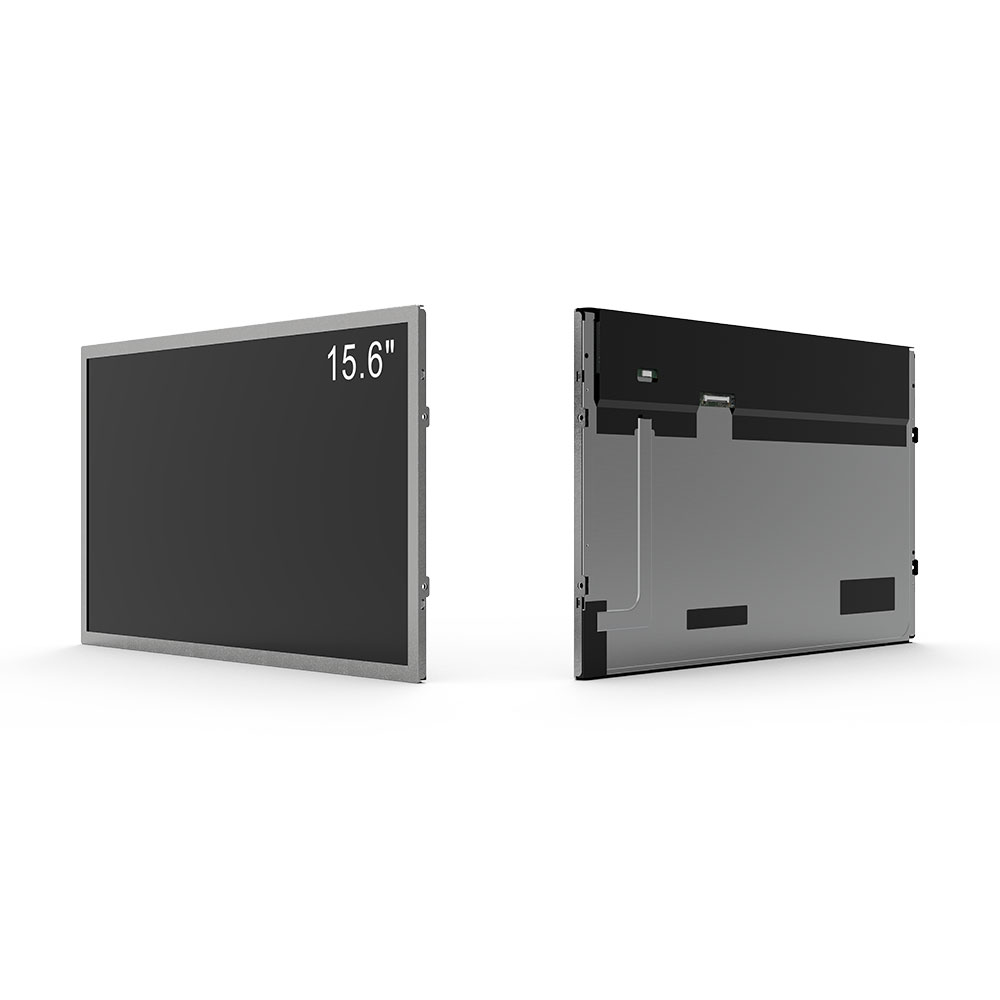
Common LCD display sizes include 10.1 inches (ideal for portable devices like tablets and handheld scanners), 13.3 inches (used in ultrabooks and mobile workstations), and 15.6 inches (the go-to size for laptops and budget-friendly desktop monitors). For office and educational environments, 18.5-inch and 21.5-inch panels are widely adopted due to their balance of cost, clarity, and space efficiency. Larger 23.8-inch and 27-inch displays cater to productivity-focused users—offering ample workspace for multitasking and design workflows.
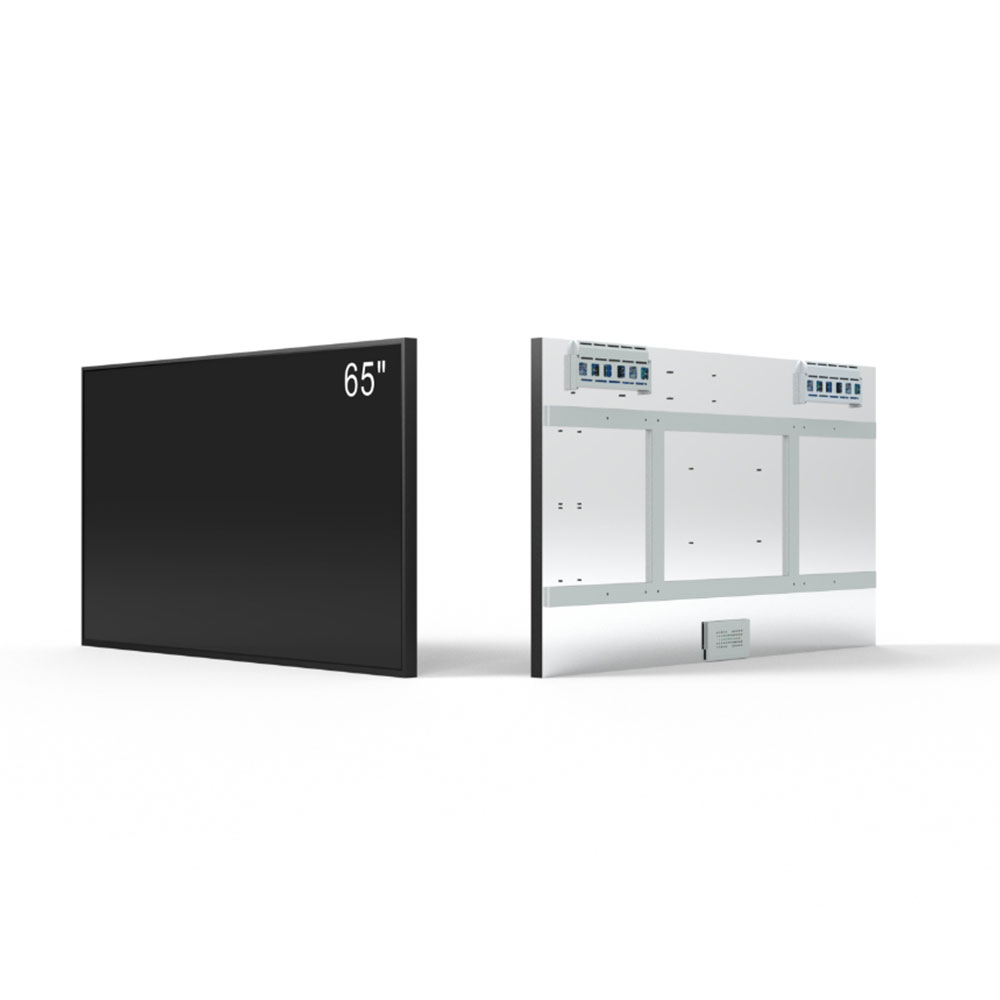
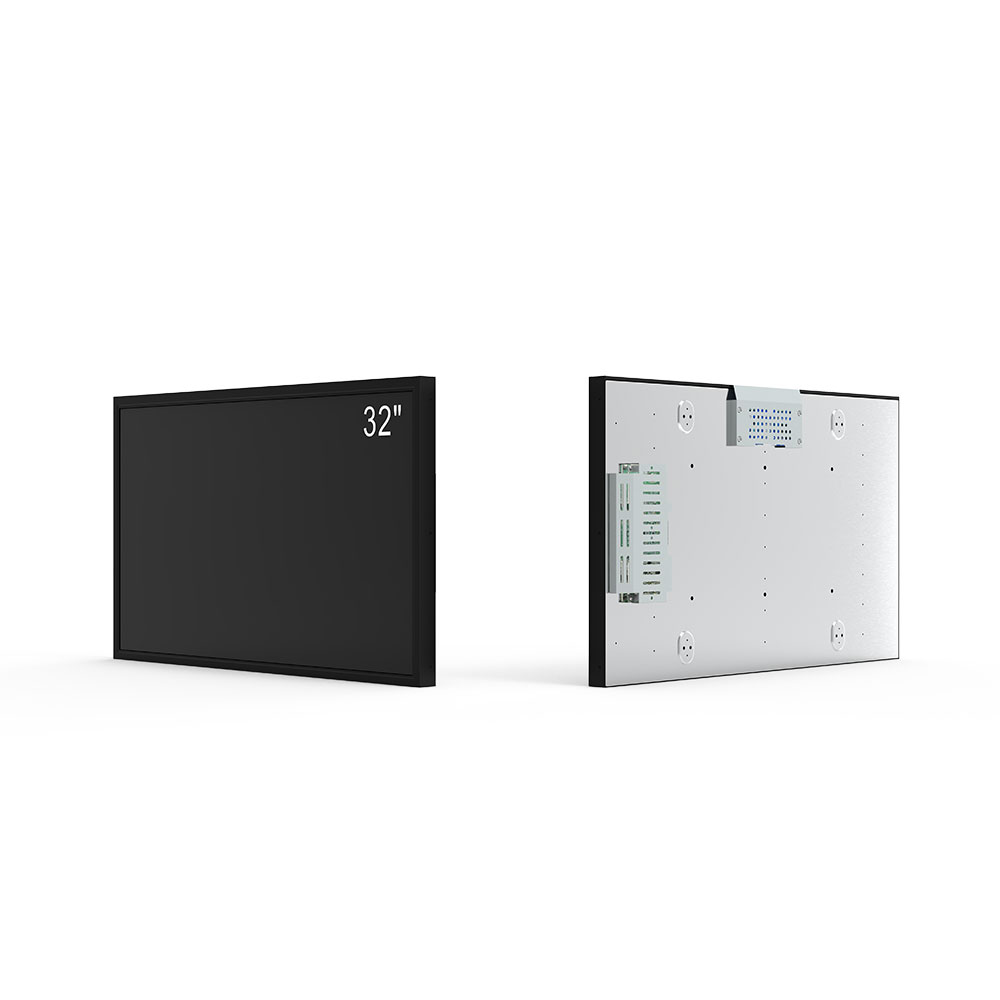
Professional-grade applications demand higher resolution and larger formats. 32-inch and 43-inch panels are common in digital signage, retail kiosks, and control rooms. In enterprise settings, 46-inch, 49-inch, and 55-inch LCDs serve as wall-mounted solutions for dashboards, command centers, and interactive presentations. For immersive experiences in public spaces or high-end home theaters, 65-inch and 75-inch models provide cinematic viewing at a distance. Even larger displays—such as 86-inch and 98-inch—are deployed in commercial environments like conference halls, showrooms, and data visualization hubs. At the extreme end, 110-inch LCD panels represent cutting-edge solutions for large-scale installations, often seen in stadiums, museums, and corporate lobbies.
These displays leverage advanced backlighting technologies (like LED and mini-LED), wide color gamuts (supporting 99% sRGB), and adaptive refresh rates to deliver sharp visuals, consistent brightness, and minimal glare. According to the International Data Corporation (IDC) 2024 report, the global LCD panel market is projected to grow at a CAGR of 6.2% through 2028, driven by demand from IoT devices, smart homes, and AI-enabled monitoring systems.
Choosing the right display size depends on intended use: small screens for portability, mid-range for productivity, and large formats for impact. Regardless of size, all 16:9 LCD panels must comply with standards such as IEC 60068 (environmental testing) and EN 55032 (electromagnetic compatibility), ensuring reliability and safety in diverse operating conditions.