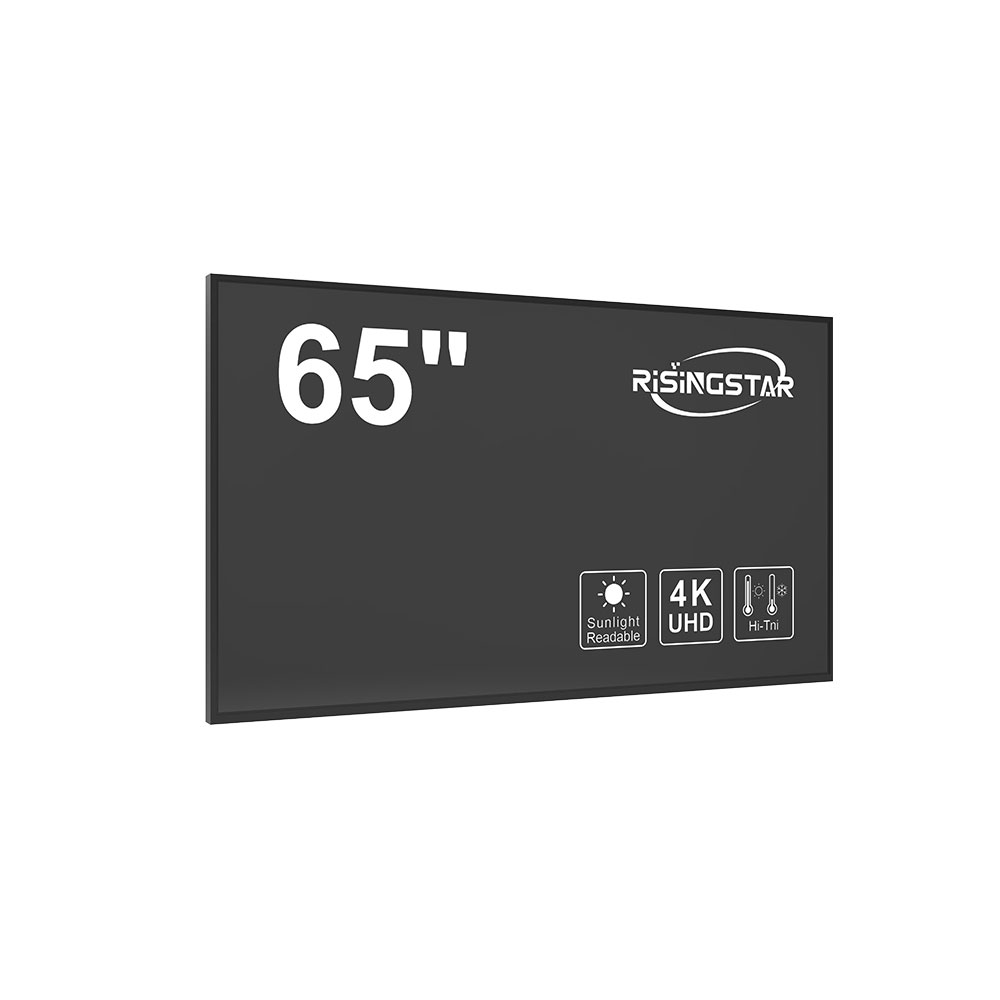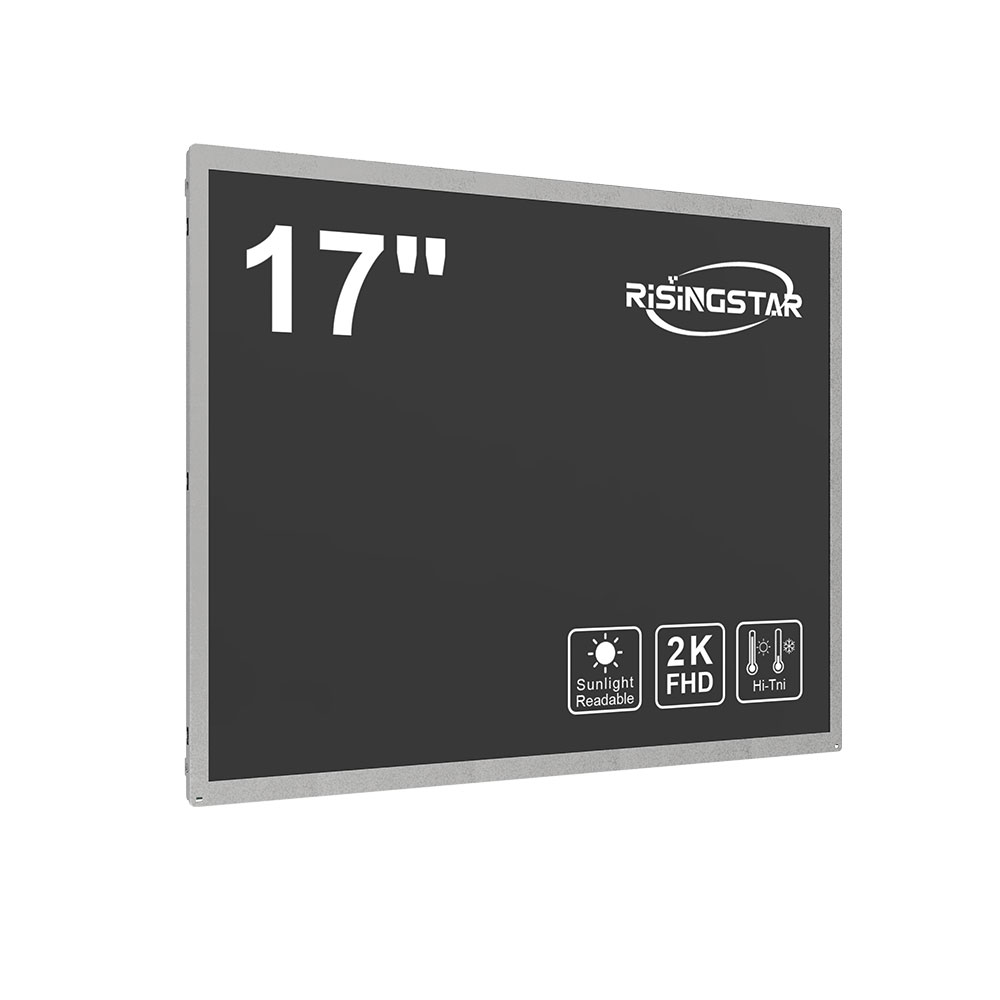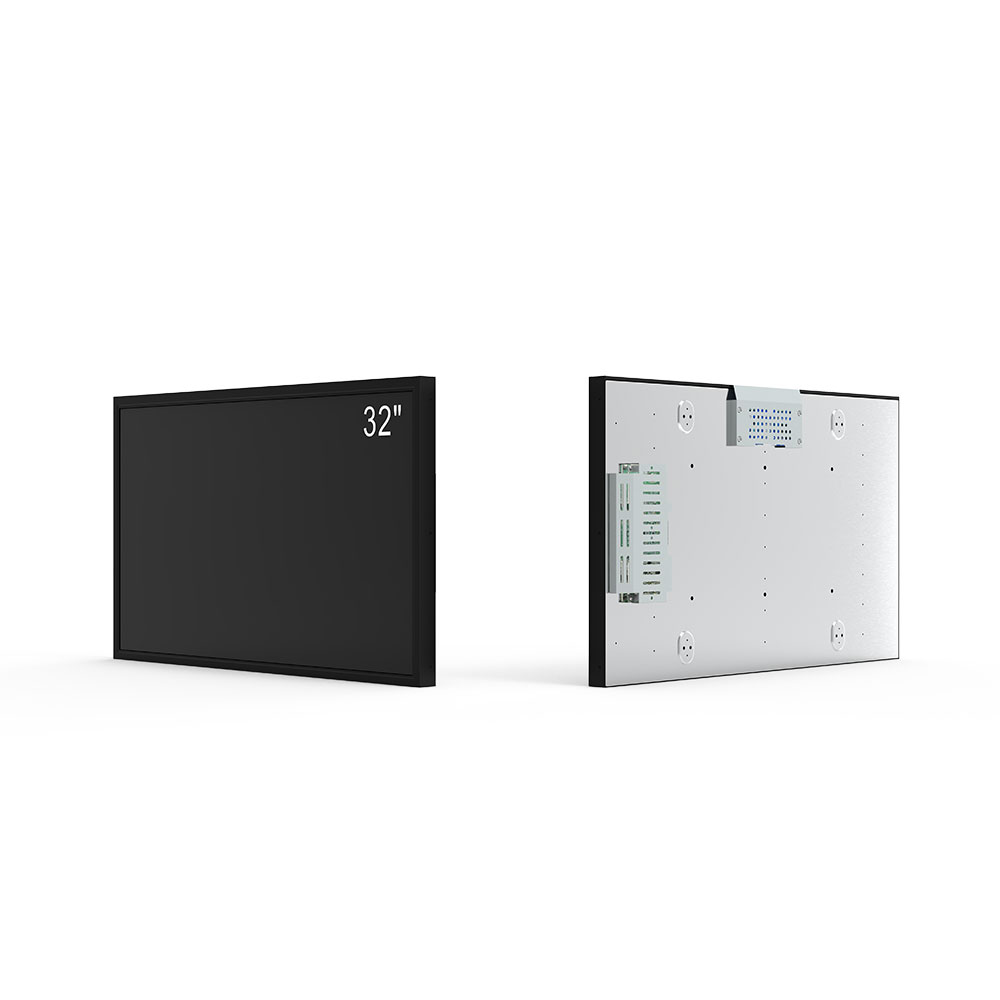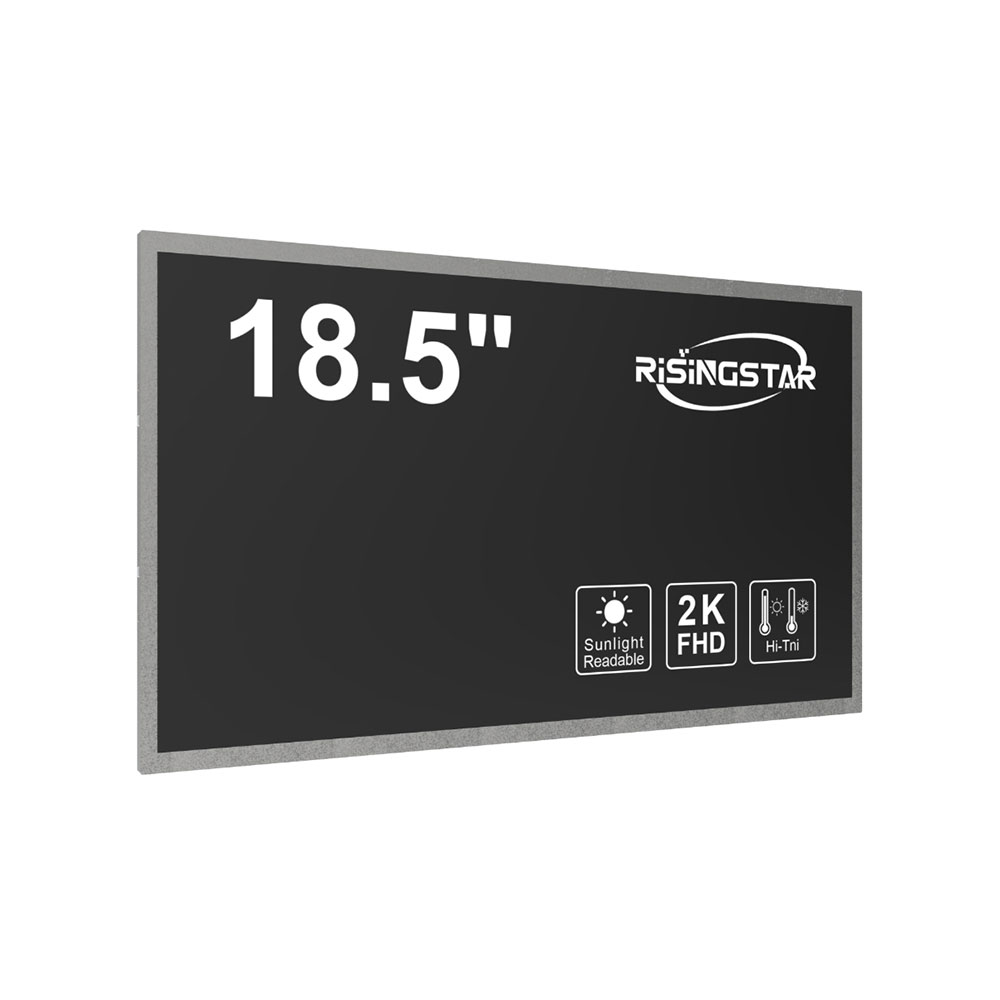
In industrial, outdoor, and marine applications, the durability of electronic components—especially LCD displays—is critical to operational reliability. One of the most important specifications for ensuring longevity in challenging environments is the Ingress Protection (IP) rating. Among these, IP66 stands out as a benchmark for protection against both dust and water ingress, making it an essential consideration for engineers, designers, and procurement teams selecting displays for ruggedized systems.
An IP66 rating means the device is completely protected from dust (the first digit “6”) and can withstand powerful water jets from any direction (the second digit “6”). This level of protection is achieved through robust sealing techniques such as gaskets, sealed enclosures, and conformal coatings applied during manufacturing. For LCDs used in factory automation, construction equipment, or transportation systems exposed to rain, high humidity, or even cleaning with pressurized water, IP66-rated displays are not just beneficial—they are mandatory.
Manufacturers like LG Display, BOE, and Sharp have integrated IP66 protection into their industrial-grade LCD panels by using advanced laminated glass, epoxy-filled seams, and anti-condensation designs. These solutions prevent moisture from penetrating internal circuits while maintaining optical clarity—a key challenge in humid or rapidly changing climates. Real-world case studies from mining operations in Australia and offshore drilling platforms in the North Sea show that IP66 displays reduce unplanned downtime by up to 40% compared to non-protected alternatives.
Additionally, environmental testing standards such as IEC 60529 confirm compliance with IP66 requirements through rigorous simulation of dust exposure (using fine talcum powder) and water jet tests at 100 liters per minute for three minutes at a distance of 3 meters. These tests ensure that the display remains functional under extreme conditions. Users in agriculture, food processing, and military sectors often cite IP66 as a non-negotiable feature when specifying control interfaces or monitoring systems.
It’s worth noting that achieving IP66 does not compromise performance. Modern IP66-rated LCDs maintain high brightness (up to 5000 nits), wide viewing angles (178°), and touch responsiveness—even in direct sunlight. With increasing demand for smart infrastructure and IoT-enabled devices in harsh settings, IP66 waterproofing has become a foundational requirement for reliable human-machine interfaces.