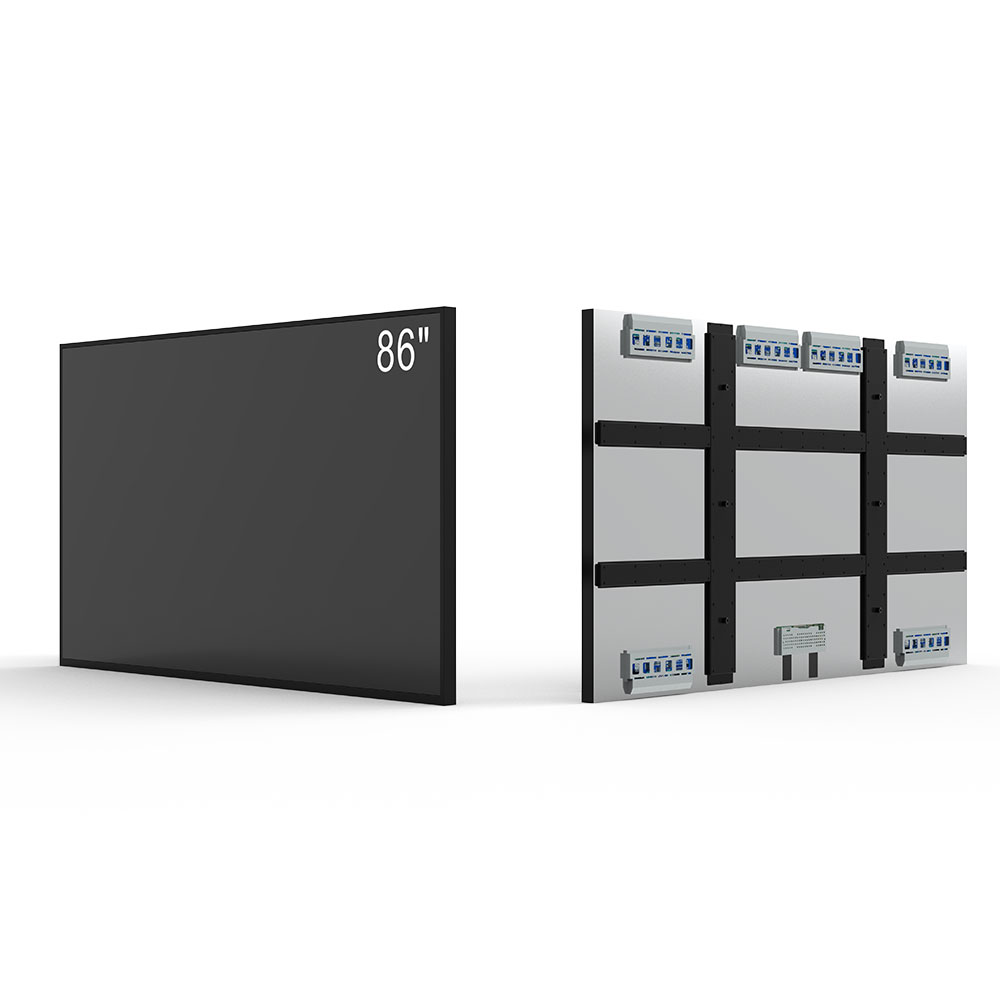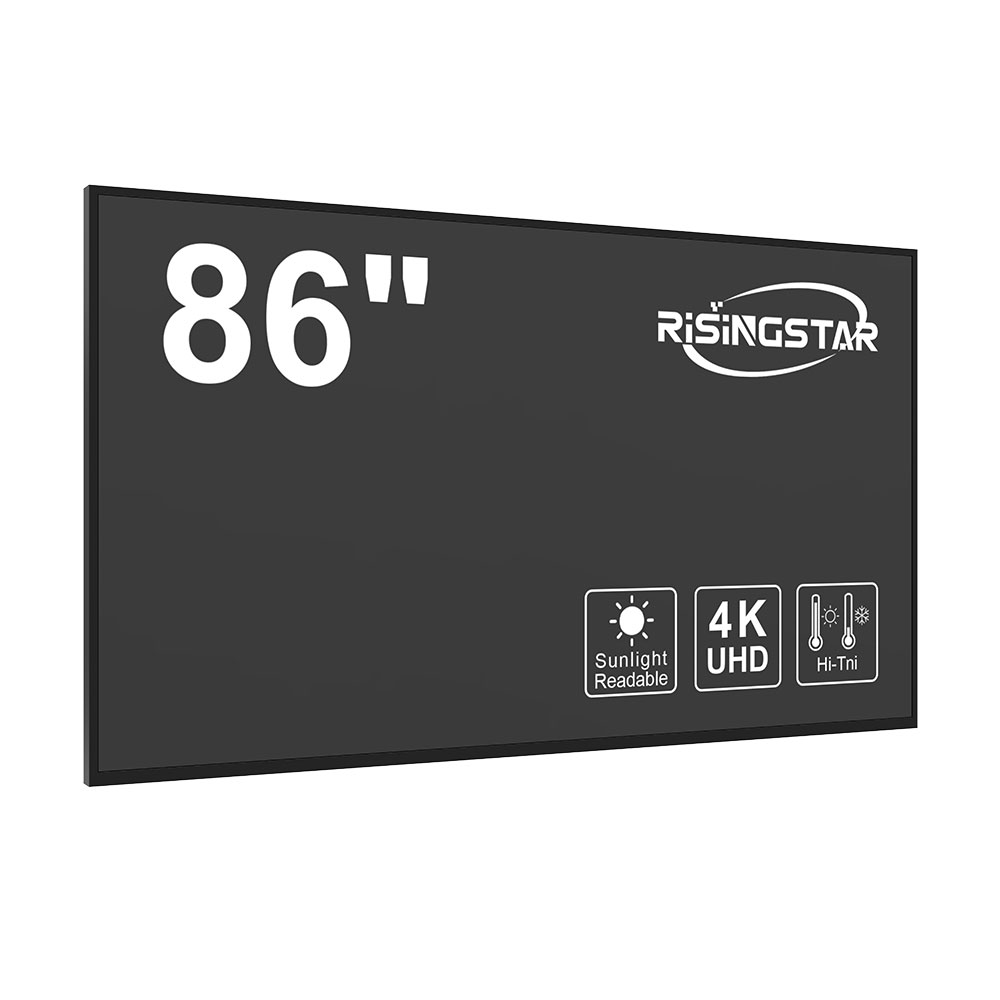







Selecting the appropriate LCD panel for industrial applications requires a thorough understanding of environmental conditions, operational demands, and long-term reliability. Unlike consumer-grade displays, industrial LCDs must function reliably in extreme temperatures, high humidity, electromagnetic interference (EMI), and continuous-duty environments such as manufacturing plants, medical devices, and transportation systems.
The first step is determining the operating temperature range. Industrial panels typically support -30°C to +70°C, compared to consumer panels that often only handle 0°C to 50°C. For example, Sharp’s LQ104V1LW12 and LG Display’s LP104WH2-TLC are widely used in industrial automation due to their extended thermal tolerance. These models undergo rigorous thermal cycling tests per IEC 60068 standards, ensuring consistent performance under stress.
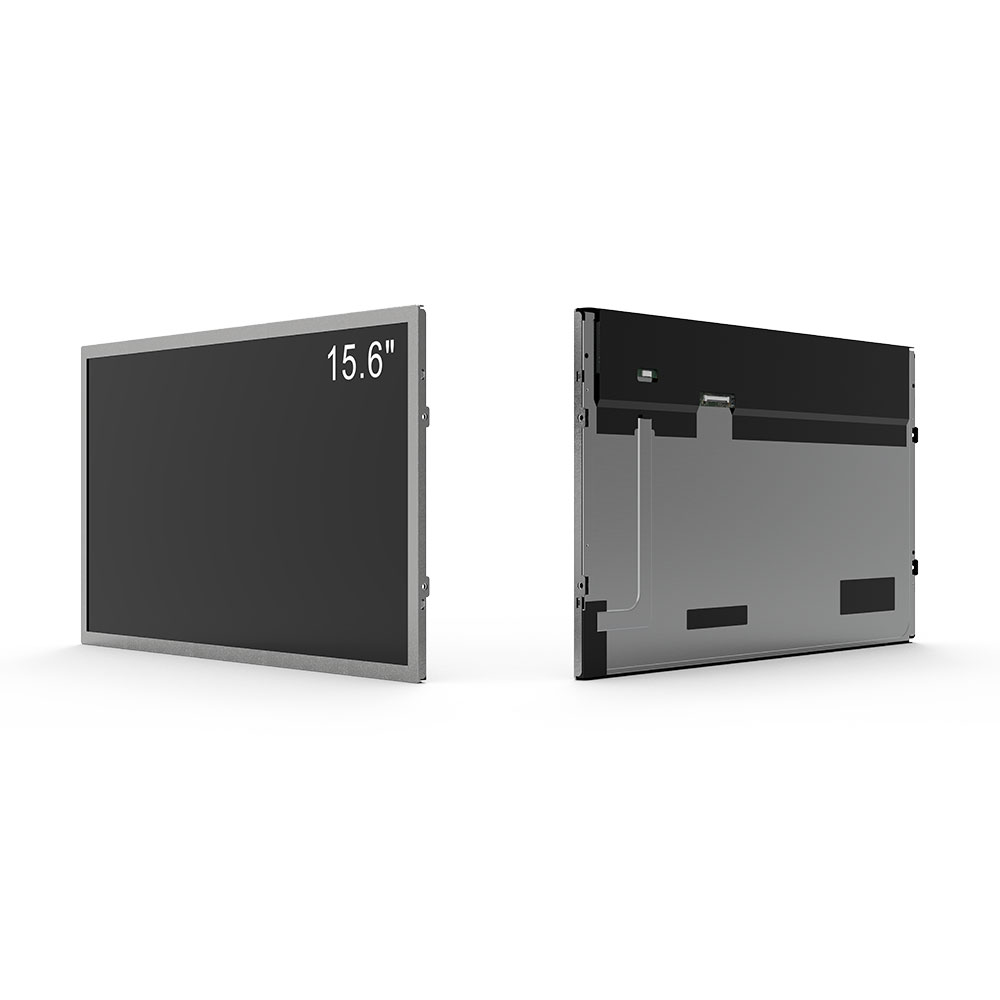
Brightness and contrast ratio are critical in environments with variable lighting. Panels like AU Optronics’ B101XAN01.0 offer 1500 cd/m² brightness—ideal for outdoor or brightly lit indoor settings—and feature wide viewing angles (up to 178°) to maintain visibility from multiple positions. High contrast ratios (e.g., 1000:1 or higher) ensure clear image reproduction even in challenging lighting.
Durability matters just as much as display quality. Look for panels with reinforced glass (e.g., Gorilla Glass or similar), anti-reflective coatings, and MIL-STD-810G certification for shock and vibration resistance. These features prevent damage from mechanical stress in mobile or ruggedized equipment.
Connectivity and interface options also influence selection. LVDS, eDP, and MIPI interfaces are common in industrial designs. For example, Renesas and TI provide reference designs that simplify integration with these interfaces, reducing development time.
Finally, consider longevity and support. Industrial panels should have a minimum 5-year production lifecycle, as confirmed by manufacturers like Samsung Display and Innolux. This ensures component availability for product maintenance and upgrades over time.
By prioritizing environmental resilience, visual clarity, mechanical durability, and interface compatibility, engineers can select an LCD panel that delivers both performance and value in demanding industrial environments.