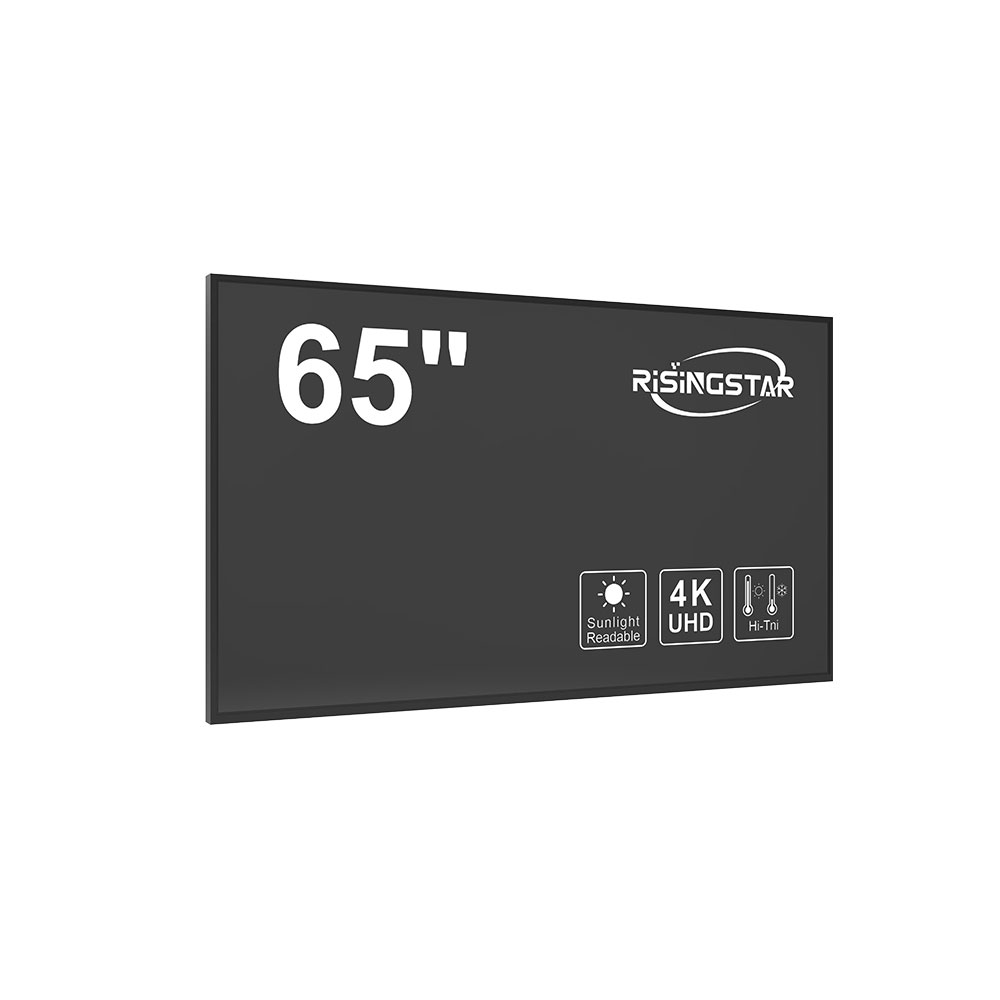
Industrial-grade LCD displays are essential components in modern public infrastructure, offering high reliability, brightness, and durability for demanding environments. These displays are specifically engineered to operate continuously under harsh conditions such as extreme temperatures, humidity, and vibration—common in transportation hubs like railways, buses, subways, and intercity rail systems. For example, LCDs used in passenger information systems (PIS) on trains must maintain clear visibility in both daylight and low-light conditions while withstanding frequent power cycles and mechanical stress from movement.
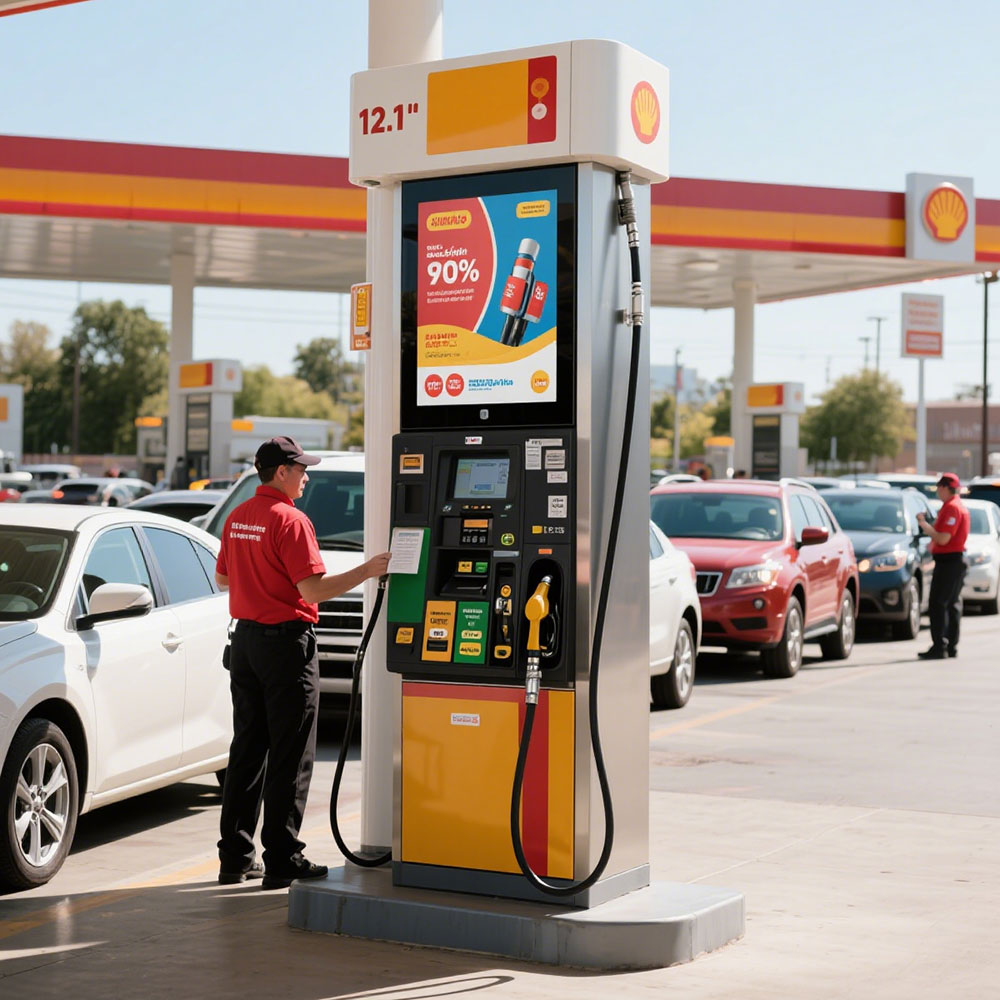
In addition to transit applications, industrial LCDs power EV charging kiosks and gas pumps, where ruggedized screens ensure uninterrupted operation in outdoor settings. These units often include features like sunlight-readable panels (up to 5000 nits brightness), IP65 or higher dust/water resistance, and wide operating temperature ranges (-30°C to +70°C). In retail and real estate digital signage, these displays provide dynamic content delivery—from product promotions to property listings—with minimal maintenance due to their long MTBF (mean time between failures).
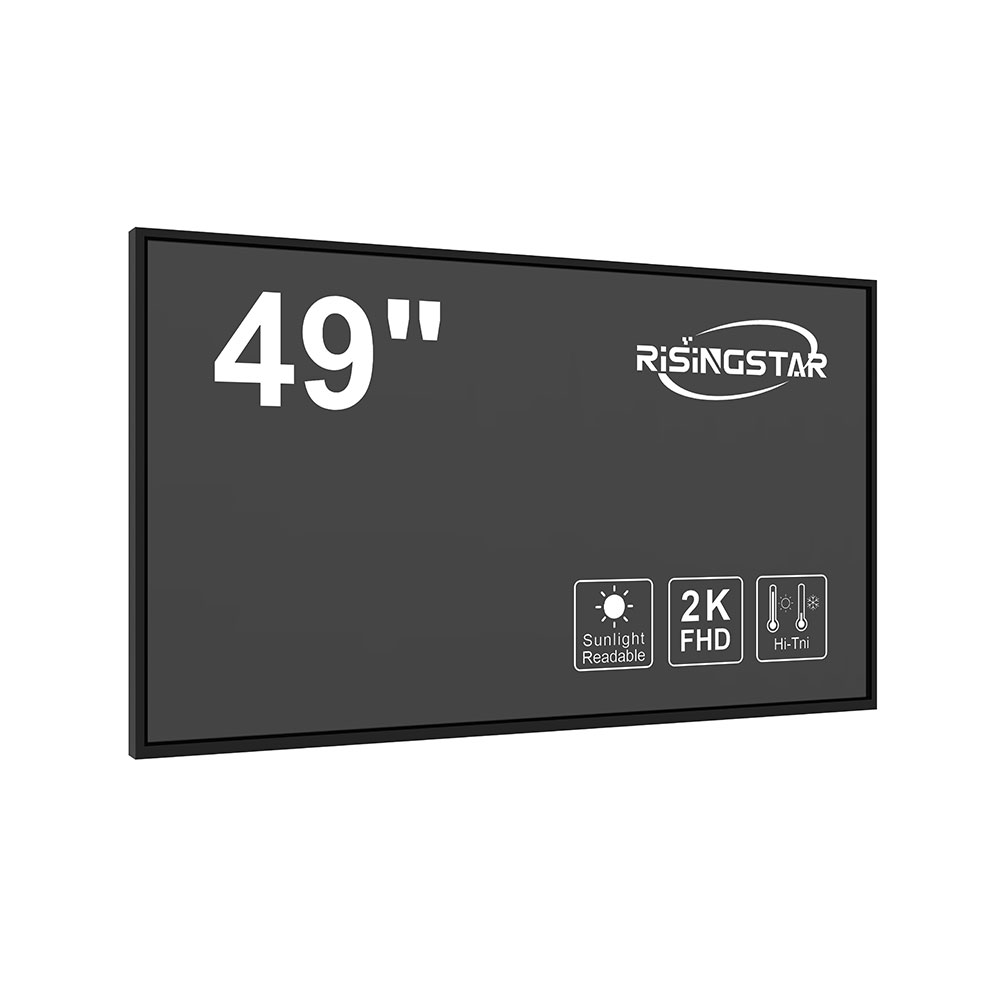
Outdoor digital signage and outdoor TVs benefit from built-in anti-glare coatings, corrosion-resistant enclosures, and LED backlighting for energy efficiency and extended lifespan. Leading manufacturers such as LG, Sharp, and AU Optronics design these panels using advanced technologies like IPS (In-Plane Switching) for consistent color accuracy and wide viewing angles, critical for audience engagement across multiple positions.
According to a 2023 report by MarketsandMarkets, the global industrial LCD market is projected to reach $18.7 billion by 2028, driven by smart city initiatives and the need for resilient display solutions in public infrastructure. Customers in Europe, North America, and Asia-Pacific increasingly demand certified products compliant with EN 55032 (EMC), IEC 60950-1 (safety), and MIL-STD-810G (military-grade durability). Real-world case studies from Tokyo Metro and London Underground confirm that industrial-grade LCDs reduce downtime by up to 60% compared to consumer-grade alternatives, making them indispensable for mission-critical installations.
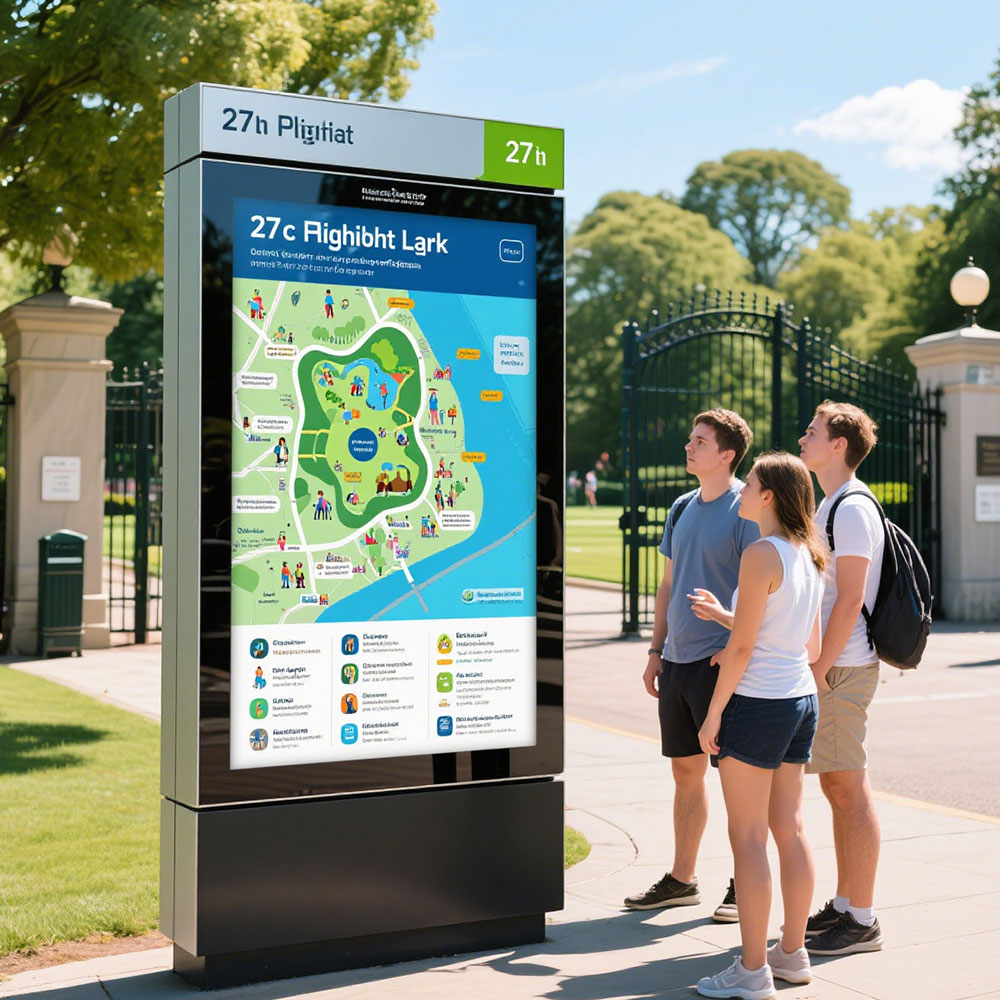
These displays not only enhance user experience but also improve operational efficiency through integrated APIs, remote diagnostics, and support for content management systems like Xibo or Screenly. Whether deployed in a busy subway station or a rural gas station, industrial LCDs offer unmatched performance, longevity, and adaptability across diverse industries.