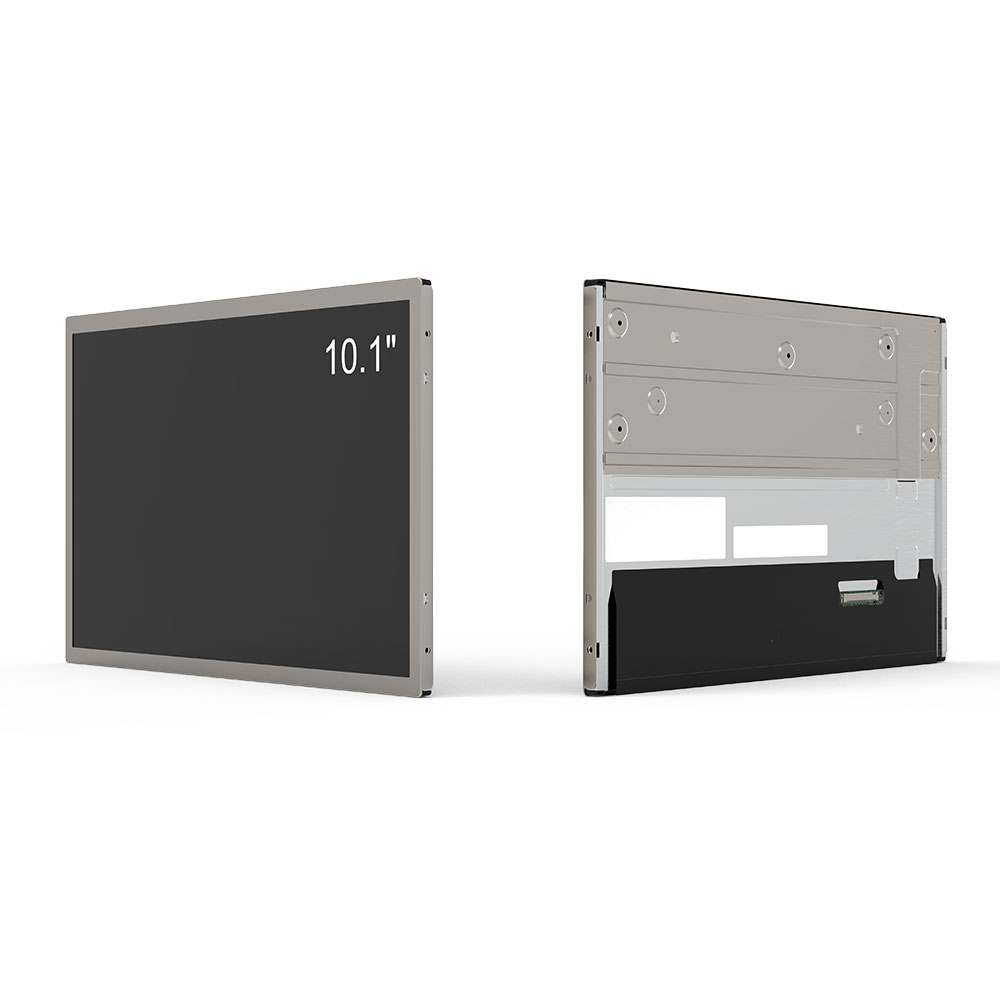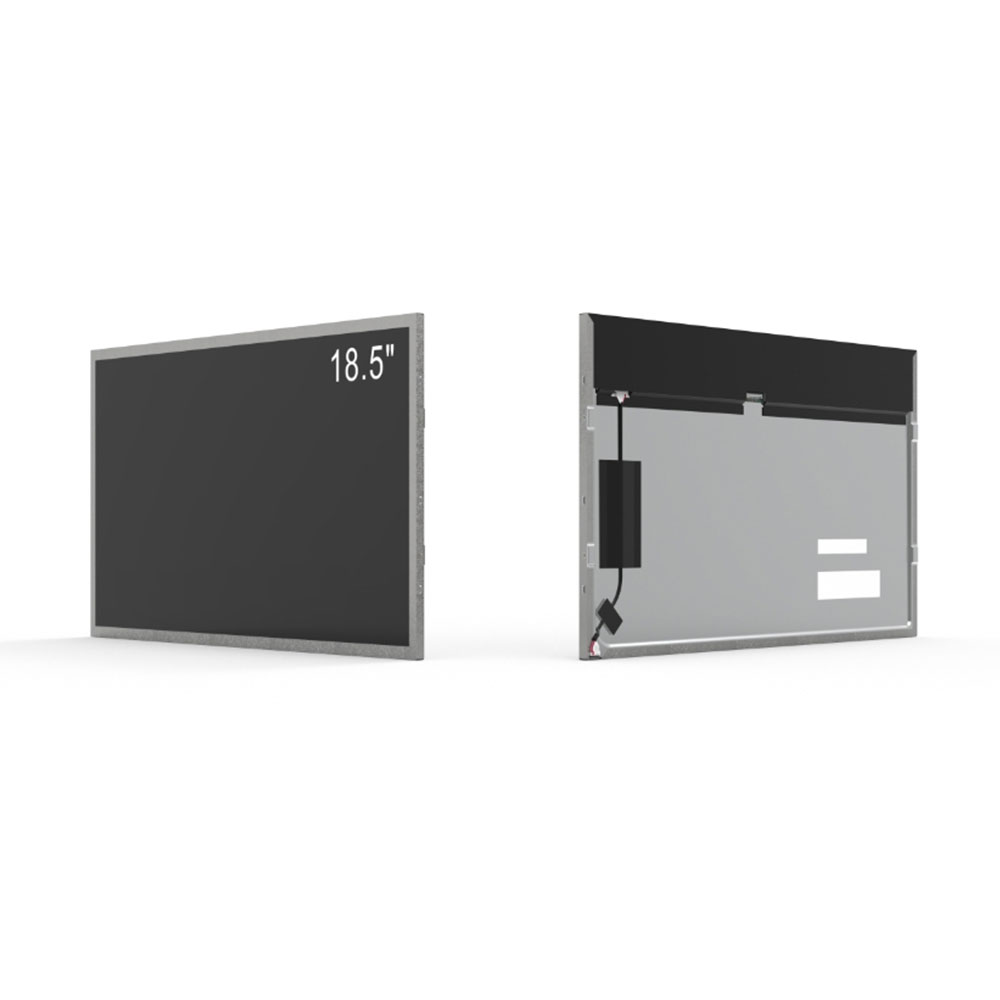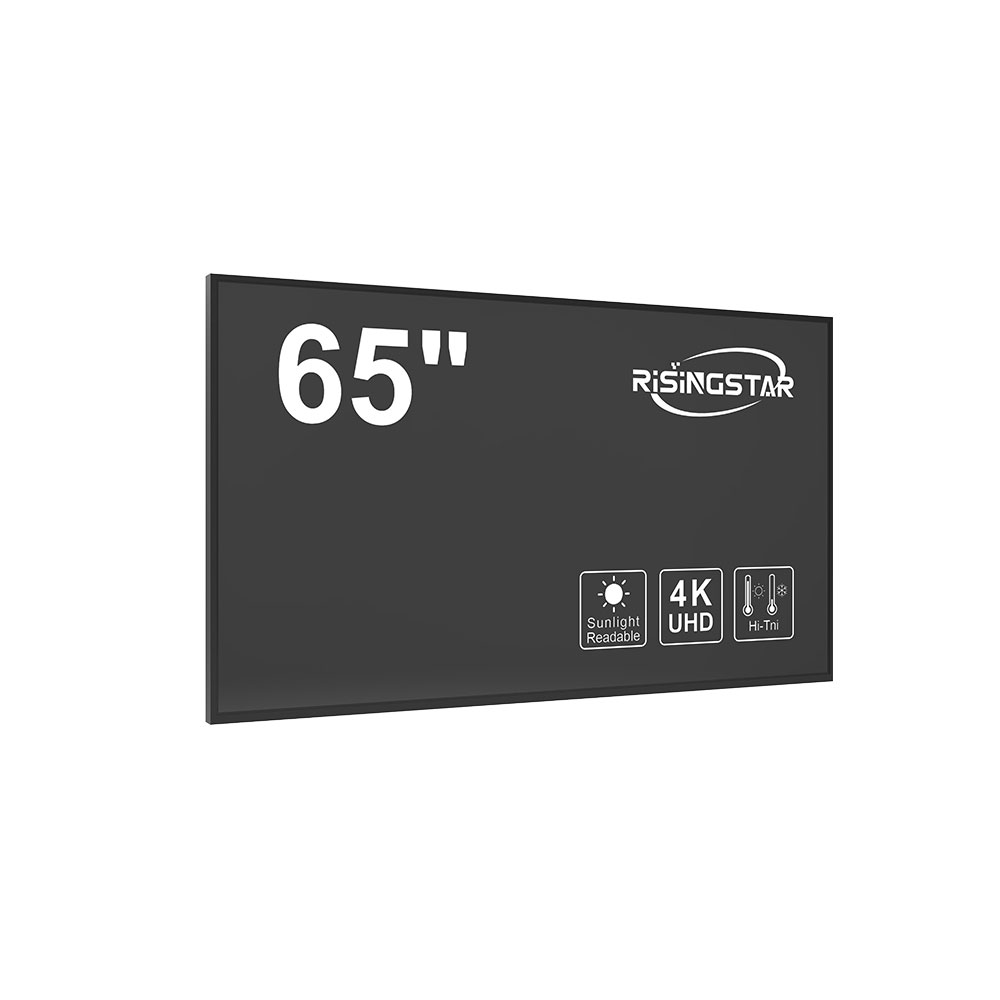
In today’s digital landscape, LCD screens dominate everything from consumer electronics to industrial displays, with the 16:9 aspect ratio becoming the industry standard for most applications. This widescreen format offers an optimal balance between productivity, media consumption, and space efficiency—making it ideal for laptops, monitors, televisions, and even industrial control panels. Common screen sizes in this ratio include 10.1", 13.3", 15.6", 18.5", 21.5", 23.8", 27", 32", 43", 46", 49", 55", 65", 75", 86", 98", and 110". Each size serves a distinct use case. For example, 10.1" and 13.3" displays are prevalent in tablets and portable devices where mobility is key. Meanwhile, 21.5" to 27" LCDs dominate the desktop monitor market, offering high-resolution clarity (often Full HD or 4K) for office work, graphic design, and gaming. Larger sizes like 43" to 65" are common in home entertainment systems, while ultra-large formats such as 75" and above cater to commercial installations, including retail kiosks, command centers, and digital signage. The 16:9 format ensures compatibility with modern content standards—streaming services, movies, and video conferencing platforms all default to this ratio. Manufacturers like LG, Samsung, and AU Optronics produce panels across these sizes using advanced technologies such as IPS, VA, and LED-backlit LCDs, which enhance color accuracy, viewing angles, and energy efficiency. When selecting a display, consider not only the size but also resolution, refresh rate, and brightness—especially for environments with high ambient light or demanding professional tasks. With ongoing innovations in mini-LED and micro-LED backlighting, future LCDs will offer even better contrast ratios and power efficiency. Whether you're outfitting a home office, setting up a classroom, or deploying a public display system, understanding the relationship between screen size and 16:9 aspect ratio is essential for maximizing usability, visual comfort, and long-term value.
News
LCD Screen Sizes and Aspect Ratios Explained for Modern Displays
March 28, 2026
LCD screen sizes
16:9 display ratio
LCD monitor dimensions
display technology
screen resolution