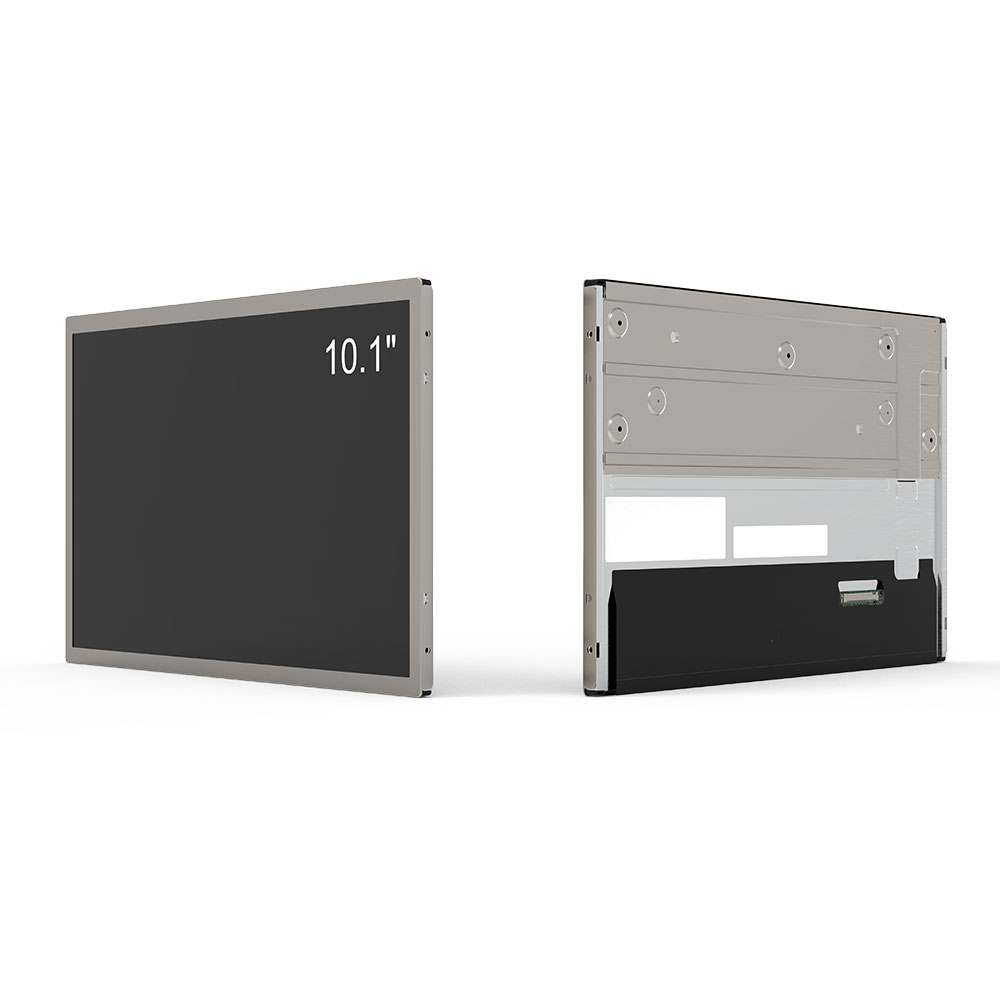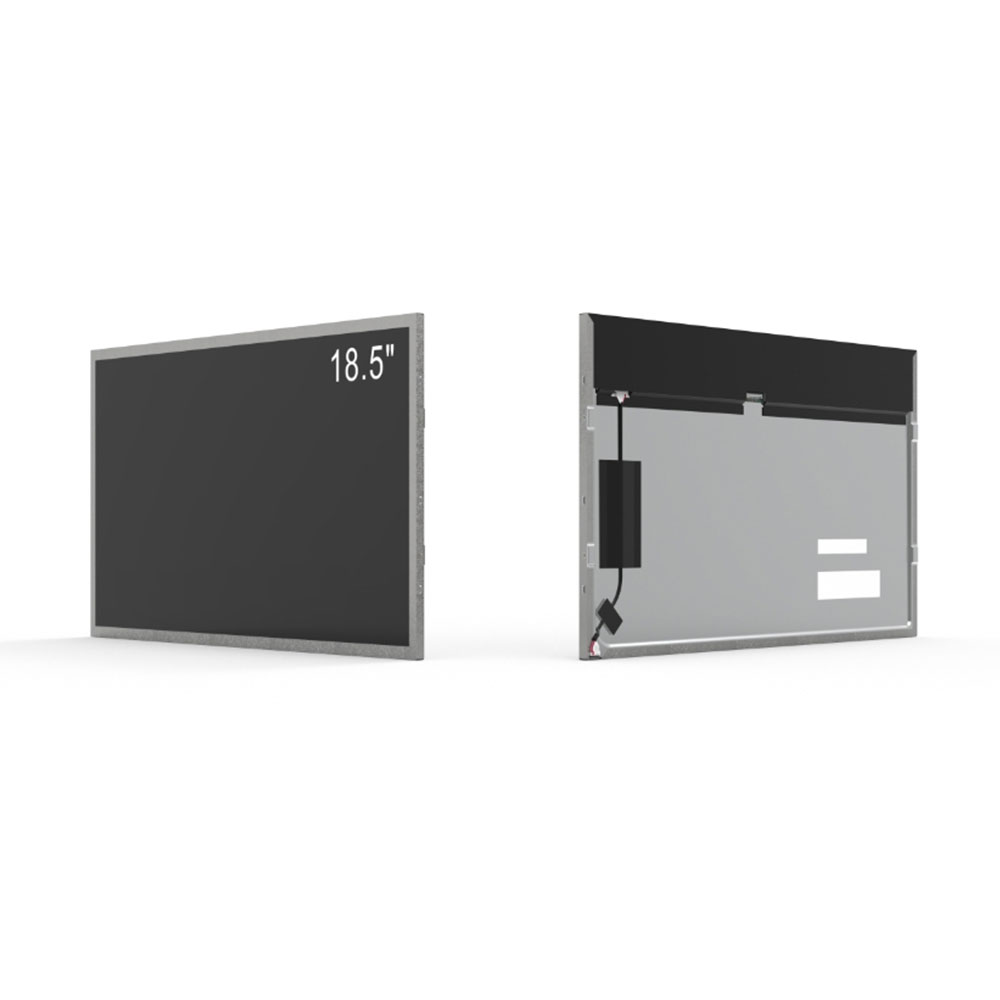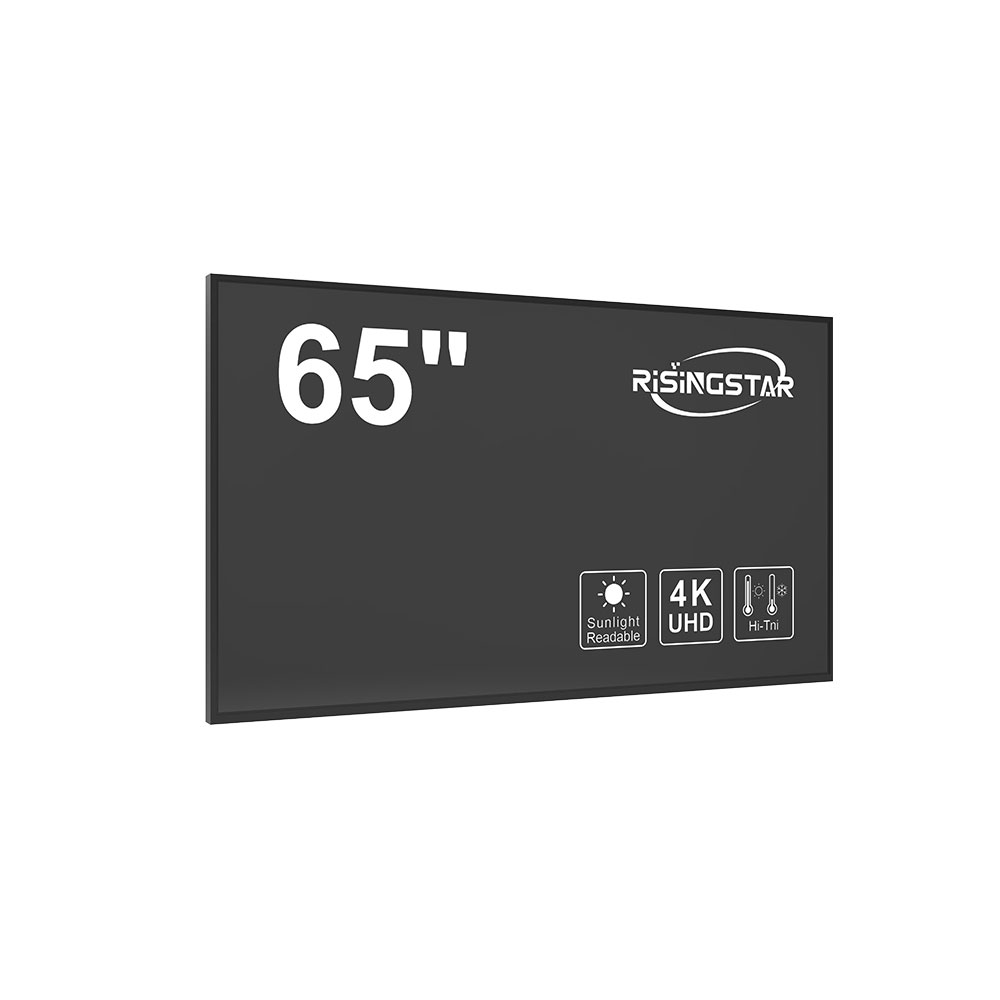

In the modern era of digital devices, display technology plays a crucial role in user experience—especially in smartphones, laptops, tablets, and monitors. One of the most widely recognized advancements in this field is IPS LCD, which stands for In-Plane Switching Liquid Crystal Display. This technology has transformed how images are viewed on screens by offering superior color accuracy, wider viewing angles, and improved response times compared to older TN (Twisted Nematic) panels.
IPS LCDs work by aligning liquid crystal molecules parallel to the glass substrate rather than perpendicular, allowing light to pass through more uniformly. This results in consistent brightness and color reproduction even when viewed from extreme angles—a key feature for collaborative workspaces or entertainment setups where multiple users may be watching from different positions.
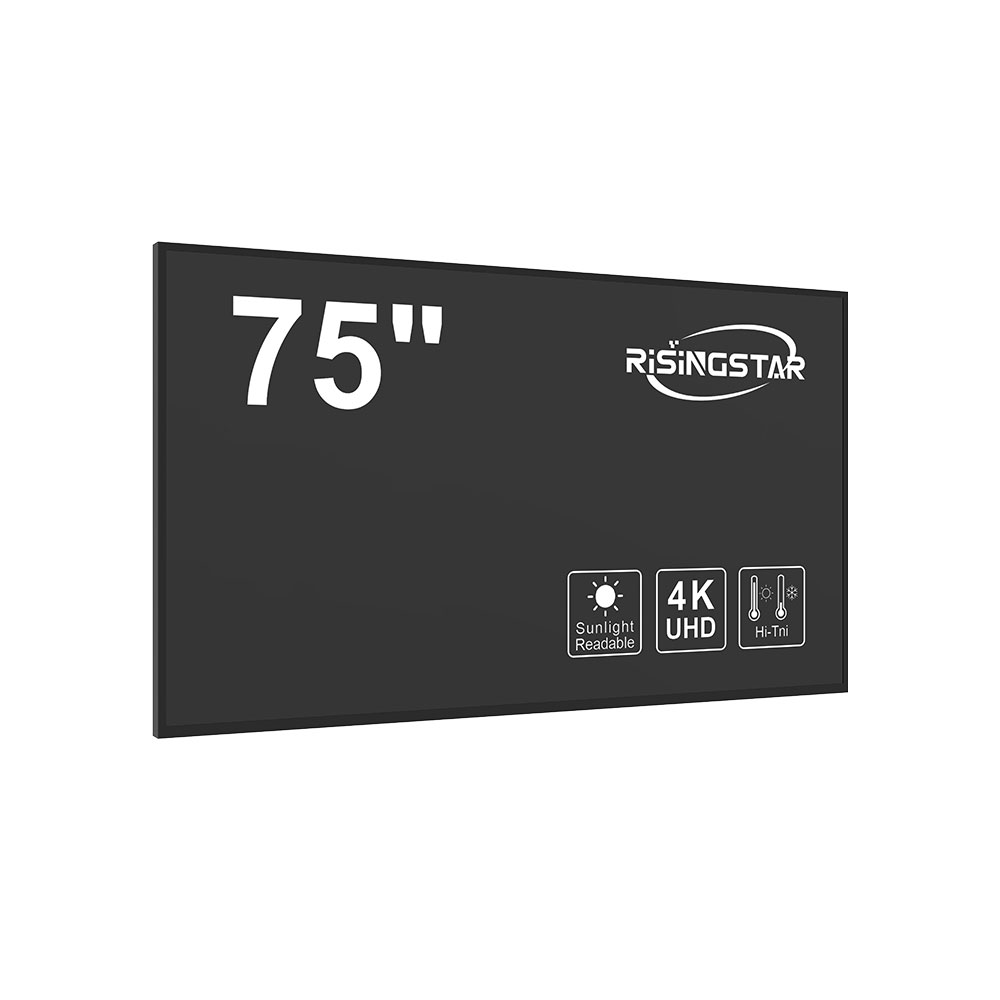
Manufacturers like LG Display, AU Optronics, and Samsung have refined IPS LCD production techniques over the past two decades, leading to energy-efficient variants such as Low Power IPS (LPIPS) and Full HD+ resolution support in consumer electronics. For instance, many mid-range smartphones now use IPS LCD screens because they offer excellent value for money while maintaining strong visual performance.
Beyond consumer electronics, IPS LCD panels are also critical in professional environments such as medical imaging, automotive dashboards, and industrial control systems due to their reliability and precise color representation. Industry standards like ISO 13406-2 ensure that IPS displays meet stringent requirements for brightness uniformity and contrast ratios in regulated sectors.
Moreover, long-tail keywords like "what does IPS mean in LCD monitors," "IPS vs TN panel comparison for gaming," and "best IPS LCD screen for graphic design" reflect growing public interest in understanding how these technologies affect real-world usage. Users increasingly seek clarity on whether an IPS screen offers better performance for video editing, photography, or everyday browsing. The answer lies in its ability to reproduce true-to-life colors and reduce eye strain during prolonged use—factors supported by independent tests from organizations like DisplayMate and TechRadar.

As environmental concerns rise, manufacturers are also integrating eco-friendly materials into IPS LCD manufacturing processes, aligning with global sustainability goals. With ongoing innovations in OLED hybrid displays and mini-LED backlighting, IPS LCD remains a cost-effective, high-quality solution for millions of users worldwide who prioritize clear visuals without compromising budget or power efficiency.