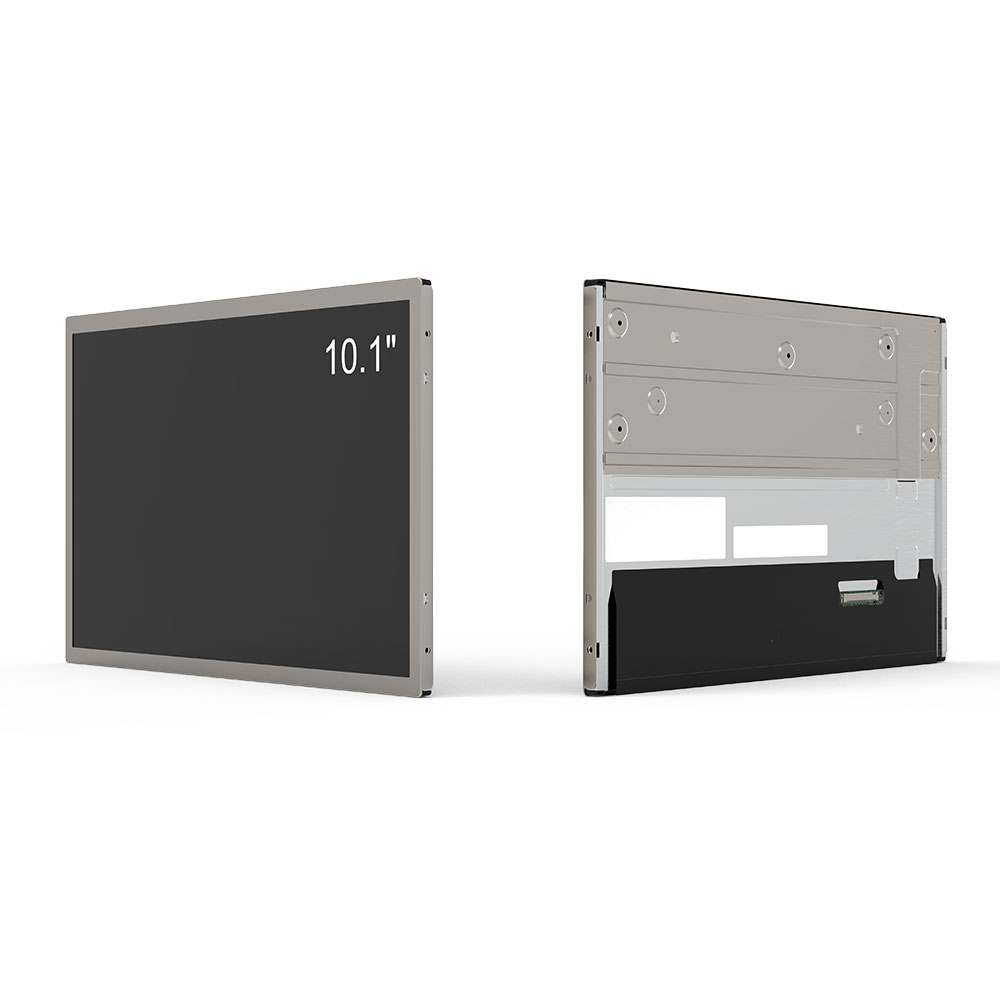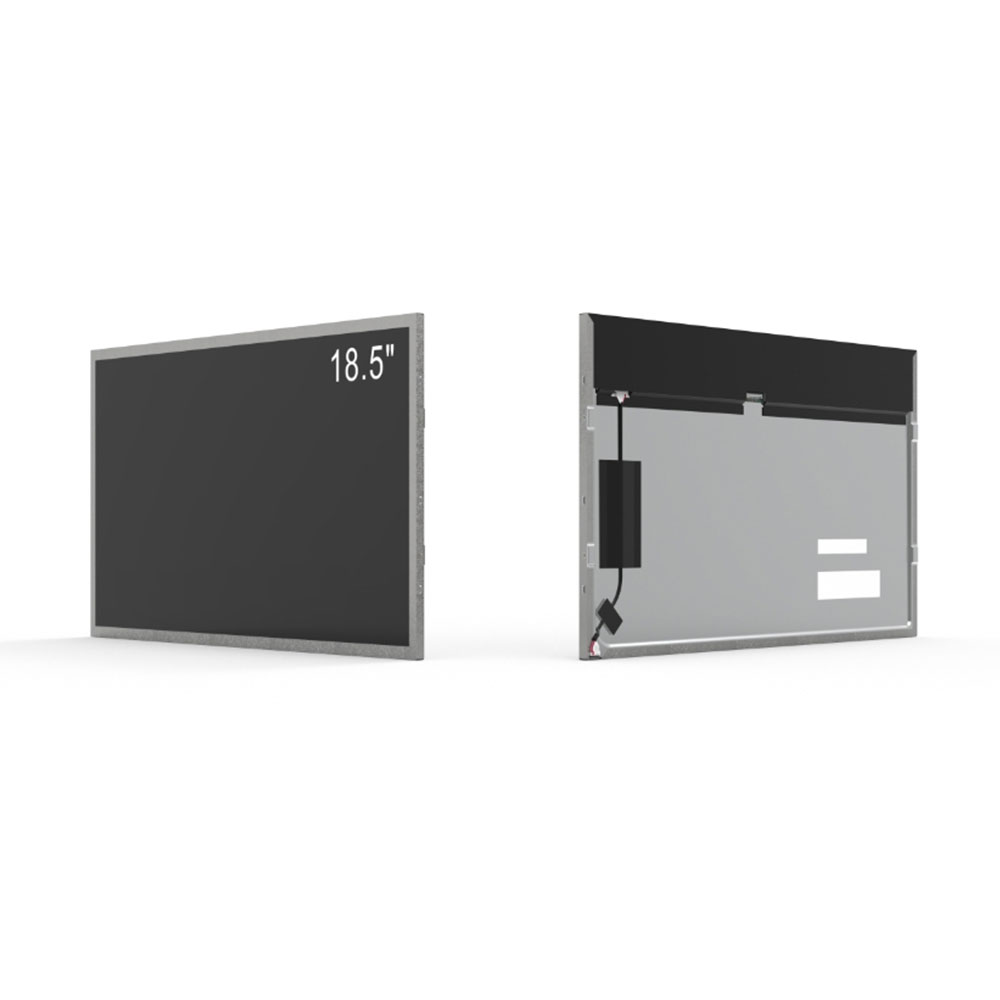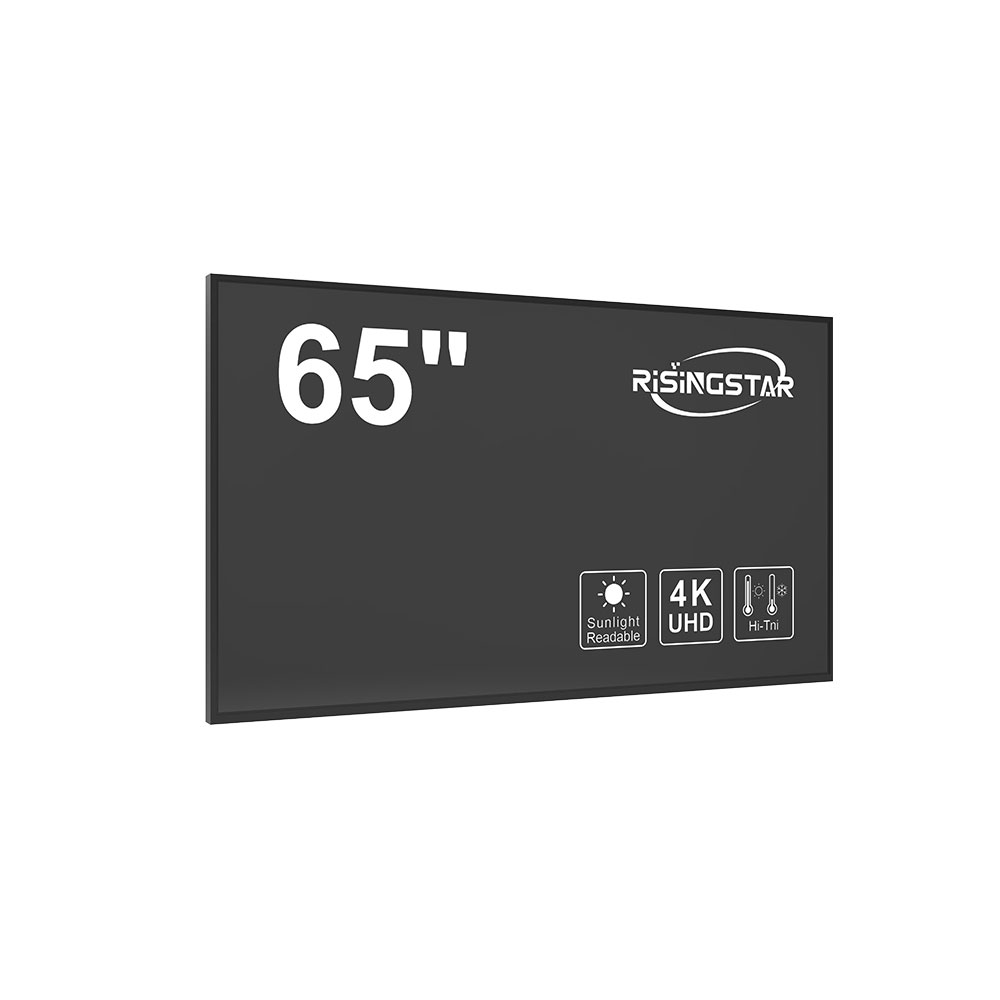
In today’s LCD manufacturing landscape, 2K and 4K resolution options have emerged as foundational choices for balancing performance, cost, and use-case specificity, per DSCC’s 2024 Global LCD Panel Market Report, which notes 2K models hold 28% of mid-range shipments while 4K accounts for 62% of premium segment growth. Defined by pixel dimensions—2560×1440 (2K) and 3840×2160 (4K)—these variants serve distinct verticals, from industrial human-machine interfaces (HMI) to medical imaging and consumer professional displays. For industrial applications, compliance with ISO 9241-307 (human factors for display workstations) and MIL-STD-810G environmental testing is critical. Leading manufacturers like LG Display’s IPS alpha series and Siemens’ SIMATIC HMI line offer both 2K and 4K options: the 2K variant cuts power consumption by 15% vs. same-size 4K models, aligning with energy efficiency targets for factory automation, while the 4K variant delivers 2x higher pixel density (PPI) to enhance precision in tasks like circuit board inspection or assembly line defect detection. A 2023 Siemens HMI Product Performance Report cites that 4K-equipped panels improved defect recognition accuracy by 32% in automotive component manufacturing, compared to 2K counterparts. In medical imaging, resolution standards like ISO 15008 dictate core requirements: diagnostic radiography needs a minimum of 3MP (≈2.8K, near 2K), while high-resolution histopathology uses 8MP (≈4K). Samsung’s clinical displays integrate both options, with their 4K models achieving ΔE< 2 color accuracy (meeting Rec.709 and DCI-P3 standards) for precise visualizing of tissue samples, while 2K models are deployed in outpatient monitoring where cost-effectiveness suffices. Consumer and professional segments also leverage these variants: 2K is widely adopted in mid-tier monitors for graphic design, while 4K dominates high-end content creation displays. Environmental testing data from DisplaySearch’s 2024 LCD Thermal Stability Report shows that both resolution lines maintain consistent pixel response across -20℃ to 60℃, making them suitable for outdoor digital signage (e.g., Samsung’s Smart Signage UD series with IP65-rated 2K/4K options) and harsh industrial settings. Market dynamics indicate sustained demand for both resolutions: DSCC projects 2027 global 4K LCD shipments to reach 220 million units, while 2K will remain a 100+ million unit segment for low-to-mid precision use cases. This dual offering addresses the varied needs of a global audience, from small to medium enterprises seeking cost-efficient 2K solutions to large-scale manufacturers requiring 4K-grade precision.
News
2K vs 4K Resolution Options in LCD Displays: Use Cases, Performance & Market Insights
July 14, 2026
2K LCD resolution
4K LCD display options
industrial LCD resolution