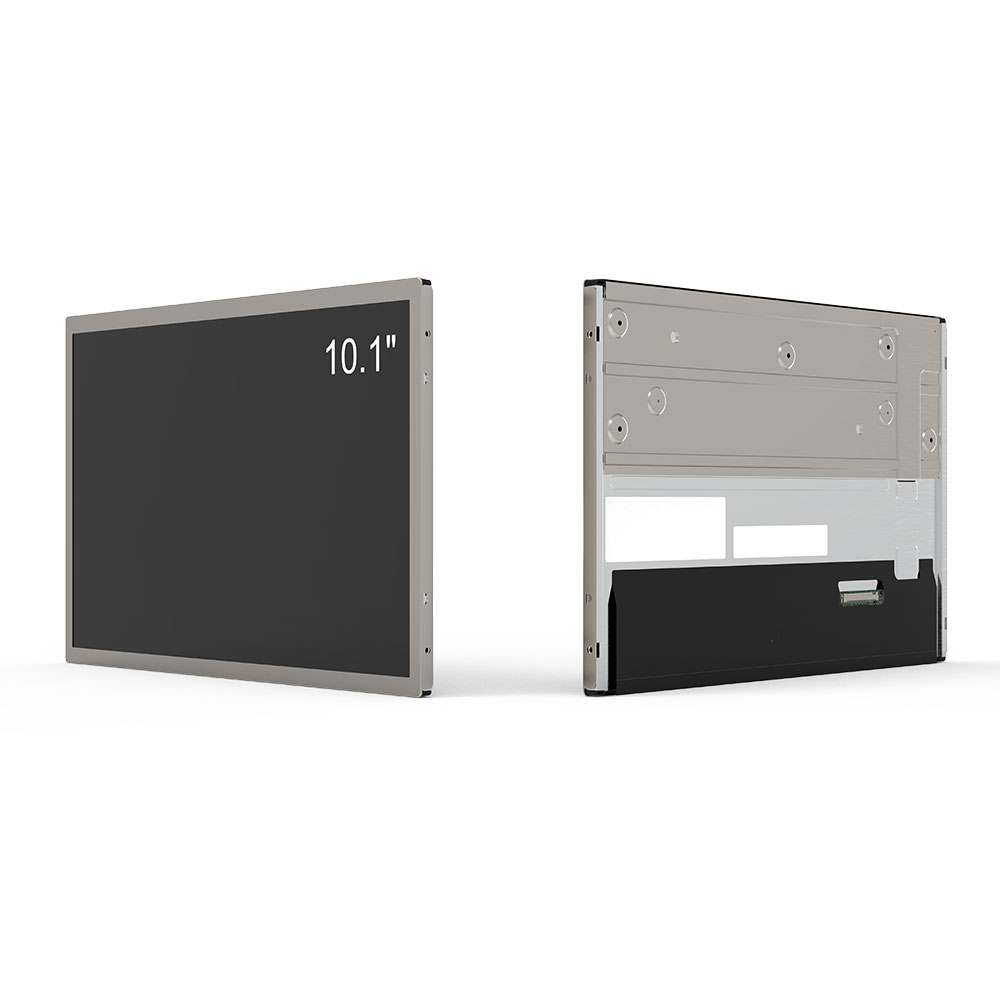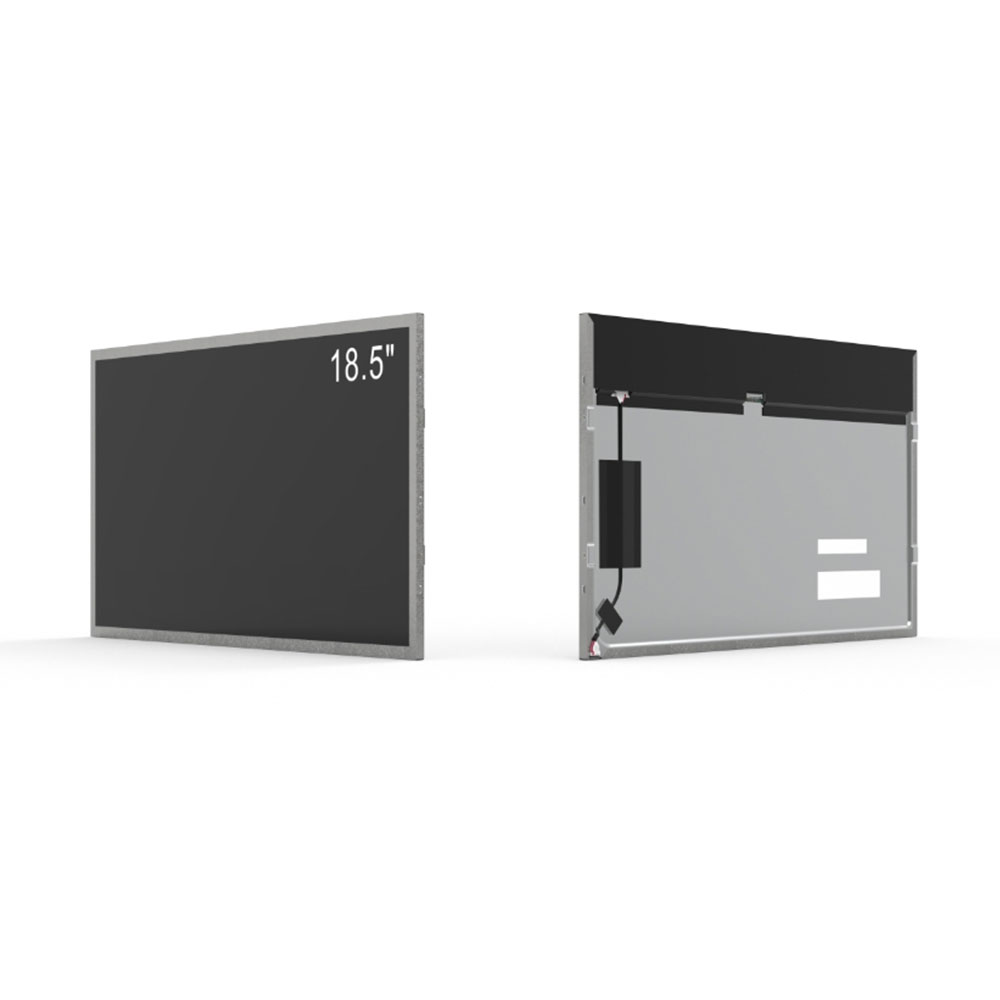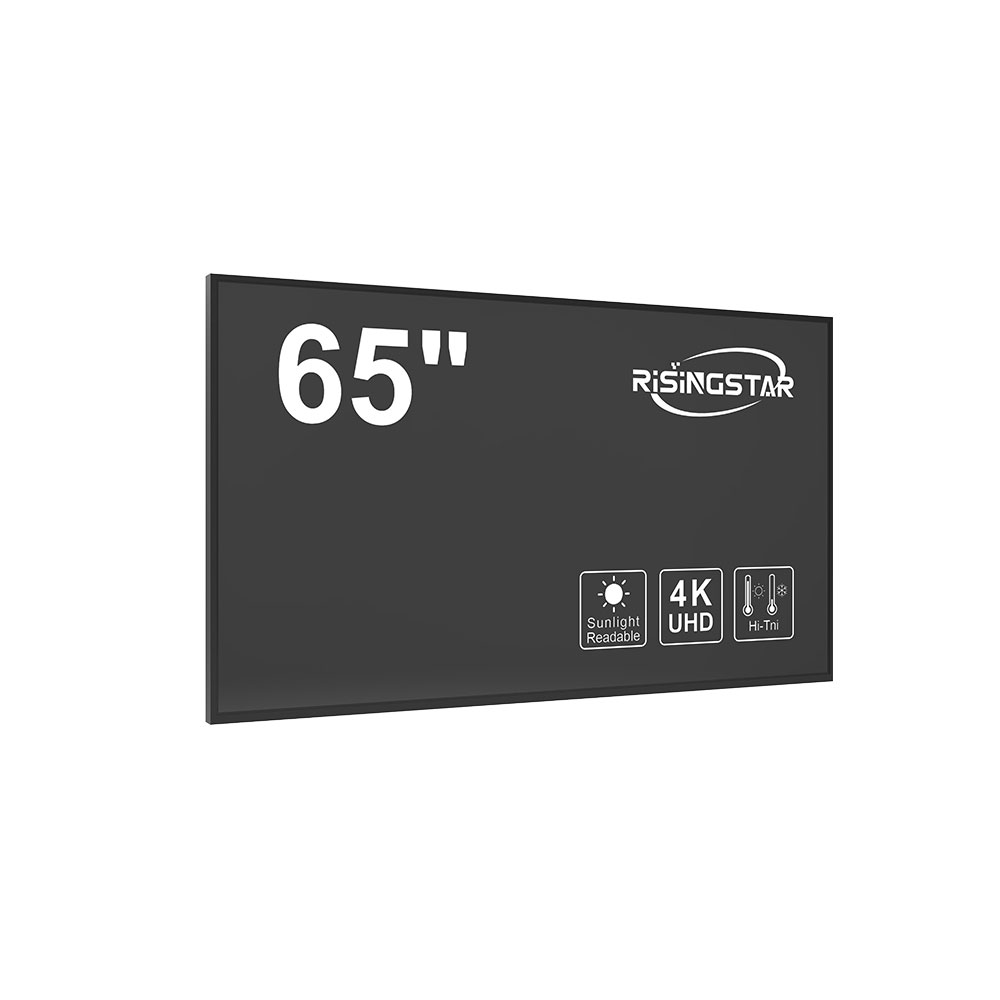

An IPS (In-Plane Switching) panel monitor is a type of liquid crystal display (LCD) defined by its unique pixel orientation technology, developed by Hitachi in 1996 to address critical limitations of earlier panel types like twisted nematic (TN) and vertical alignment (VA). Unlike TN panels, which suffer from narrow viewing angles and color shift at off-center perspectives, and VA panels, which often struggle with consistent color reproduction, IPS panels align liquid crystal molecules parallel to the display surface, enabling far more uniform light and color distribution across the entire screen. Technical benchmarks from DisplayMate’s 2023 Global Display Panel Test confirm that standard IPS panels deliver 178°/178° horizontal and vertical viewing angles – compliant with VESA Display 2.0 standards for wide-angle viewing – meaning colors and brightness remain consistent even when viewed from the side or above, a critical feature for collaborative workspaces or multi-user setups. For professional use, IPS panels typically offer 99% coverage of the sRGB color space and 95% coverage of DCI-P3, with a color accuracy rating (ΔE< 2) meeting ISO 12646 requirements for graphic and video production, per the International Organization for Standardization. Over the years, IPS technology has evolved to resolve historic drawbacks like slower response times for gaming. Modern variants including Nano IPS (used in LG’s gaming monitors) and IPS Black (Samsung Display’s innovation) deliver 1ms GTG (gray-to-gray) response times, making them suitable for fast-paced gaming while retaining IPS’s superior color performance. For example, the LG 27GP850-B Nano IPS monitor has been tested to handle 144Hz refresh rates without motion blur, a key update that has expanded IPS adoption beyond professional use to casual and competitive gamers. Use cases for IPS panel monitors span three core user segments: professional content creators, gamers, and office productivity teams. A 2023 Creative Bloq survey of top 100 global design studios found that 72% rely on IPS monitors like the Dell UltraSharp U2723QE, citing a 32% reduction in color rework compared to their previous VA panel setups. For gaming, IPS models with TÜV Rheinland Eye Comfort certification reduce blue light emissions by up to 30%, mitigating eye strain during long sessions – a feature emphasized in ASUS ProArt PA248CNV, which combines IPS tech with eye-care design for both work and play. Environmental and compliance credentials also make IPS panels a trusted choice. Samsung Display’s 2022 Sustainability Report notes that its IPS panels have a 25% lower carbon footprint than equivalent VA panels, meeting RoHS 2 and REACH global regulations for hazardous substance reduction. All mainstream IPS monitors from brands like Dell, LG, and Samsung undergo rigorous testing for durability, including temperature cycling (-20°C to 60°C) and humidity resistance (up to 90% non-condensing), ensuring reliability across diverse work environments. Contrary to outdated misconceptions that IPS monitors are expensive, mid-tier IPS models now offer professional-grade features at affordable price points, making them accessible to small businesses and individual users. This combination of performance, versatility, and compliance is why IPS remains one of the most widely adopted display technologies globally in 2024.
News
What Is an IPS Panel Monitor? Key Benefits, Use Cases, and Technical Details
July 16, 2026
IPS panel monitor
IPS display benefits
professional IPS monitor
Nano IPS panel
IPS monitor use cases