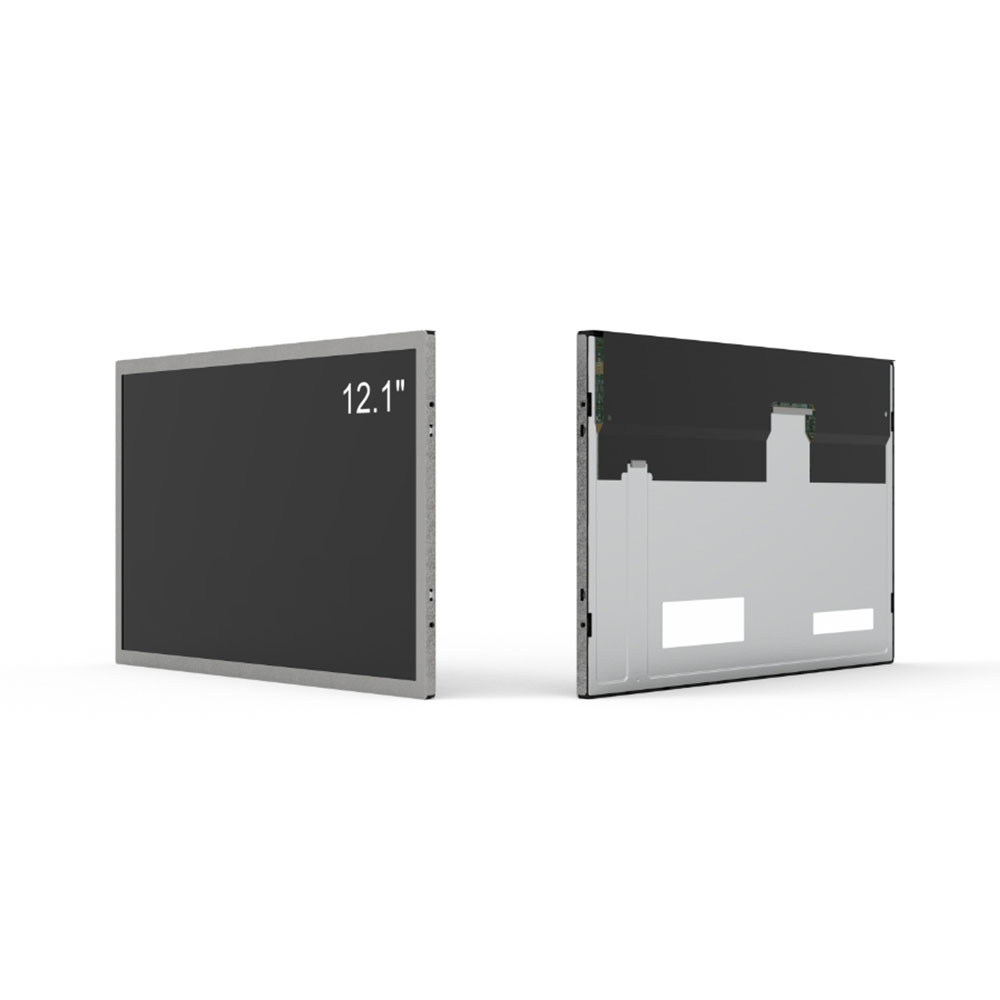
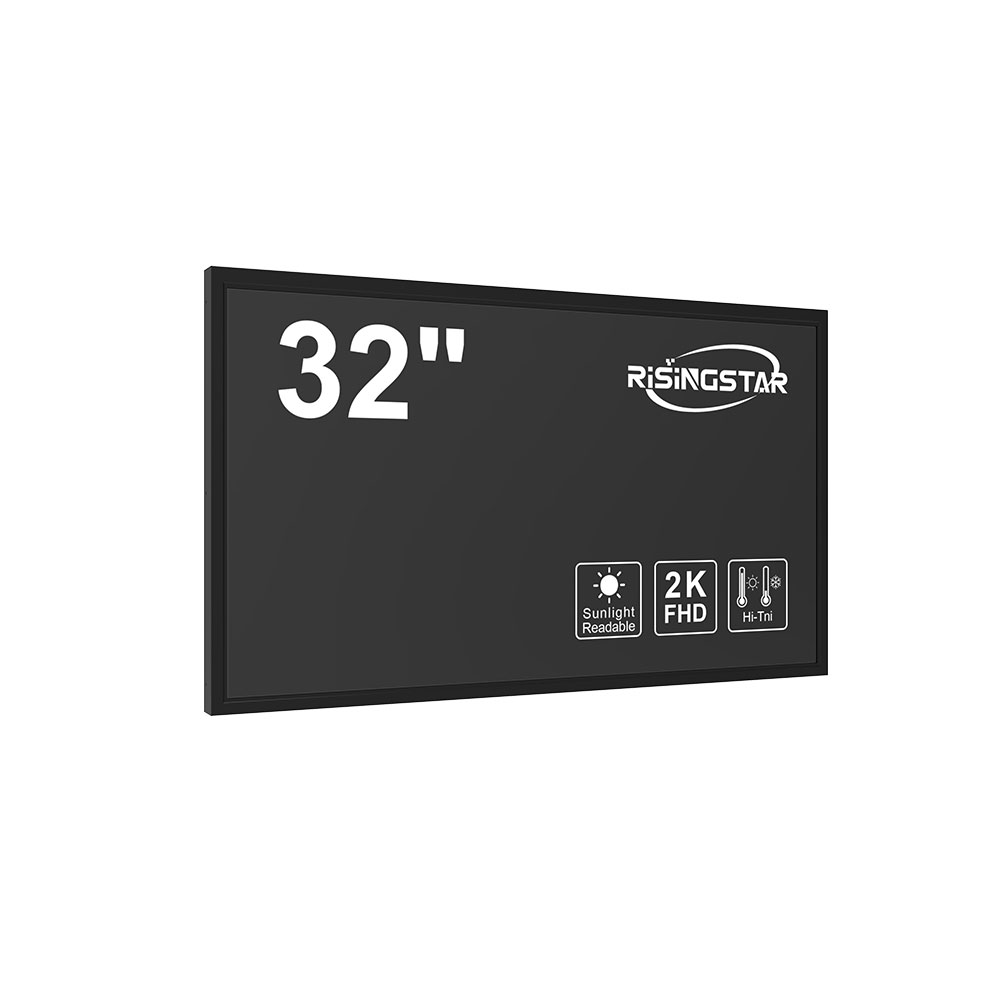
LCD (Liquid Crystal Display) technology remains a cornerstone of modern electronics, powering everything from smartphones and tablets to televisions and automotive dashboards. At its core, an LCD panel uses liquid crystals—molecules that can be manipulated by electric fields—to control the passage of light through each pixel. Unlike OLED displays that emit their own light, LCDs rely on a backlight, typically LED-based, to illuminate the screen. This fundamental difference affects power consumption, contrast ratio, and viewing angles.
The evolution of LCD technology has seen significant improvements in response time, brightness, and color accuracy. For example, IPS (In-Plane Switching) panels offer superior viewing angles and color consistency compared to older TN (Twisted Nematic) panels, making them ideal for professional monitors and high-end consumer devices. VA (Vertical Alignment) panels strike a balance between contrast and response time, often found in mid-range TVs. Meanwhile, mini-LED backlights enhance local dimming capabilities, delivering deeper blacks and brighter highlights—an advancement now widely adopted by brands like Apple, Samsung, and LG.
Environmental durability is another critical factor in LCD manufacturing. According to the IEC 60068-2 standards, industrial-grade LCDs must withstand temperature extremes (-30°C to +70°C), humidity, and mechanical shock. This ensures reliability in harsh environments such as outdoor kiosks or automotive applications. Additionally, energy efficiency has become a major focus; the U.S. Energy Star program certifies LCD panels meeting strict power consumption thresholds, especially important in portable devices like laptops and tablets.
User experience metrics also play a role in evaluating LCD performance. The average response time for modern LCDs ranges from 1ms to 5ms, with gaming monitors pushing toward 0.5ms. Color gamut coverage (e.g., 95% DCI-P3 or 100% sRGB) is increasingly important for content creators and professionals. Consumer reviews from sources like RTINGS.com and DisplayMate consistently highlight the importance of calibration, uniformity, and flicker-free operation—key indicators of quality in both budget and premium models.
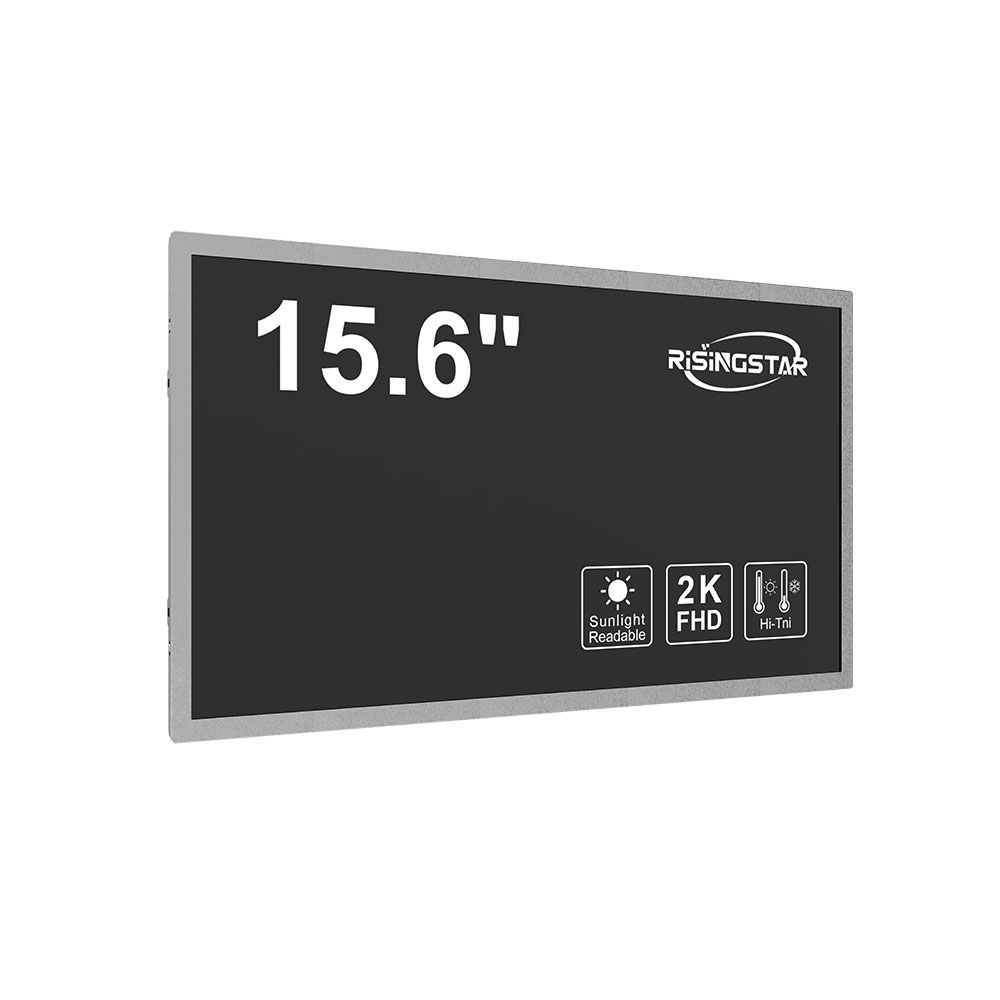
As LCD technology matures, it continues to evolve alongside new materials and production techniques. Companies like AU Optronics, LG Display, and BOE are investing heavily in micro-LED integration and quantum dot enhancements to boost brightness and color accuracy further. With ongoing innovations in manufacturing precision and sustainability, LCDs remain a cost-effective, reliable choice across diverse industries—from medical imaging to industrial automation.