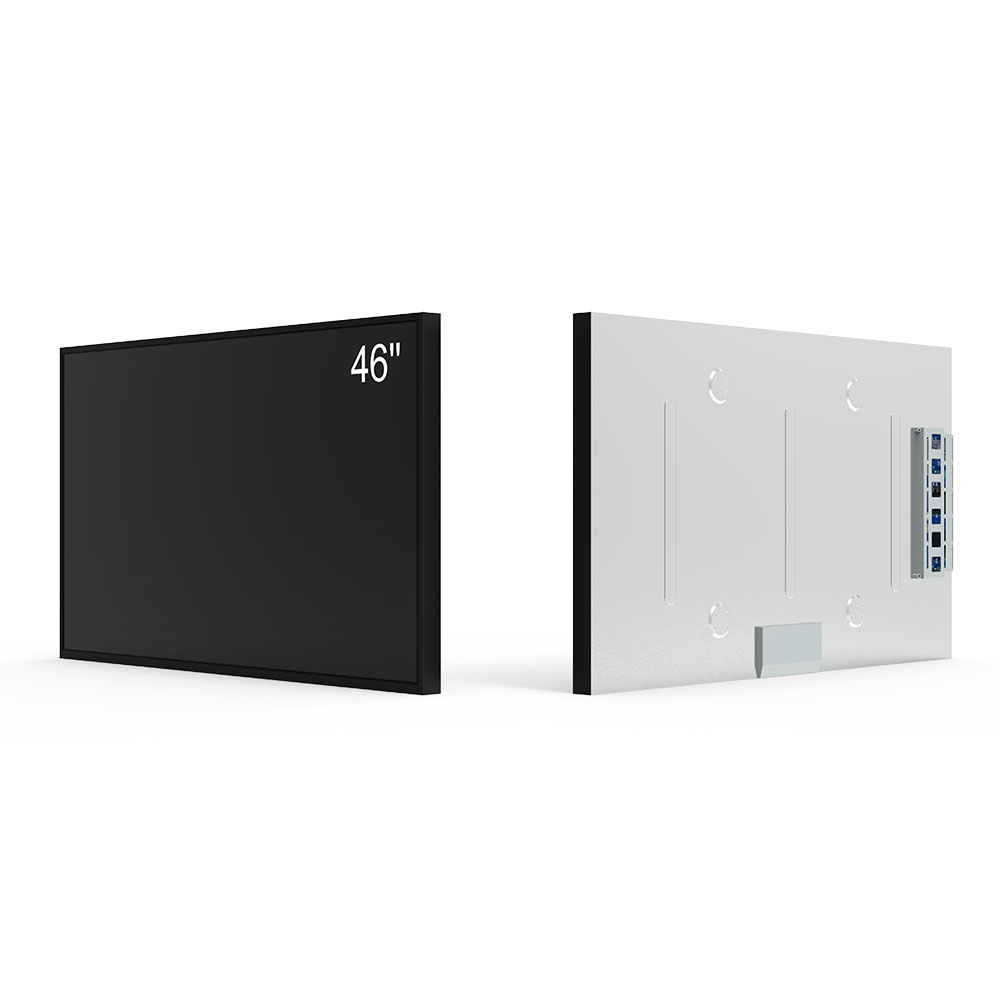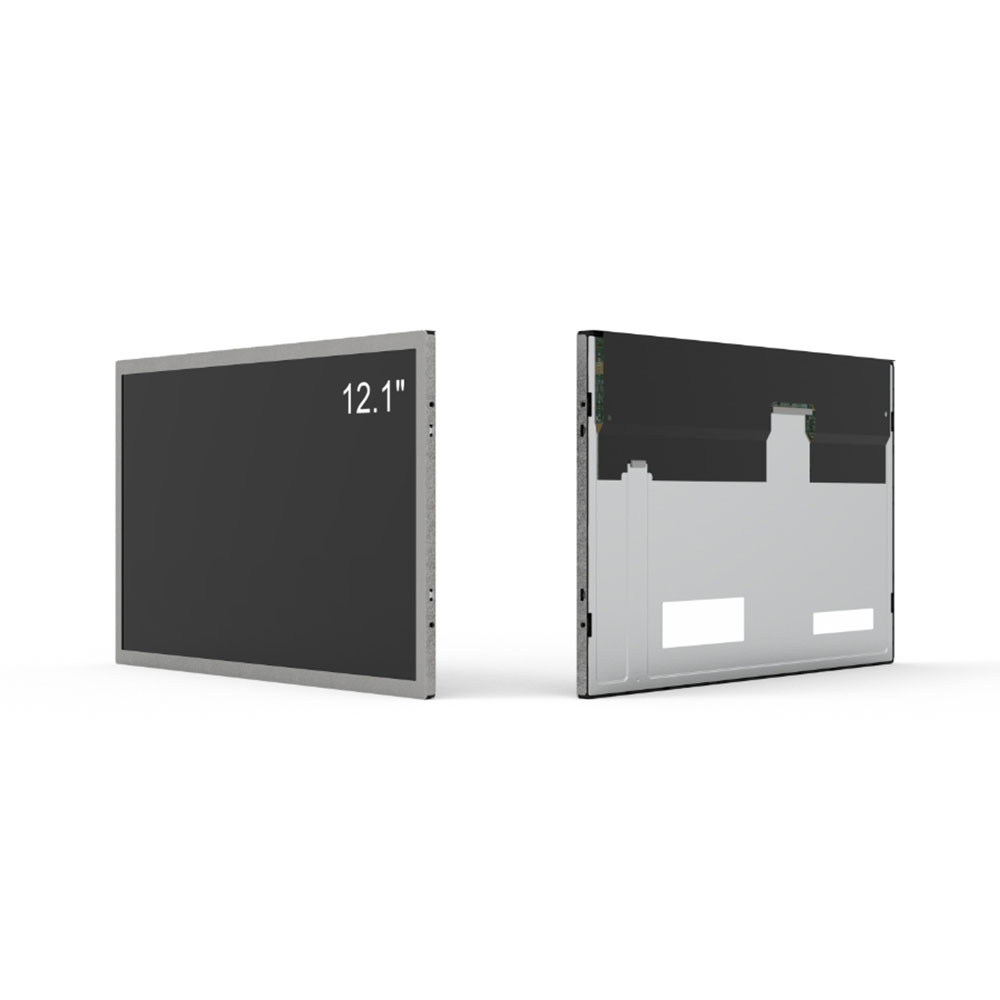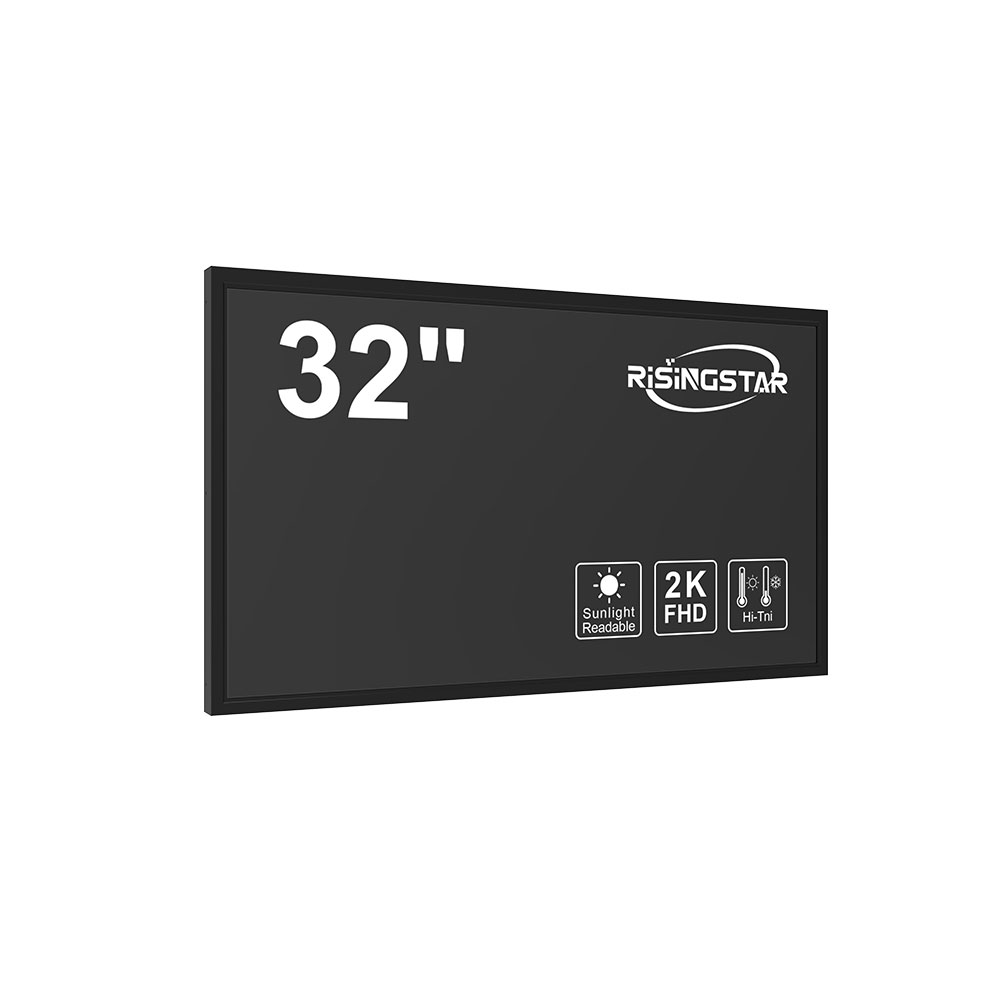
Selecting the appropriate LCD display for industrial applications requires a deep understanding of both technical specifications and real-world operating conditions. Unlike consumer-grade displays, industrial LCDs must endure harsh environments—including extreme temperatures, high humidity, mechanical vibrations, and exposure to dust or chemicals. According to the IPC-610 standard for electronic assemblies, industrial displays must meet rigorous reliability benchmarks such as MIL-STD-810G for environmental resistance and IEC 60068 for climatic testing.
First, consider brightness levels. Industrial settings often involve ambient lighting extremes—either bright sunlight or dim indoor lighting. A display with a minimum brightness of 1000 nits is recommended for outdoor use, while 500 nits may suffice indoors. For example, the LG Philips LP154W2-LX1 and Sharp LQ154V1LW1 are widely used in manufacturing control panels due to their high luminance and wide viewing angles.
Second, evaluate temperature tolerance. Industrial LCDs should operate reliably from -30°C to +70°C without performance degradation. Displays like the Eizo EV2450W, certified under ISO 9001, are tested in thermal chambers to ensure consistent contrast and response times across this range.
Third, durability matters. Anti-glare coatings, hardened glass (such as Gorilla Glass), and IP65-rated enclosures protect against physical damage and environmental contaminants. These features are essential in food processing plants, oil rigs, and automotive assembly lines where safety and uptime are critical.
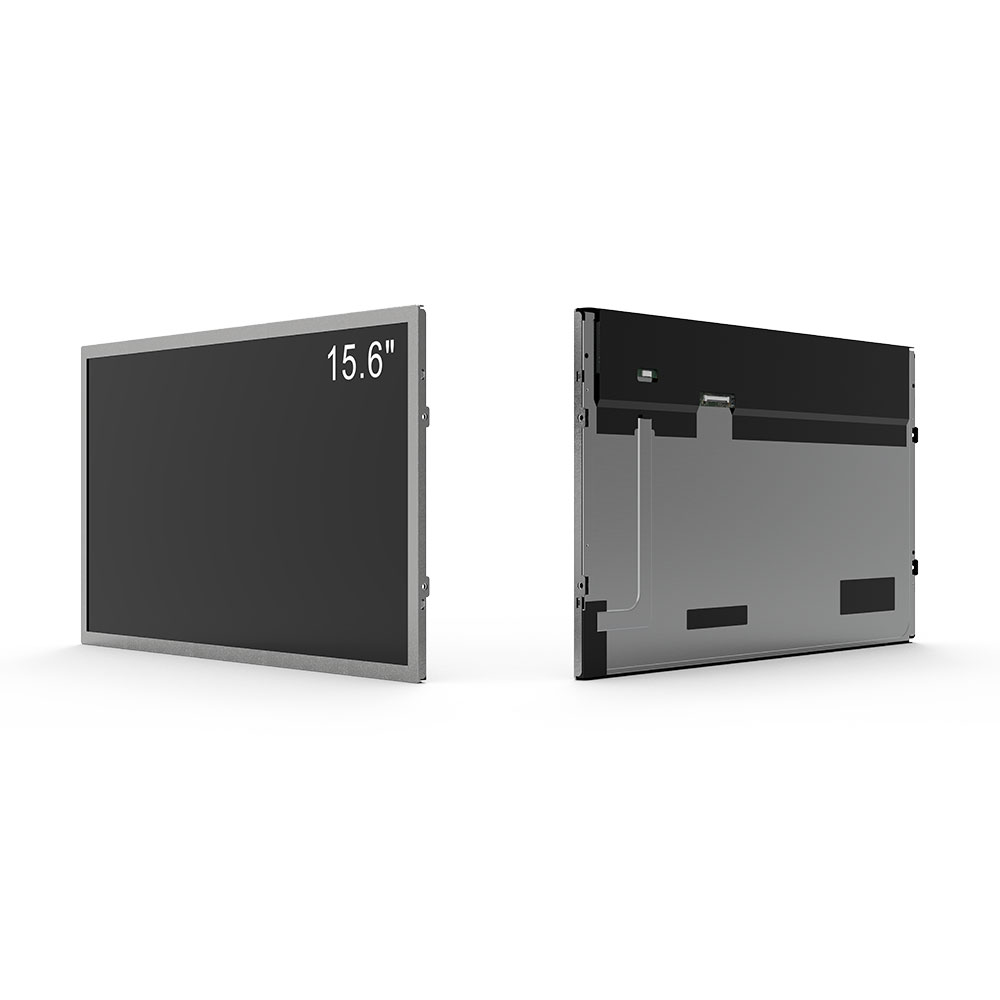
Fourth, power efficiency and longevity are key. Modern industrial LCDs use LED backlighting instead of CCFL, reducing energy consumption by up to 40%. Additionally, using OLED or IPS technology extends lifespan beyond 50,000 hours, which aligns with industry demands for minimal maintenance cycles.
Finally, compatibility with embedded systems is crucial. Ensure the display supports standard interfaces like LVDS, MIPI DSI, or RGB for seamless integration into PLCs, HMI systems, or edge computing devices. Reviews from manufacturers like Samsung, LG, and BOE consistently highlight the importance of robust firmware support and long-term supply stability.
By following these criteria—brightness, temperature resilience, physical durability, energy efficiency, and interface compatibility—engineers and procurement teams can select an industrial LCD that delivers both performance and cost-effectiveness over its lifecycle.