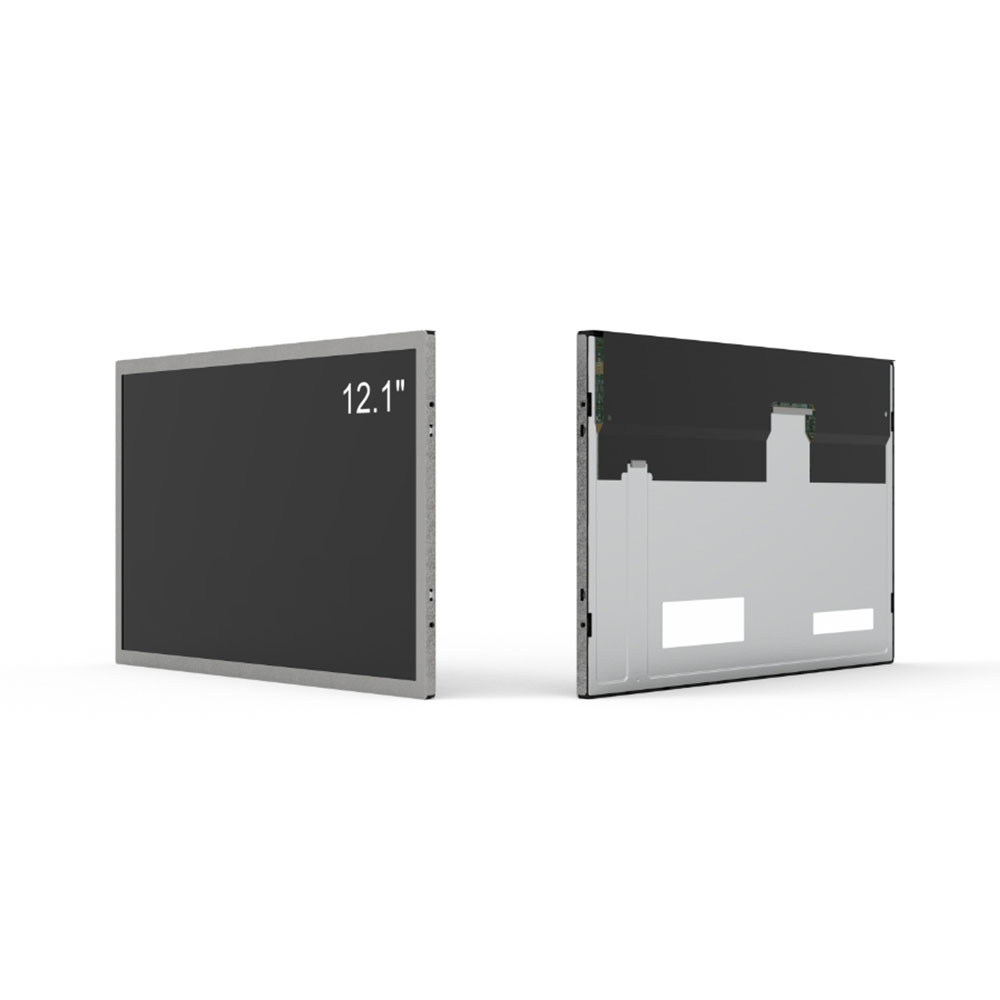
In today’s industrial and outdoor environments, durability and reliability are critical—especially when it comes to display technology. IP66-rated waterproof LCD displays have emerged as the preferred solution for harsh conditions where moisture, dust, and vibration are constant challenges. The IP66 rating, defined by the International Protection (IP) Code, signifies that a device is fully protected against dust ingress (6) and can withstand powerful water jets from any direction (6). This makes IP66 LCDs ideal for applications such as factory automation, transportation systems, medical equipment, and outdoor kiosks.
These displays are engineered with sealed enclosures, reinforced glass or polycarbonate covers, and advanced sealing techniques like O-rings and gasketing. They maintain performance in extreme temperatures ranging from -20°C to 70°C, making them suitable for both arctic and desert climates. Leading manufacturers such as LG Display, Sharp, and AU Optronics now offer IP66-certified models designed for continuous operation in demanding settings. For example, the LG LP156WX4-TPB1 panel supports high-brightness LED backlights up to 3000 nits, ensuring visibility even under direct sunlight—a key feature for outdoor use.
From a design perspective, IP66 LCDs often integrate ruggedized touch panels, either resistive or capacitive, allowing user interaction without compromising protection. Many also support wide viewing angles (up to 178°), which is essential in multi-user or public-facing scenarios. In addition, these displays frequently comply with MIL-STD-810G for shock and vibration resistance, further enhancing their suitability for mobile or industrial platforms like drones, construction machinery, and military vehicles.
Customer feedback from industries such as food processing and marine operations highlights the long-term cost savings of using IP66 displays. One major food packaging manufacturer reported a 60% reduction in maintenance costs after switching to IP66-rated units due to fewer failures caused by steam and condensation. Similarly, offshore drilling platforms now rely on IP66 LCDs for control systems, eliminating downtime from saltwater exposure.
With growing demand for smart infrastructure and IoT-enabled devices, IP66 waterproof LCDs are no longer niche—they are becoming standard across sectors that prioritize uptime, safety, and performance in unpredictable environments. As global standards evolve toward greater environmental resilience, investing in IP66-rated displays ensures future-proofing for next-generation industrial solutions.