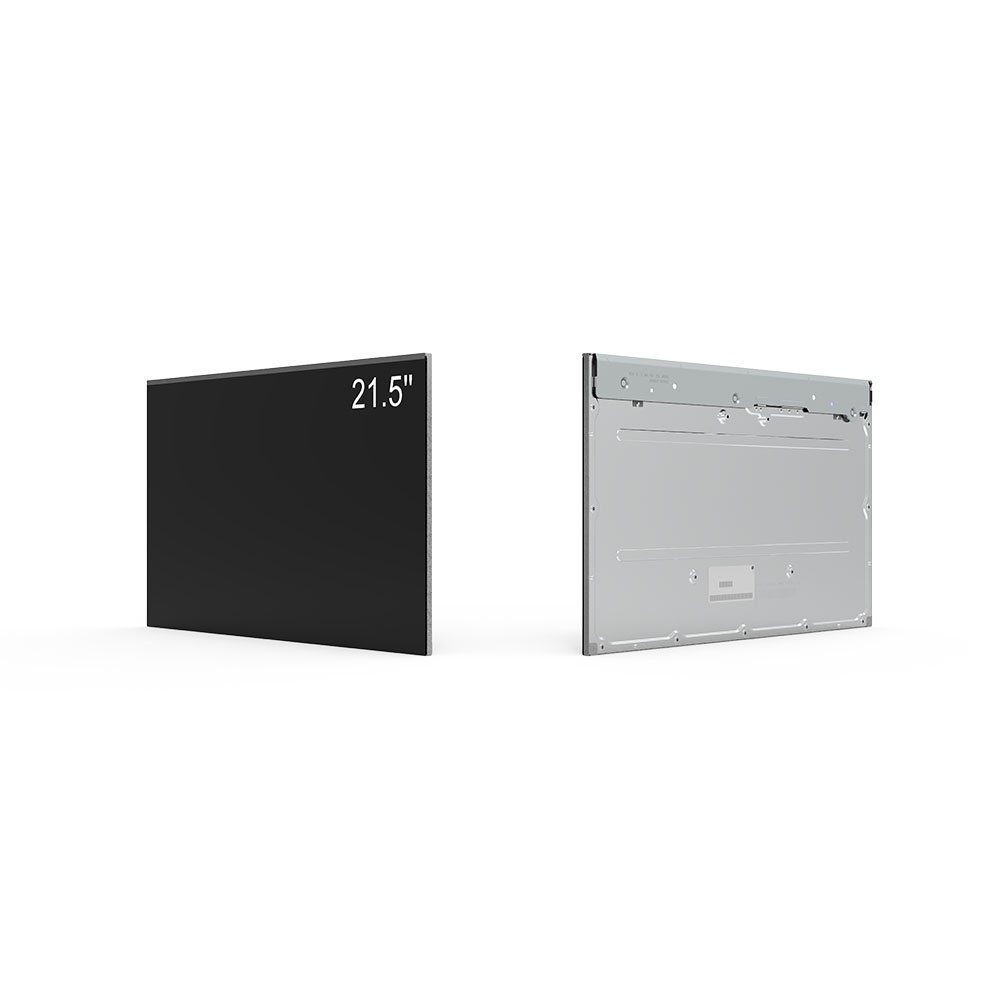
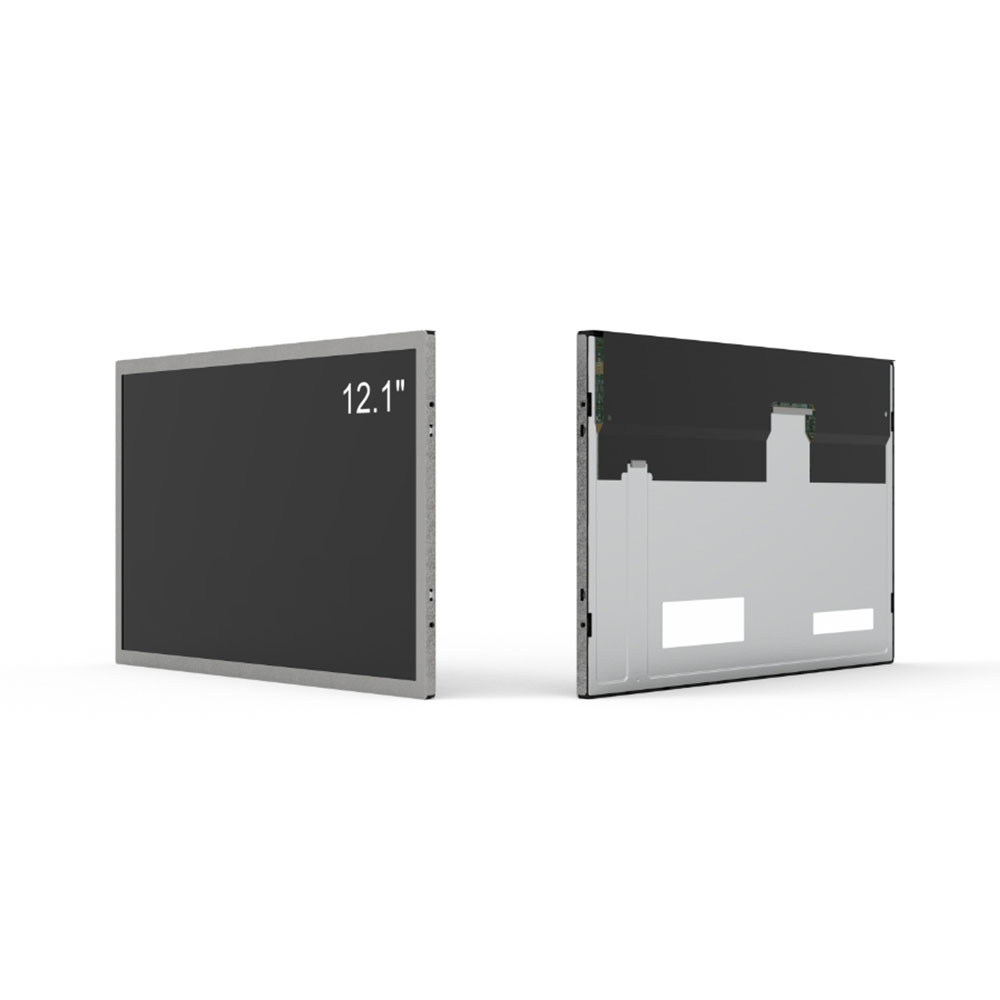
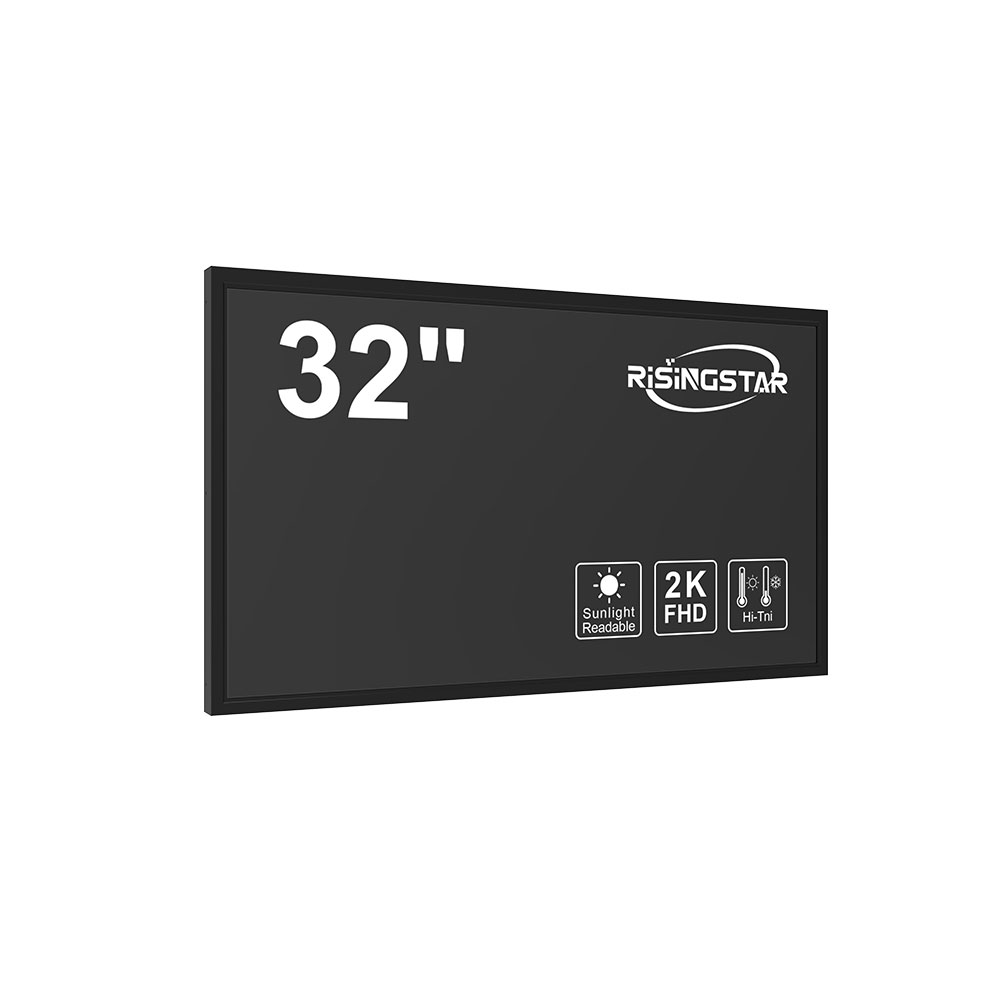
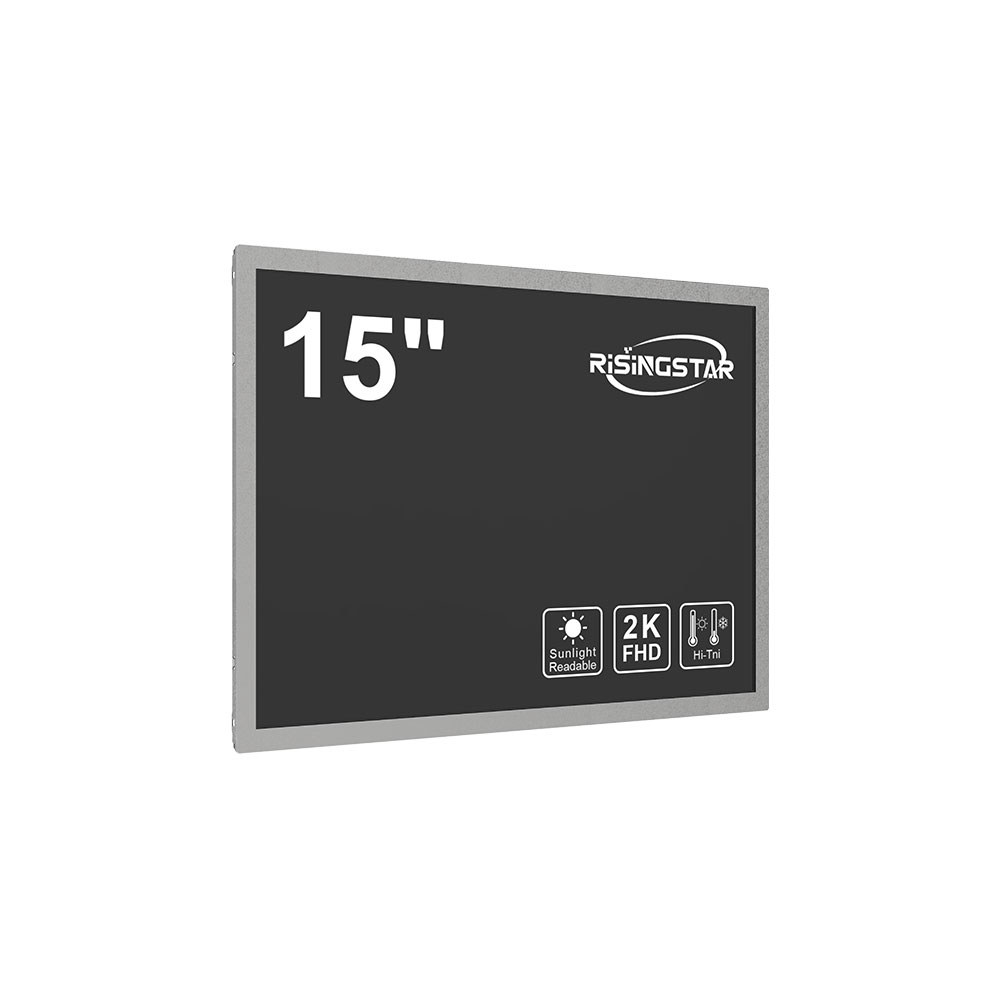
When selecting an LCD panel for your display application, it's essential to consider several critical factors that directly impact performance, longevity, and cost-effectiveness. Whether you're designing industrial equipment, medical devices, automotive interfaces, or consumer electronics, the choice of LCD panel can significantly influence user experience and system reliability.
First, evaluate the display type—TN (Twisted Nematic), IPS (In-Plane Switching), VA (Vertical Alignment), or OLED. Each offers distinct advantages: TN panels provide fast response times ideal for gaming, while IPS delivers superior color accuracy and wide viewing angles suitable for professional monitors. VA panels offer high contrast ratios, making them excellent for media consumption, whereas OLEDs provide infinite contrast and flexible form factors but at a higher cost.
Next, assess resolution and pixel density. For high-definition applications like medical imaging or digital signage, 4K or higher resolutions with at least 150 PPI (pixels per inch) are recommended. In contrast, lower-resolution panels (e.g., 800x480) may suffice for basic control panels or industrial instrumentation.
Environmental conditions matter too. If your product will operate in extreme temperatures—from -30°C to +70°C—opt for ruggedized panels with wide operating temperature ranges and anti-condensation coatings. Industrial-grade panels from brands like LG Display, BOE, or Sharp often meet IP65 or higher ingress protection standards for dust and water resistance.
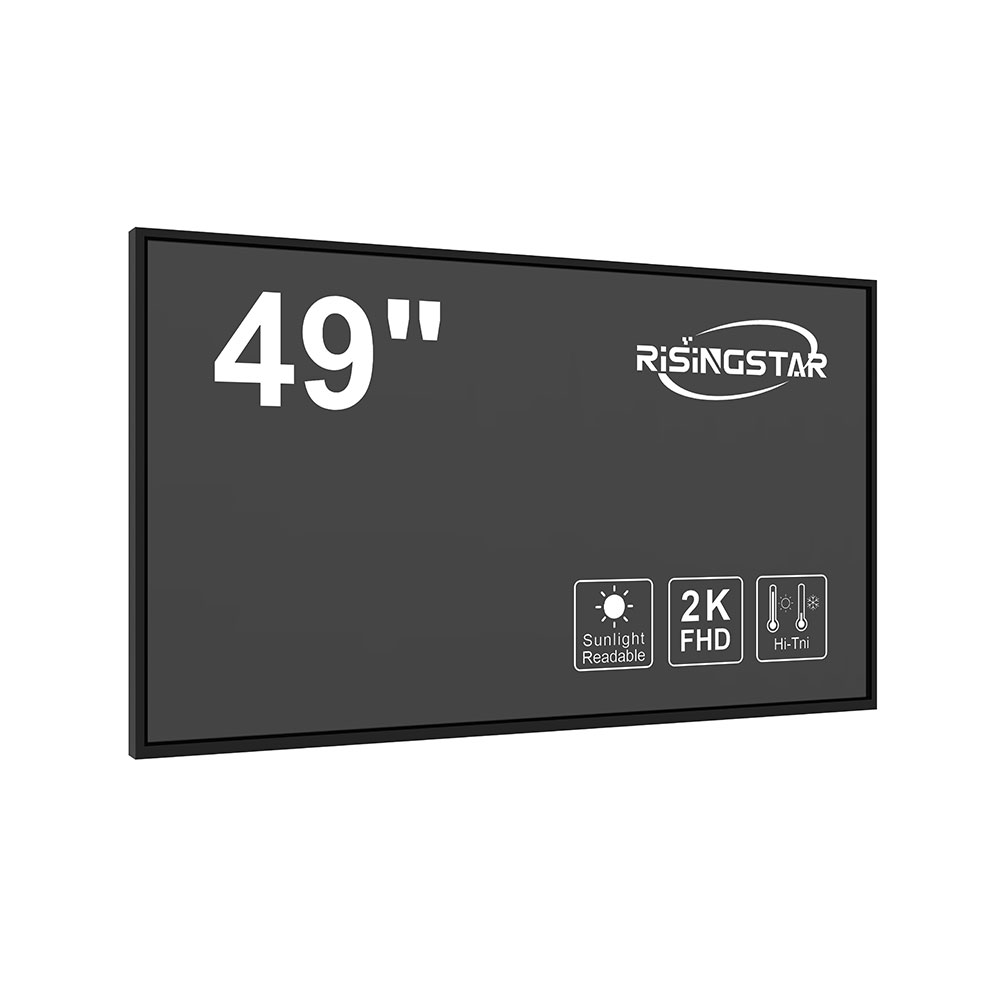
Backlight technology also affects power efficiency and brightness. LED-backlit panels dominate today’s market due to their energy efficiency and uniform lighting. For outdoor use, consider high-brightness panels (>3000 nits) with sunlight-readable features.
Lastly, ensure compatibility with your system’s interface—LVDS, MIPI DSI, or RGB parallel—and verify the availability of driver ICs and firmware support. Partnering with reputable suppliers like AU Optronics or Samsung Display ensures long-term availability and technical support.
Industry data from MarketsandMarkets and IHS Markit shows that demand for high-performance LCDs in automotive and healthcare sectors is growing at over 8% CAGR. This trend underscores the need for engineers to prioritize quality, durability, and adaptability when selecting panels. By aligning specifications with real-world usage scenarios, companies can reduce failures, enhance usability, and future-proof their products.